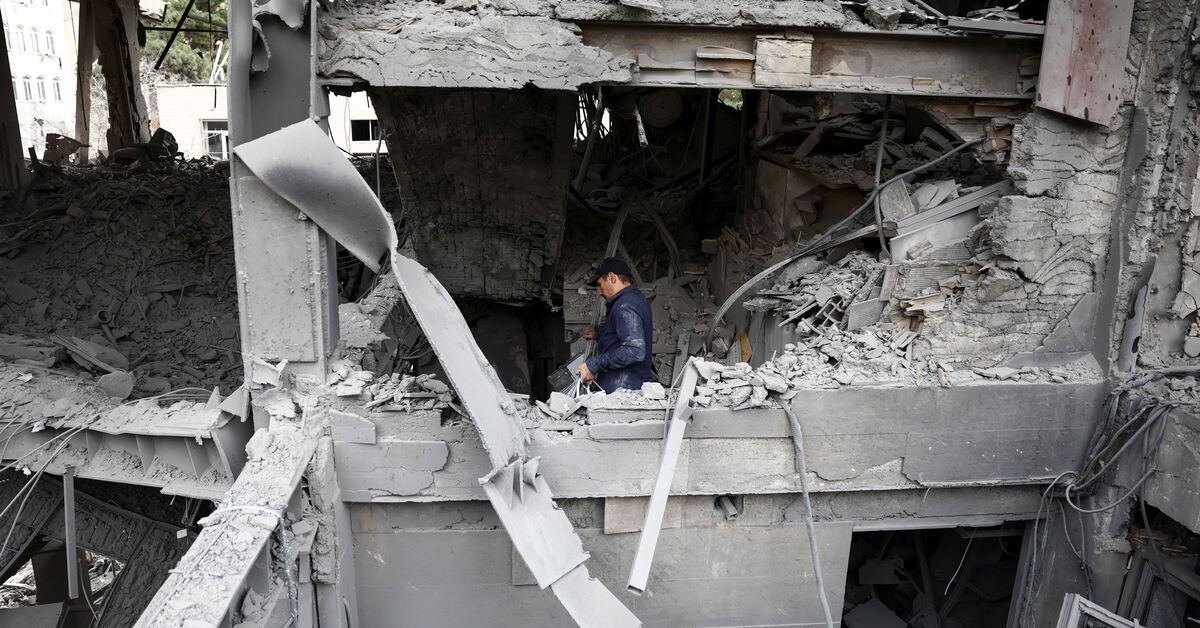
Jules Hurst, the financial officer at the U.S. Department of Defense, disclosed that the costs of the American war in Iran have now reached $29 billion. This increase, estimated at $4 billion, reflects the ongoing challenges faced by U.S. forces in the region.
The costs include expenses for repairing and replacing equipment, as well as operational costs associated with military operations, which adds pressure to the U.S. defense budget.
Detailed Breakdown of Costs
The costs encompass various expenses, including maintenance and repair of military equipment, which are essential for continuing operations in complex environments like Iran. These figures come at a sensitive time for U.S. foreign policy, as the United States continues to bolster its military presence in the Middle East.
These numbers raise questions about the American strategy in the region, especially amid escalating tensions with Iran.
Background & Context
Historically, relations between the United States and Iran have been strained since the Iranian Revolution in 1979. The region has witnessed numerous military conflicts leading to multiple U.S. interventions, making Iran a central focus in American strategy in the Middle East.
The ongoing military presence and the associated costs highlight the complexities of U.S. foreign policy and its implications for regional stability.
Impact & Consequences
The rising costs of the war in Iran indicate the challenges the United States faces in achieving its strategic objectives. These figures could influence internal political discussions regarding the defense budget and may compel the U.S. to provide greater support to countries feeling threatened by Iran.
Furthermore, the financial burden could lead to shifts in U.S. foreign policy, especially concerning alliances in the region.
Regional Significance
The financial implications of the U.S. military operations in Iran are significant not only for American policymakers but also for regional allies. Countries in the Middle East are closely monitoring the situation, as increased U.S. military spending may affect their security dynamics.
In conclusion, the financial burdens borne by the U.S. government due to military operations underscore the impact on foreign policy and the broader geopolitical landscape.