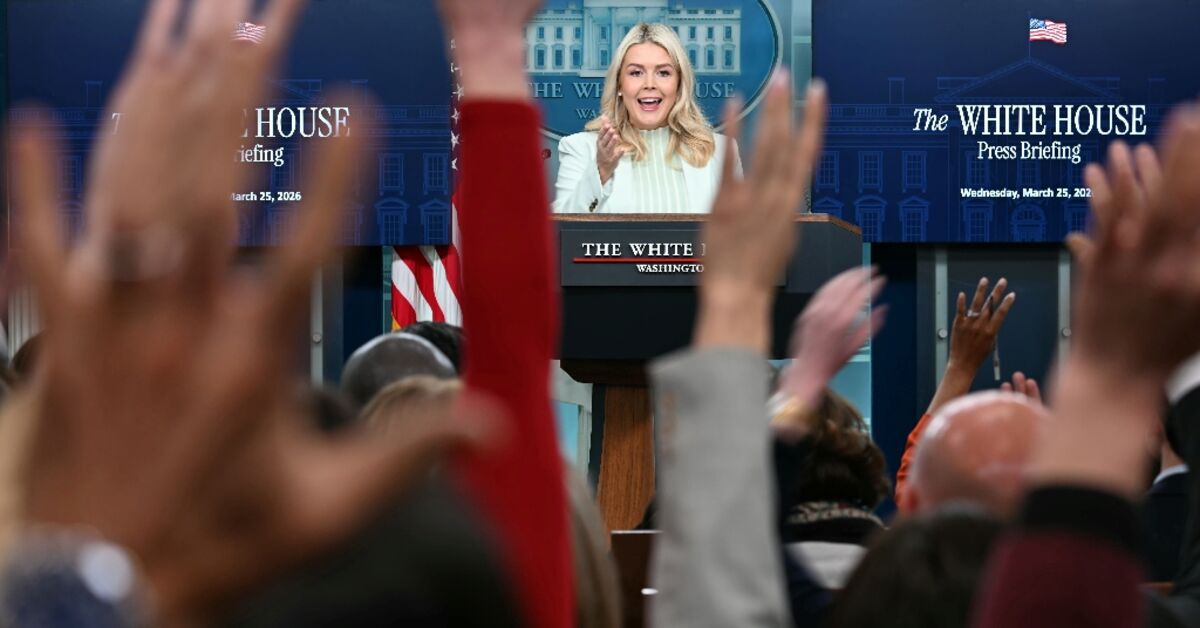
In a new development on the political scene, the U.S. administration confirmed on Wednesday the continuation of talks with Iran, despite reports indicating Tehran's rejection of an American proposal aimed at ending the ongoing conflict. White House spokesperson Caroline Levitt warned that U.S. President Donald Trump is prepared to 'unleash hell' if an agreement is not reached.
Iranian media reported that an unspecified official in the Iranian government indicated that the Islamic Republic responded 'negatively' to the American proposal, as the war in the Middle East approaches its fourth week.
Details of the Situation
These statements come at a sensitive time, as tensions in the region escalate, raising concerns about the consequences of the ongoing conflict. Levitt confirmed that negotiations have not reached an impasse, suggesting that there are ongoing attempts to reach a compromise.
On the other hand, Iran's rejection of the American proposal reflects a steadfast position from Tehran, as it seeks to maintain its sovereignty and strategic interests in the region. This rejection may complicate matters further, especially given the current circumstances in the region.
Background & Context
Historically, U.S.-Iranian relations have seen increasing tensions since the Islamic Revolution in 1979, which led to the severing of diplomatic ties between the two countries. Since then, there have been several attempts at negotiations, but these often fail due to differing interests and visions.
In recent years, the intensity of the conflict in the region has escalated, especially following the U.S. withdrawal from the Iranian nuclear deal in 2018, which resulted in the imposition of severe economic sanctions on Tehran. These sanctions have significantly impacted the Iranian economy, prompting the government to seek diplomatic solutions.
Impact & Consequences
If no agreement is reached, U.S. threats could lead to military escalation in the region, increasing instability. These developments could affect oil prices and global financial markets, as the Middle East is a vital center for oil production.
Additionally, these conditions may lead to heightened tensions between Iran and its allies in the region, negatively impacting regional security. Any military escalation could also have severe humanitarian consequences for civilians in the affected areas.
Regional Significance
Neighboring Arab countries such as Iraq, Syria, and Lebanon are among the most affected by the current developments. Any escalation in the conflict could have direct repercussions on security and stability in these countries, exacerbating civilian suffering.
Moreover, Arab countries striving for stability in the region may find themselves compelled to deal with the fallout from the conflict, either through humanitarian assistance or by engaging in diplomatic efforts to resolve the dispute.
The situation in the Middle East remains complex, with international and regional interests intertwined. The continuation of talks between the United States and Iran may be the only hope to avoid a larger escalation, but challenges remain.