US Secretary of State Marco Rubio has warned that the Iranian leadership may be moving towards establishing a toll system for crossing the Strait of Hormuz, which could spark new tensions in the region. This warning came during a press conference following the meeting of G7 foreign ministers in Paris, where Rubio emphasized that such a move would be "illegal."
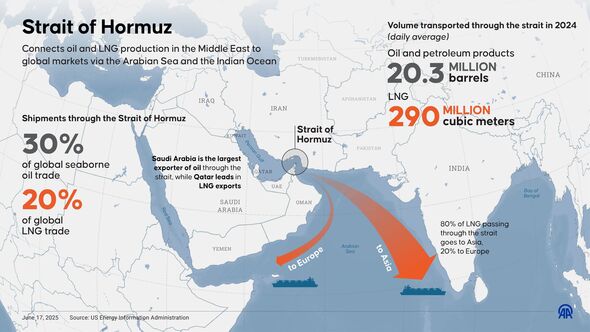
The Strait of Hormuz is one of the most critical waterways in the world, through which approximately 20% of the world's total oil passes. Any attempt by Iran to impose tolls on passing ships could escalate tensions in the region and negatively impact global oil prices.
Details of the Warning
During his statements, Rubio pointed out that any action of this nature would constitute a violation of international laws, potentially prompting reactions from the international community. He added that the United States would work with its allies to ensure freedom of navigation in this vital corridor.
These remarks come at a time when relations between Iran and the United States are increasingly strained, especially following Washington's withdrawal from the Iranian nuclear deal in 2018. This has led to an escalation of Iranian military activities in the region, including threats to close the Strait of Hormuz if its interests are threatened.
Background & Context
The Strait of Hormuz is a vital transit point for oil and is considered a lifeline for global economies. In recent years, the strait has witnessed several incidents, including attacks on oil tankers, raising international concerns about navigation security.
Historically, there have been previous attempts by Iran to pressure Western nations through threats to close the strait, which led to military interventions by the United States and its allies. This dynamic reflects the ongoing tensions in the Persian Gulf, which is a center for geopolitical conflicts.
Impact & Consequences
If Iran were to impose tolls on the crossing of the Strait of Hormuz, it could lead to heightened tensions between Tehran and Washington, along with negative effects on global oil prices. Major powers may resort to military or diplomatic actions to prevent Iran from implementing such a step.
Moreover, imposing tolls on the strait could encourage other countries to take similar stances, potentially leading to chaos in maritime navigation and increasing shipping costs, which would affect the global economy as a whole.
Regional Significance
Neighboring Arab countries, such as Saudi Arabia and the United Arab Emirates, are among those most affected by such developments. Any escalation in the Strait of Hormuz could impact oil exports from these countries, leading to serious economic repercussions.
These conditions may also enhance military cooperation between Arab nations and the United States in an effort to ensure navigation security in the region. At the same time, these tensions could increase divisions between Arab states and Iran, exacerbating existing political crises.
In conclusion, the situation in the Strait of Hormuz remains under scrutiny, as any moves by Iran could lead to drastic changes in the geopolitical landscape of the region, necessitating a firm stance from the international community to protect its interests.