The United States issued a warning to Oman on Thursday against direct or indirect involvement in any attempts to impose fees in the Strait of Hormuz, stressing that it would penalize any partners participating in this system. US Treasury Secretary Scott Bissent stated in a post on the platform "X" that the US government would not tolerate any efforts to establish a fee system in this vital waterway.
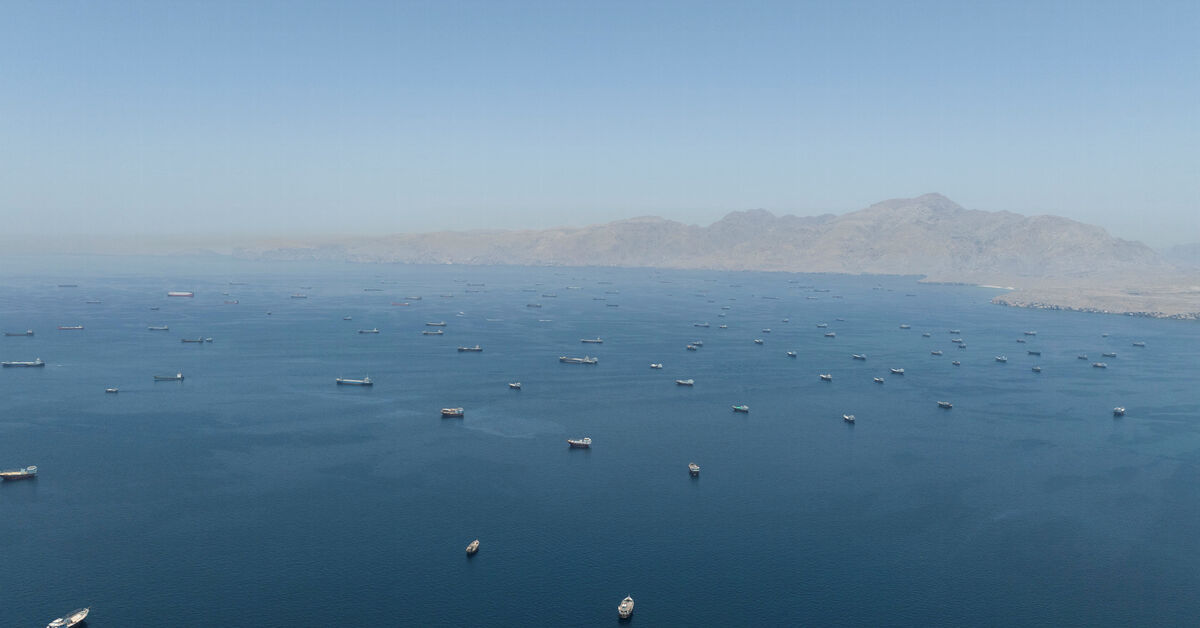
The Strait of Hormuz is a strategic transit point, through which approximately 20% of the world's total oil passes. This corridor holds particular significance for oil-producing countries, including the Gulf states, which heavily rely on exporting their oil through this strait.
Details of the Warning
This American warning comes at a sensitive time, as tensions in the region have escalated due to geopolitical disputes. Bissent indicated that any attempt to impose fees on vessels transiting the strait would lead to severe consequences, not only for Oman but for all countries that might participate in this system.
The United States is one of the largest consumers of oil in the world and has strategic interests in maintaining freedom of navigation in the Strait of Hormuz. Washington has expressed its readiness to take strict measures against any country seeking to impose fees on this corridor.
Background & Context
Historically, the Strait of Hormuz has witnessed numerous crises and tensions, particularly during periods of conflict between Iran and Western nations. Previous attempts to impose fees or restrictions on navigation have provoked strong reactions from the United States and its allies.
In recent years, concerns have grown over the escalation of tensions in the region, especially with the increase in Iranian military activities in the Gulf. These tensions have impacted global oil prices, making it essential to maintain stability in navigation through the strait.
Impact & Consequences
If fees were imposed in the Strait of Hormuz, it would lead to increased shipping costs, negatively affecting global oil prices. Such a move could also escalate tensions between the involved countries, further increasing instability in the region.
The United States views any attempt to impose fees in the strait as a threat to national security, as freedom of navigation in this vital corridor is a strategic priority for American policy in the Middle East.
Regional Significance
This American warning serves as a clear message to Arab countries, particularly those that rely on exporting oil through the Strait of Hormuz. Imposing fees on navigation could directly impact Arab economies, necessitating greater coordination among Gulf states to protect their interests.
This warning also reflects the importance of cooperation between Arab nations and the United States in addressing security and economic challenges in the region, as stability in the Strait of Hormuz is a fundamental factor in achieving regional security.