The U.S. State Department has warned that Hamas's failure to disarm as stipulated in President Donald Trump's ceasefire plan for Gaza will face tough consequences. The department emphasized that the U.S. administration continues to work towards achieving all the objectives of the agreement, including enhancing stability in Gaza.
In exclusive statements to the Middle East, the U.S. State Department clarified that Hamas agreed to Trump's plan, which includes twenty clauses, with disarmament as a prerequisite for any reconstruction efforts. The plan also includes clear mechanisms to impose tough consequences for any non-compliance.
Details of the Situation
These statements coincided with the proposal of the Peace Council for a disarmament plan for the movement, at a time when the agreement has been stagnant since the outbreak of the war on February 28. The U.S. State Department noted that President Trump had stated that achieving this goal could be done the easy way or the hard way, stressing that the easy way is always preferable.
In a related context, the Special Representative for Gaza at the Peace Council, Nikolai Mladenov, stated during a speech before the UN Security Council that a comprehensive framework for disarmament and reintegration of armed groups has been established in cooperation with the guarantors of the ceasefire agreement, which are the United States, Egypt, Turkey, and Qatar. This framework is based on five main principles, including reciprocity, where disarmament will occur in parallel with Israeli withdrawal.
Background & Context
The roots of the conflict in Gaza date back decades of political and military tensions between Hamas and Israel. Trump proposed his peace plan last September, before reinforcing a ceasefire agreement the following month. However, no tangible progress has been made in implementing these plans, leading to a new escalation in the conflict.
Trump's plan includes disarming Hamas as a fundamental condition for reconstruction, which many consider a sensitive step in the context of the Israeli-Palestinian conflict. This approach reflects both international and local pressures on the movement, which faces significant challenges in managing the humanitarian and economic situations in Gaza.
Impact & Consequences
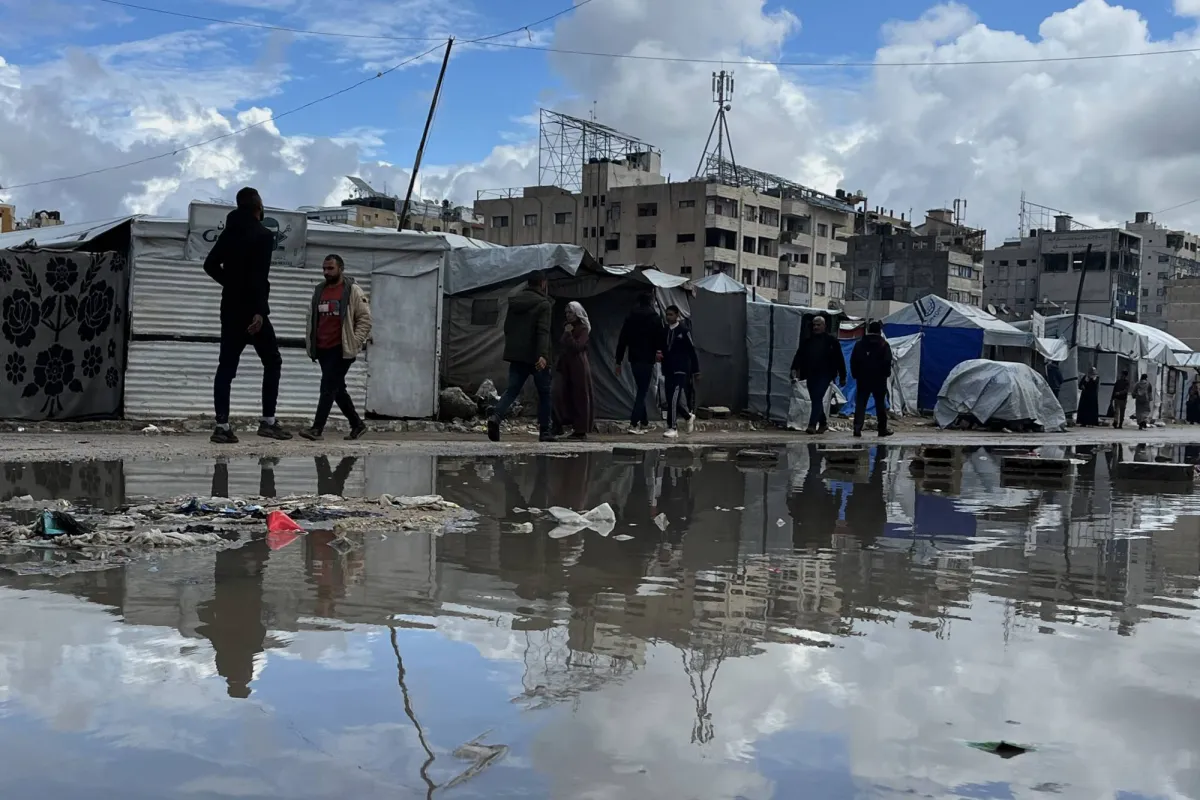
U.S. warnings indicate that Hamas's failure to disarm could lead to a new military escalation in the region, potentially exacerbating the humanitarian situation in Gaza. Additionally, the failure of the agreement could negatively impact reconstruction efforts, which are essential for improving living conditions for the population in the enclave.
On the other hand, this situation could increase tensions among various Palestinian factions, threatening Palestinian national unity at a time when it needs to unite to face common challenges.
Regional Significance
This development is part of the larger picture of the conflict in the Middle East, where regional and international interests intersect. Instability in Gaza could affect neighboring countries, such as Egypt and Jordan, and increase the flow of refugees to these nations.
Moreover, potential military escalation could lead to new international interventions, complicating peace efforts in the region. Under these circumstances, hope remains pinned on international diplomacy to achieve lasting stability in Gaza.