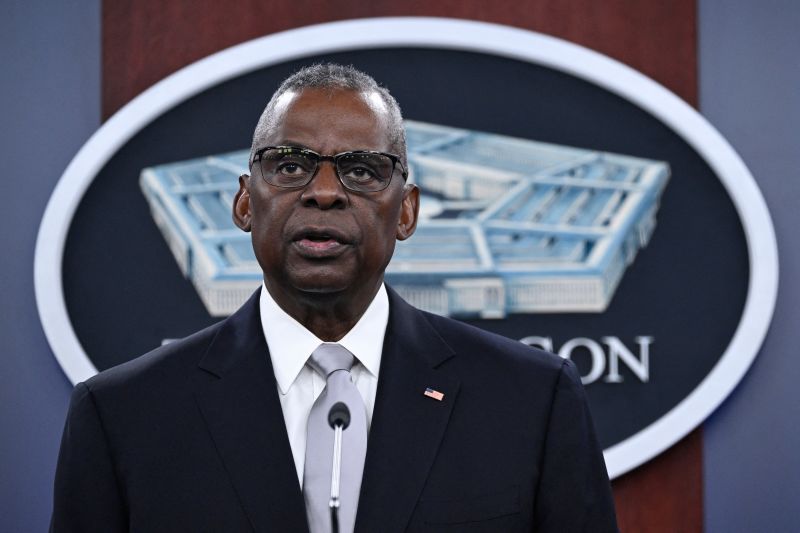
U.S. Defense Secretary Pete Hegseth announced that the upcoming days will be crucial in determining the course of the ongoing conflict between the United States and Iran. This statement comes amid rising tensions in the region, where fears of a potential military escalation could impact the stability of the Middle East.
In a press conference, Hegseth emphasized that the United States is committed to protecting its interests and those of its allies in the region, stating that any escalation from Iran will be met with a strong response. He added that the coming days will determine how events unfold, reflecting a growing concern regarding Tehran's intentions in the region.
Details of the Event
Hegseth's remarks come at a sensitive time, as tensions between the United States and Iran escalate over several issues, including the Iranian nuclear program and Tehran's support for armed groups in Iraq and Syria. Recently, there has been a series of attacks on American facilities in the region, intensifying the strain between the two sides.
Moreover, there are noticeable U.S. military movements in the area, with military reinforcements sent to American bases in the Gulf, reflecting Washington's readiness to confront any potential threats from Iran. This comes at a time when the U.S. President is facing both domestic and international pressures to take a firm stance against Tehran.
Background & Context
Historically, U.S.-Iran relations have seen increasing tensions since the Islamic Revolution in 1979. Since then, the United States has imposed strict economic sanctions on Iran, significantly impacting its economy. The Iranian nuclear program has been a major point of contention between the two sides, as Washington seeks to prevent Tehran from developing nuclear weapons.
In recent years, the region has witnessed an escalation in military activities, with Iran supporting armed groups in Iraq and Syria, raising American and Israeli concerns about Tehran's influence. These activities have led to strong reactions from the United States, including airstrikes against Iranian positions.
Impact & Consequences
If tensions between the United States and Iran escalate, it could lead to serious repercussions for regional and international security. Any military confrontation is likely to affect oil prices and financial markets, potentially destabilizing the economies of many countries.
Furthermore, any military escalation could exacerbate humanitarian conditions in the region, where many countries are already suffering from ongoing conflicts. There are also fears that confrontation could lead to a broader escalation involving other countries in the region, complicating the security situation further.
Regional Significance
The Arab countries neighboring Iran, such as Iraq, Syria, and Lebanon, are among the most affected by the rising tensions between the United States and Iran. These countries are already grappling with internal conflicts, and any escalation could worsen humanitarian conditions.
Additionally, the Gulf Arab states, which share maritime borders with Iran, are closely monitoring the situation, fearing potential threats to their security. Therefore, any escalation in the conflict could impact stability across the entire region, necessitating urgent diplomatic moves to avoid further escalation.
In conclusion, the situation in the Middle East remains complex and fraught with challenges, as concerned nations await developments in the coming days. The U.S. statements indicate that the next phase will be critical in determining the course of the conflict with Iran, calling for vigilance and caution from all parties involved.