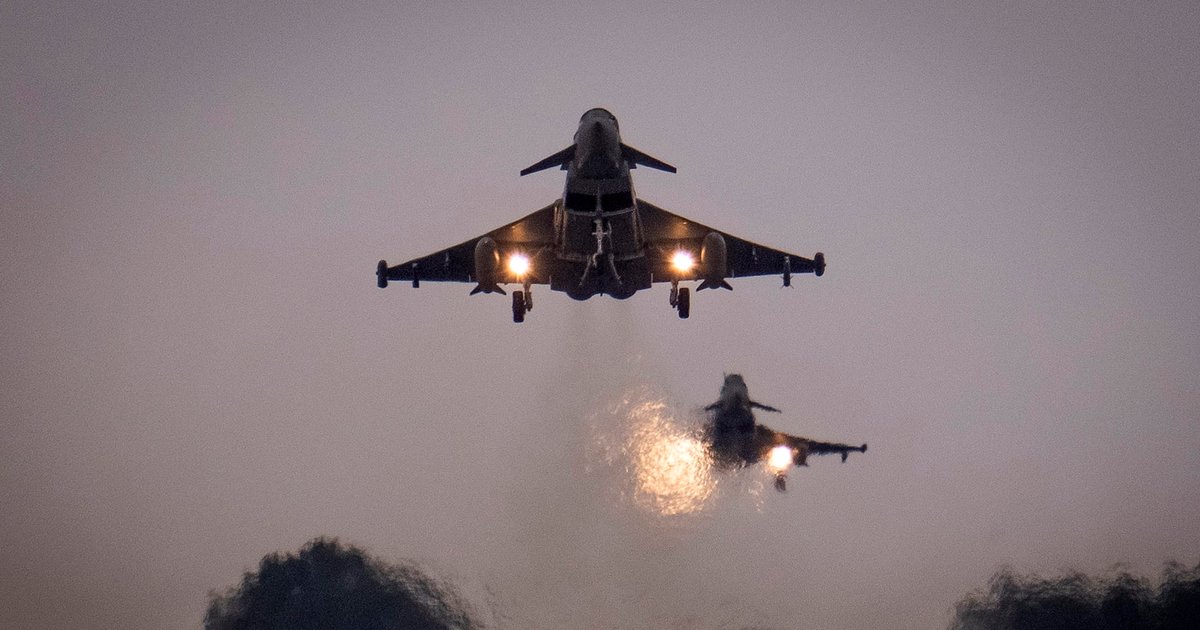
In a new escalation of tensions in the Gulf region, U.S. warships intercepted missiles and drones targeting American naval vessels in the Strait of Hormuz. This incident occurs at a sensitive time, as fears of renewed conflict in the area are increasing, especially after authorities in the United Arab Emirates accused Iran of being behind a drone attack.
These developments serve as a reminder of the ongoing threats facing navigation in the Strait of Hormuz, one of the world's most critical waterways, through which approximately 20% of the world's oil passes. The recent attacks raise concerns about regional stability and the security of global energy supplies.
Details of the Incident
According to sources, the U.S. warships were guiding commercial vessels through the Strait of Hormuz when they were targeted. The American forces managed to repel the attacks and intercept the drones and missiles before they reached their targets. This incident comes at a time when tensions between the United States and Iran are escalating, with both countries exchanging accusations regarding military activities in the region.
For its part, the United Arab Emirates confirmed that it would take all necessary measures to protect its security and territorial integrity, noting that the recent attacks represent a direct threat to regional security. The UAE also called on the international community to take a firm stance against these hostile actions.
Background & Context
Historically, the Gulf region has witnessed numerous conflicts and disputes, with Iran always being a key player in these dynamics. Since the United States withdrew from the Iranian nuclear deal in 2018, tensions have significantly escalated, leading to a series of military and economic incidents.
The Strait of Hormuz is a vital point, through which approximately 18 million barrels of oil pass daily. Any escalation in hostilities could significantly impact oil prices and global markets. Therefore, any attack on commercial or military vessels in this area is considered a threat to global security.
Impact & Consequences
The current tensions could lead to military responses from the United States and its allies, increasing the likelihood of a large-scale conflict. If these attacks continue, major powers may be forced to reassess their security strategies in the region.
Moreover, military escalation could impact the global economy, potentially leading to rising oil prices and increased transportation costs. These factors could affect all countries, especially those that heavily rely on oil imports.
Regional Significance
The events in the Gulf directly affect neighboring Arab countries, as any escalation could lead to security and economic repercussions. Arab nations, particularly those dependent on oil, may face significant challenges if the situation remains unchanged.
Additionally, these events may lead to increased tensions between Arab countries and Iran, complicating the political landscape in the region. It is crucial for Arab nations to collaborate with the international community to ensure regional stability and protect their interests.
The recent developments in the Gulf indicate that the region continues to suffer from instability, requiring all parties involved to work towards achieving peace and security. Under these circumstances, hope remains pinned on diplomacy and dialogue to resolve conflicts.