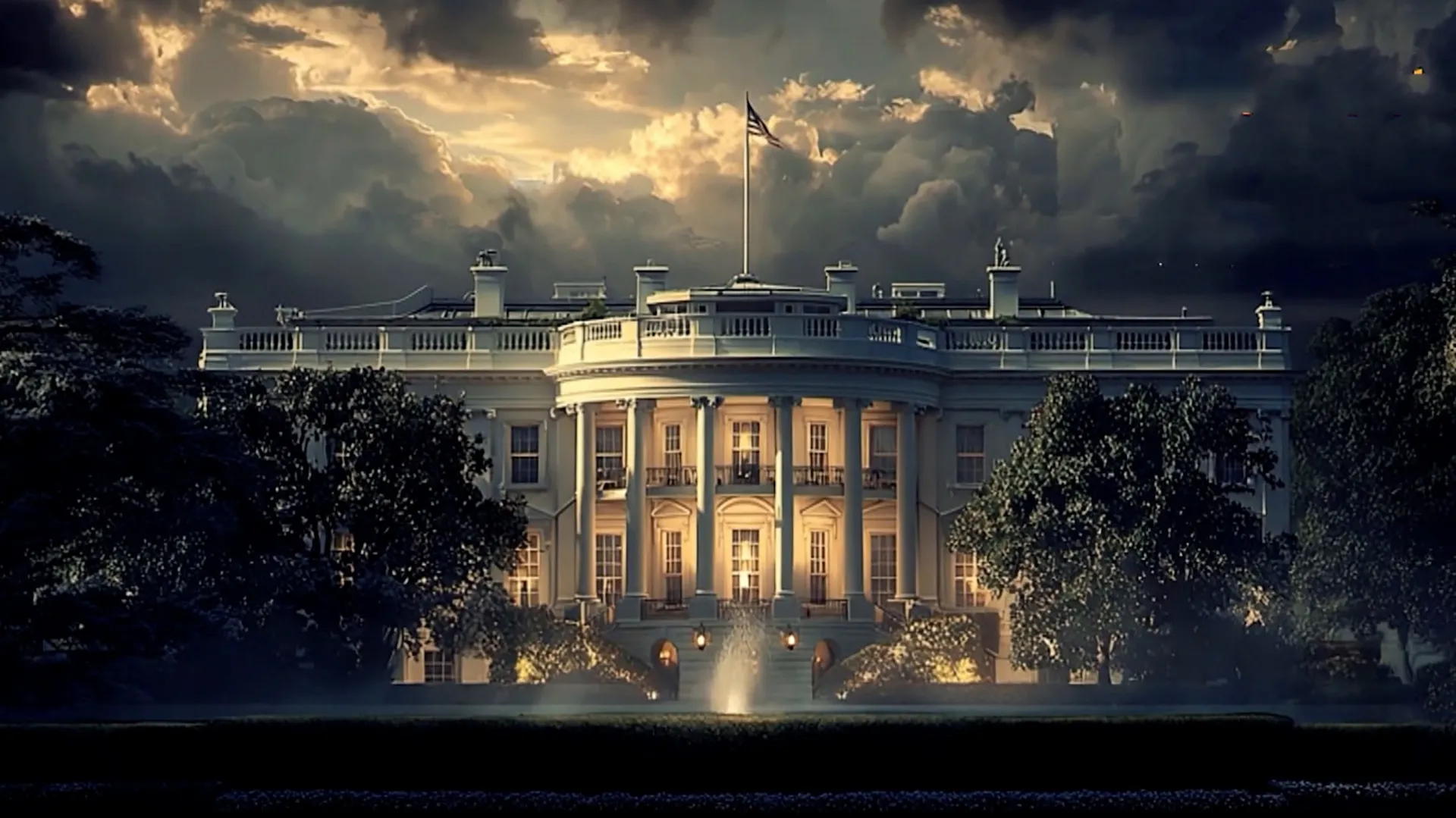
As the deadline approaches in one of the most sensitive conflicts with Iran, attention turns to Washington, revealing a recurring pattern in crisis management. The United States relies on "time warnings" as a complex pressure tool, combining military escalation with psychological messaging, raising questions about whether these deadlines pave the way for extensive military action or are part of a calculated pressure strategy.
Entering the fifth week of the Iranian-Israeli-American war, options are narrowing and paths are complicating, amid a lack of a clear horizon for the end of the conflict. The reliance on a "countdown policy" as a means of managing the conflict reflects a state of increasing tension in the region.
Details of the Event
From the moment the Strait of Hormuz was closed, deadlines became a central element in the American discourse. Former President Donald Trump announced the failure of nuclear negotiations, deeming Iran an imminent threat and calling for the destruction of its military and nuclear infrastructure. In response, Tehran issued a vague statement, asserting that the strait is open to all except for "enemies," which heightened confusion in energy markets and shipping companies.
On March 21, Trump issued the first explicit warning, giving Iran a 48-hour deadline to reopen the strait, threatening to destroy energy facilities. The Iranian response was sharp, as Tehran considered targeting energy facilities an attack on its people, which intensified the atmosphere of escalation and kept the region on the brink of a wider confrontation.
Two days later, Trump announced "fruitful talks" and ordered a five-day postponement of strikes, adding further ambiguity regarding the reality of negotiations. This discrepancy between American statements and Iranian denials raised questions about the efficacy of negotiations, keeping the deadline element as more of a psychological and political pressure tool than an actual negotiating pathway.
On March 26, the deadline was extended by an additional ten days, with a new date set, raising doubts about the objectives of these repeated extensions. As Iranian denials continued, the hypothesis emerged that the deadlines are not only targeting Tehran but also carrying messages to the American interior, attempting to manage expectations and justify any potential escalation.
On March 30, the tone of threats returned strongly, as Trump threatened comprehensive destruction including energy facilities and oil wells, expanding the circle of targets and giving the impression that Washington is navigating multiple options without a final resolution.
Background & Context
Historically, U.S.-Iranian relations have been fraught with tensions, witnessing periods of military escalation and mutual threats. Since the U.S. withdrawal from the nuclear agreement in 2018, tensions have escalated, making it difficult to reach a peaceful settlement. Washington relies on multiple strategies, including economic sanctions and military threats, as a means of pressuring Tehran.
In this context, the importance of deadlines emerges as a psychological tool, as Washington seeks to raise the pressure ceiling on Iran while keeping its options open. This dynamic reflects the complexity of international relations in the region, where political and military interests intertwine.
Impact & Consequences
The U.S. policy of deadlines affects regional stability, contributing to increasing tensions between Iran and its allies. Potential military escalation could lead to serious repercussions for regional security, threatening the interests of neighboring countries and increasing instability.
Concerns are growing that any military escalation could lead to a comprehensive conflict, negatively impacting the global economy and energy markets. Under these circumstances, the question remains whether Washington is genuinely seeking a political settlement or preparing for extensive military action.
Regional Significance
Arab countries are directly affected by the rising tensions between the United States and Iran. Gulf states, for instance, are worried about any escalation that could threaten their national security. Additionally, the economic and political crises in the region may worsen as a result of these tensions.
In conclusion, the situation in the region remains complex, with political and military interests overlapping, making it difficult to predict the course of events. Managing time as a pressure tool may be effective, but it carries significant risks that could affect everyone.