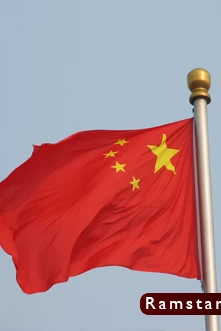
The Chinese Ministry of Commerce has reported that fees for crossing the Strait of Hormuz can now be paid in Chinese yuan, reflecting an important step towards enhancing the use of the Chinese currency as an international medium of exchange. This announcement comes at a time when shares of Chinese companies specializing in cross-border payments are experiencing a notable rise, indicating market optimism regarding this development.
China has long sought to promote the use of the yuan in international transactions, and its application in the Strait of Hormuz represents a long-awaited practical implementation. Analysts have noted that this development could enhance capital flows towards China, especially amid geopolitical tensions that may affect global trade movements.
Details of the Development
According to a report published by Lloyd's List, ships crossing the Strait of Hormuz pay Iran fees that can reach up to $2 million. It is expected that shipowners will be able to pay these fees in yuan, reflecting a shift in how financial transactions are managed in this vital shipping corridor.
The director at Shen Meng Investment Bank, based in Beijing, stated, "Stocks in related sectors, such as oil and gas investment companies and electronic payment services, will receive increased capital flows. China's efforts to use the yuan as an international currency are a major driving force behind its use in the Strait of Hormuz."
Background & Context
Iran controls navigation through the Strait of Hormuz, which is considered one of the most important maritime routes for energy transport globally. Iran imposes transit fees starting from $1 per barrel and accepts payments in yuan or stable currencies, reflecting its desire to promote the use of the Chinese currency in international trade.
This step is part of China's ongoing efforts to enhance the yuan's status on the international stage, especially amid the trade and political tensions in relations between China and the United States. Additionally, using the yuan in the Strait of Hormuz could pave the way for more countries to adopt the Chinese currency in their trade transactions.
Impact & Consequences
The use of the yuan to pay for fees in the Strait of Hormuz is a strategic move that could lead to increased reliance on the Chinese currency in global markets. This development may bolster China's position as a global economic power and reflects the impact of geopolitical conflicts on capital flows.
This shift is expected to increase Chinese investments in the energy sector, which could contribute to strengthening economic relations between China and oil-producing countries. Furthermore, this development may help reduce reliance on the U.S. dollar in international trade, potentially affecting the global financial system.
Regional Significance
The use of the yuan in the Strait of Hormuz represents an opportunity for Arab countries to enhance their economic relations with China. This development could lead to increased Chinese investments in the region, fostering economic growth and creating new job opportunities.
Moreover, promoting the use of the yuan could help reduce reliance on the U.S. dollar in trade between Arab countries and China, opening new avenues for economic and trade cooperation. Amid geopolitical tensions, this step may become increasingly important for Arab countries seeking to stabilize their economies.