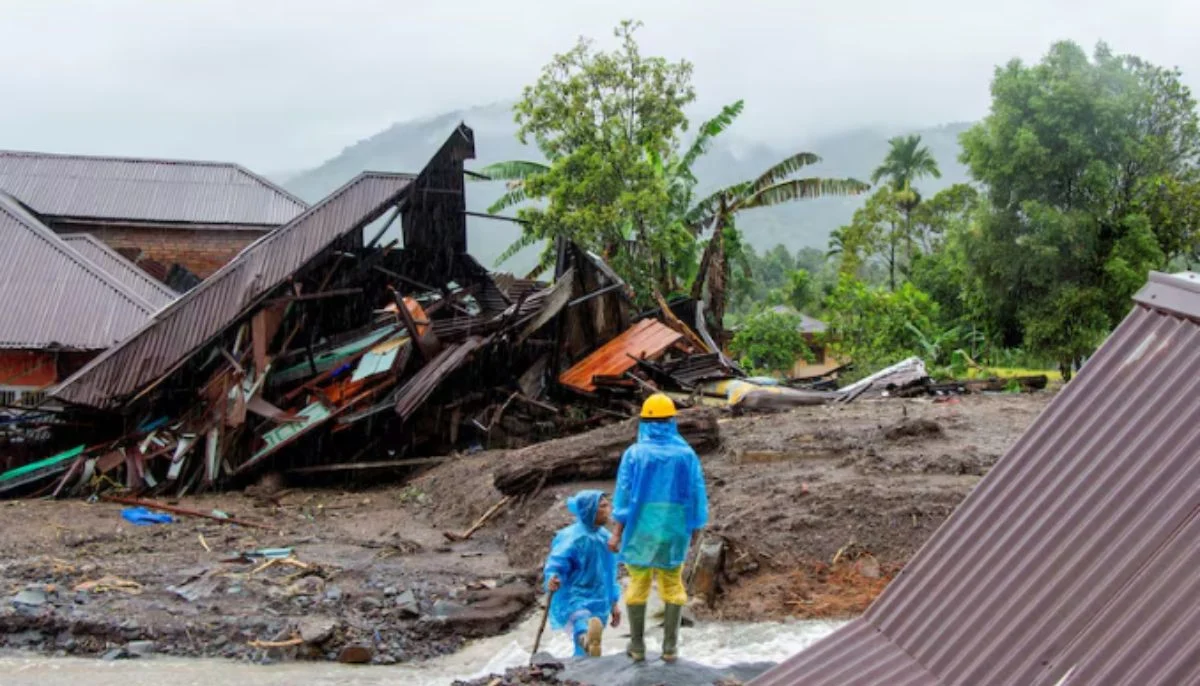
Mohammad Tito Karnavian, head of the Rehabilitation and Reconstruction Unit in Indonesia, announced an innovative plan to utilize floating wood resulting from floods for housing construction. This initiative follows the hydrometeorological disasters that struck Aceh, North Sumatra, and West Sumatra at the end of last year, which led to the accumulation of large quantities of floating wood in rivers.
During a press conference in Jakarta, Tito emphasized that this plan aims not only to rebuild homes but also to use the wood in various industries. He noted that this initiative will allow local communities to participate in building their homes, enhancing the spirit of cooperation and solidarity among residents.
Details of the Initiative
The Indonesian government's plan includes using floating wood as building materials, with significant quantities of wood recorded in several affected areas. In Aceh province, approximately 2112.11 cubic meters of wood have been utilized for temporary housing construction. Meanwhile, in Aceh Tamiang, there are 572.4 cubic meters of wood awaiting determination of its use by the local government.
In North Sumatra province, 329.24 cubic meters of wood have been used for building homes and public facilities, while 93.39 cubic meters in Central Tapanuli have been utilized to support efforts to rebuild damaged homes. In Padang city, West Sumatra province, 1996.58 cubic meters of wood have been delivered to the local government for use in rehabilitation projects.
Background & Context
Historically, Indonesia has experienced numerous natural disasters, including floods and earthquakes, leading to widespread destruction of infrastructure and homes. In recent years, the frequency of these disasters has increased due to climate change, prompting the government to develop new strategies to address their impacts. This initiative is part of the government's efforts to promote environmental sustainability by reusing available natural resources.
The Indonesian government's decision also aligns with its commitment to enhancing sustainable development, as a ministerial decree has been issued to regulate the use of floating wood as resources for building homes and public facilities. This decree aims to accelerate the rehabilitation and recovery process in affected areas.
Impact & Consequences
This initiative is considered an important step towards achieving sustainability in reconstruction, as it helps reduce waste resulting from natural disasters. Additionally, utilizing floating wood enhances local communities' ability to recover more quickly, reducing dependence on external aid.
Moreover, this step may open new horizons for local industries, as floating wood can be used to produce other building materials, contributing to the creation of new job opportunities and boosting the local economy.
Regional Significance
Indonesia's experience in utilizing natural resources after disasters serves as a model for the Arab region, where many Arab countries face similar challenges due to natural disasters. Arab countries can benefit from this experience by developing similar strategies to enhance sustainability in reconstruction and recovery.
In conclusion, this Indonesian initiative represents a positive step towards promoting sustainability and innovation in addressing environmental challenges, encouraging other countries to adopt similar practices in post-disaster reconstruction.