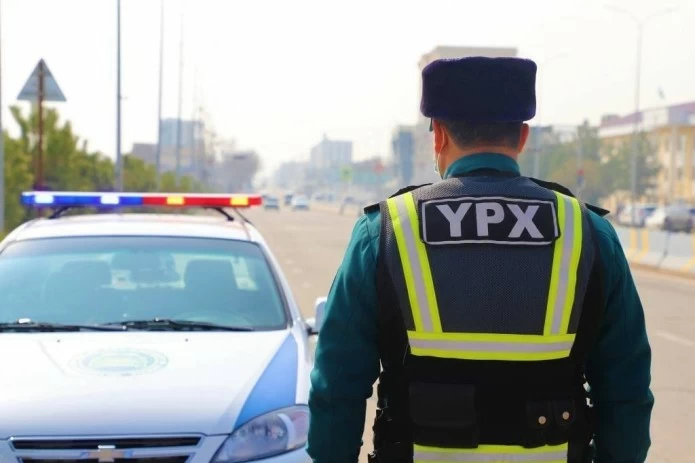
Uzbekistan's President Shavkat Mirziyoyev has announced a new presidential decree aimed at reducing the use of government vehicles by civil servants, prohibiting them from using these cars for two days each month. This national campaign, titled 'Day Without a Car', will begin on May 1.
The decree stipulates that the campaign will be organized on the 10th and 25th of each month, with strict enforcement of the ban on all civil servants. It was also confirmed that drivers' salaries will be fully maintained in case these days coincide with workdays.
Details of the Initiative
This move is part of a broader national project named 'Clean Air', which aims to reduce environmental pollution and improve air quality in cities. Additionally, the project seeks to encourage citizens and officials to adopt more sustainable transportation methods.
The decree also includes other practical steps to combat pollution, as the capital city, Tashkent, will be divided into multiple ecological zones before the end of 2026. Access to these zones will be regulated through a color-coded environmental sticker system, where a red sticker will be placed on high-emission vehicles, yellow for medium levels, and green for the lowest emissions.
Background & Context
Uzbekistan faces significant environmental challenges, particularly in major cities, due to traffic congestion and a heavy reliance on old internal combustion engine vehicles. The 'Clean Air' project is part of President Mirziyoyev's efforts to improve the environment and promote sustainability, aligning with international environmental standards.
The decree also announced the launch of the 'Trade-In' program starting from August 1, which allows individuals and companies to trade in their old vehicles for partial compensation towards loans for purchasing new vehicles. This program aims to accelerate vehicle renewal and reduce harmful emissions.
Impact & Consequences
This campaign is expected to contribute to improved air quality and reduced pollution in Uzbek cities, benefiting citizens' health. Moreover, imposing restrictions on high-emission vehicles' access to ecological zones will help raise environmental awareness among the populace.
This initiative is also seen as a model for other countries facing similar environmental challenges, potentially inspiring them to adopt similar policies aimed at improving the environment and promoting sustainability.
Regional Significance
Uzbekistan's experience in implementing this campaign may be beneficial for Arab countries facing similar environmental issues, such as pollution from traffic congestion. This step could encourage Arab nations to consider sustainable transportation policies and adopt strategies to reduce pollution.
In conclusion, Uzbekistan's decision represents a bold step towards environmental improvement and reflects the Uzbek government's commitment to addressing environmental challenges and achieving sustainable development.