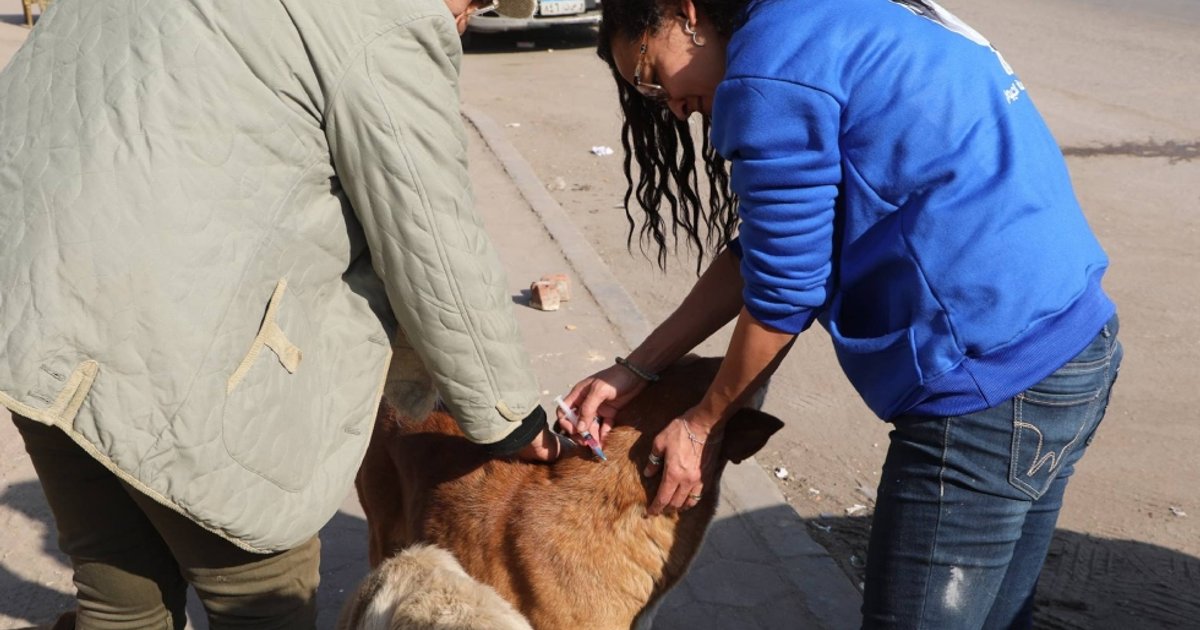
The General Authority for Veterinary Services in Egypt has announced a significant achievement in its campaign against stray dogs, having vaccinated 18,408 of these animals and neutered 1,718 others. This campaign is part of the Egyptian government's efforts to reduce the spread of diseases that can be transmitted from animals to humans and to promote public health within the community.
Stray dogs are considered a major health and social issue, posing a threat to public health, especially in urban areas. The authority confirmed that this campaign is part of a comprehensive strategy aimed at improving animal health and protecting citizens from infectious diseases.
Details of the Campaign
The campaign was implemented across several governorates, with veterinary teams deployed to the most in-need areas. The initiative included vaccinating dogs against common diseases such as rabies, which is one of the most dangerous diseases that can be transmitted to humans. Additionally, neutering the dogs helps to control their population, thereby reducing their numbers on the streets.
It is noteworthy that the campaign was not limited to vaccination and neutering alone; it also included raising public awareness about the importance of humane treatment of stray animals and how to protect themselves from potential risks.
Background & Context
Many Arab countries face the issue of stray dogs, which is a complex health and social problem. In recent years, governments in the region have increased their efforts to tackle this phenomenon through vaccination and neutering campaigns, alongside public awareness programs.
Egypt is among the countries suffering from a significant stray dog population, prompting the government to take serious steps to address the issue. Studies have shown that stray dogs can carry numerous diseases, necessitating immediate action to protect public health.
Impact & Consequences
This campaign is a positive step towards improving health conditions in the country. By vaccinating and neutering stray dogs, the risk of disease transmission can be reduced, contributing to enhanced public health. Furthermore, these efforts reflect the Egyptian government's commitment to protecting citizens and maintaining a safe and healthy environment.
Moreover, this campaign may help change societal perceptions of stray dogs, potentially leading to increased awareness of the importance of humane treatment of these animals, which could improve relationships between humans and animals.
Regional Significance
Egypt's experience in combating stray dogs serves as a model that can be emulated by other Arab countries facing the same problem. By sharing experiences and practices, Arab nations can work together to address this phenomenon more effectively.
Enhancing cooperation among Arab countries in the field of animal health can contribute to improving health conditions in the region as a whole, benefiting all citizens.
In conclusion, the efforts of the General Authority for Veterinary Services in Egypt reflect a genuine commitment to improving public health and protecting citizens from health risks. The continuation and expansion of these campaigns will have a positive impact on society as a whole.