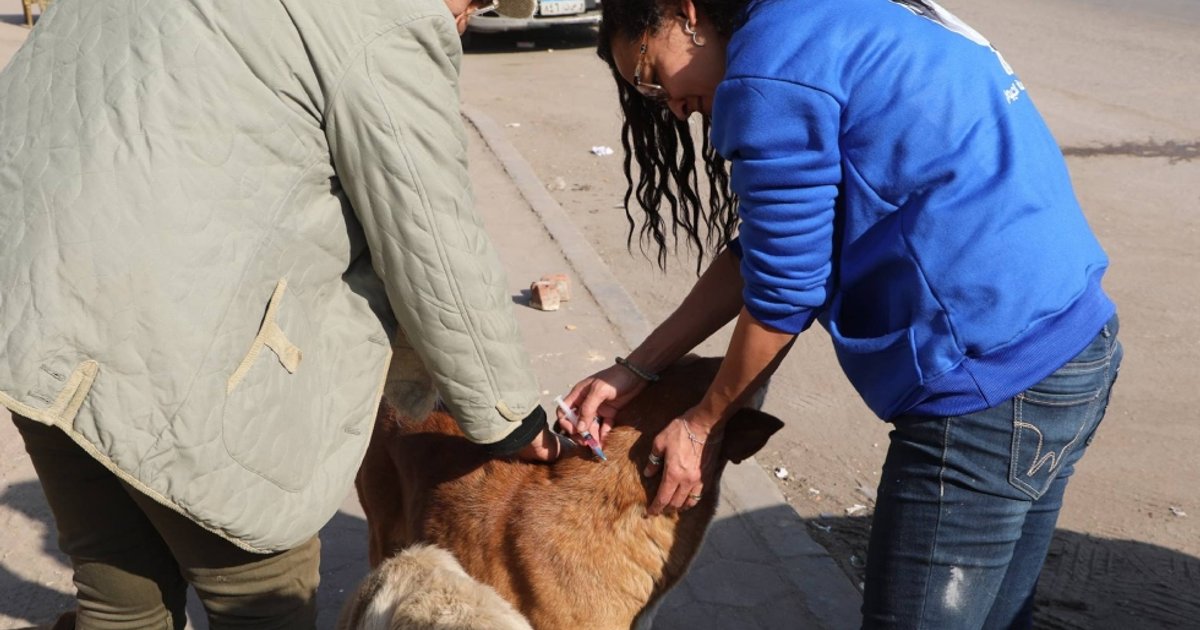
The veterinary services in Egypt have successfully vaccinated 18,408 stray dogs as part of a comprehensive campaign aimed at combating the spread of stray animals. This initiative is part of the Egyptian government's efforts to improve public health and reduce the diseases that can be transmitted by these animals.
Stray dogs pose environmental and health challenges in many countries, as they can threaten public health by spreading diseases. Therefore, vaccinating these dogs is a crucial step towards protecting the community.
Details of the Campaign
The campaign was implemented in several areas, with specialized veterinary teams deployed for vaccination. It included both urban and rural regions, reflecting the government's commitment to addressing this issue comprehensively.
The campaign also involved raising community awareness about the importance of vaccinating animals, providing citizens with information on the health and social benefits of vaccinating dogs. It emphasized the need for cooperation between citizens and government entities to achieve better outcomes.
Background & Context
Historically, the issue of stray dogs has been a concern for many countries, particularly in densely populated areas. In Egypt, the number of stray dogs has significantly increased in recent years, leading to the outbreak of certain diseases such as rabies.
In recent years, the Egyptian government has taken several steps to address this problem, including vaccination and awareness programs. However, challenges remain, necessitating ongoing and integrated efforts.
Impact & Consequences
Vaccinating stray dogs has numerous positive effects, not only on public health but also on the environment. By reducing the number of stray dogs, health risks associated with them, such as infectious diseases, can be minimized.
This campaign also reflects the Egyptian government's commitment to improving the quality of life for citizens and enhancing public health. If successful, this campaign could serve as a model for other countries facing similar issues.
Regional Significance
The issue of stray animals is a common concern in many Arab countries, most of which suffer from an increase in stray dog populations. The success of the Egyptian campaign could inspire other nations to adopt similar strategies.
Moreover, cooperation among Arab countries in public health could facilitate the exchange of successful experiences and practices, enhancing efforts to combat shared diseases.
In conclusion, the campaign to vaccinate stray dogs represents a positive step towards improving public health in Egypt. With continued efforts, tangible results are expected in reducing the number of stray dogs and enhancing health awareness in the community.