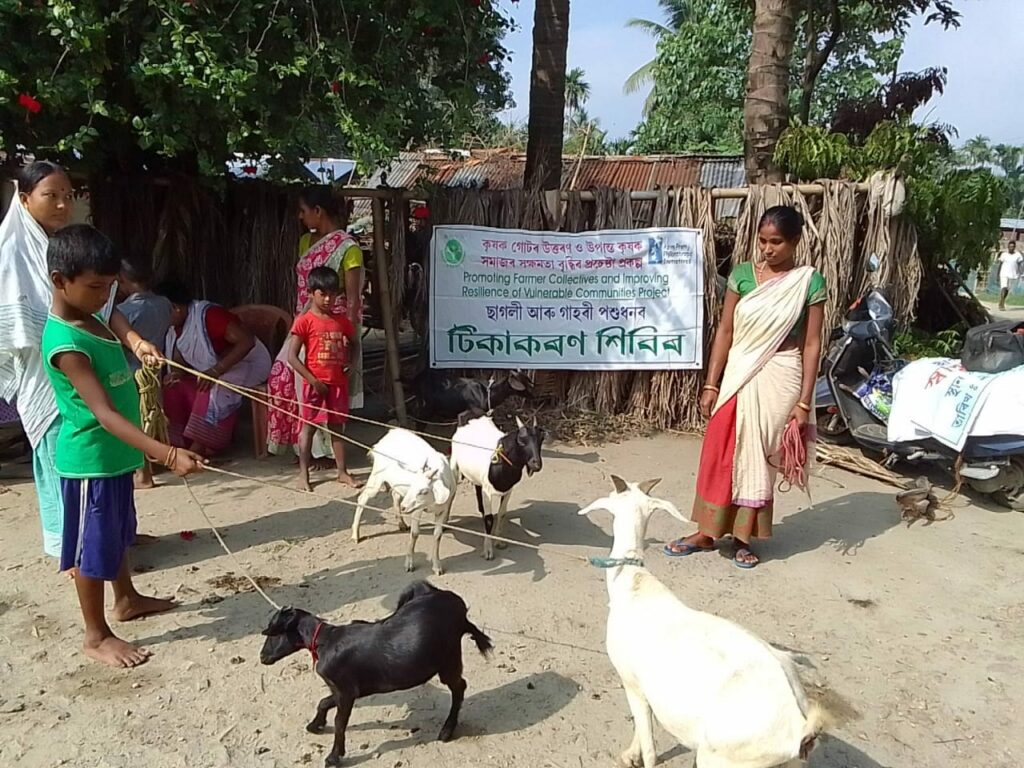
The Egyptian Ministry of Agriculture and Land Reclamation has successfully vaccinated 25,753 livestock in Qena, as part of the national campaign to combat epidemic diseases such as lumpy skin disease and sheep pox. This campaign is aimed at safeguarding the livestock sector from diseases that could negatively impact agricultural production and the national economy.
This initiative is part of a comprehensive strategy aimed at enhancing animal health and providing safe food for citizens. The vaccination was carried out in collaboration with the Veterinary Medicine Directorate in Qena, where vaccines were distributed to farmers and breeders across various regions.
Details of the Campaign
The national campaign includes vaccinating all types of livestock, including cattle and sheep, against epidemic diseases that threaten the livestock sector. The necessary vaccines have been provided by the Ministry of Agriculture, and veterinary medical teams have been trained on how to implement the vaccinations effectively.
Awareness campaigns have also been organized for farmers regarding the importance of vaccination and how to handle infected animals. This step is crucial to ensure the safety of livestock and improve the quality of animal products.
Background & Context
Egypt faces significant challenges in the livestock sector, with epidemic diseases being one of the major risks threatening this industry. Lumpy skin disease and sheep pox are diseases that lead to substantial production losses, necessitating effective preventive measures.
Historically, Egypt has witnessed several campaigns to combat epidemic diseases in livestock, but the current campaign is considered the most extensive and organized. The government aims to improve animal health and increase productivity through these campaigns, contributing to food security.
Impact & Consequences
The current vaccination campaign is a positive step towards enhancing food security in Egypt. By protecting livestock, the risks associated with epidemic diseases can be reduced, leading to increased animal production and improved quality of meat and dairy products.
This campaign also reflects the Egyptian government's commitment to improving animal health and boosting the agricultural economy. If successful, it could increase farmers' and breeders' confidence in their investments in this sector.
Regional Significance
Egypt is one of the largest producers of meat and dairy in the Arab region. Therefore, the success of the vaccination campaign could have a positive impact on regional markets, as increased production can help meet the needs of the Arab market.
Moreover, Egypt's experience in combating epidemic diseases could serve as a model for other countries in the region facing similar challenges in the livestock sector.
In conclusion, the vaccination campaign against lumpy skin disease and sheep pox represents an important step towards enhancing livestock health in Egypt, contributing to food security and improving the agricultural economy.