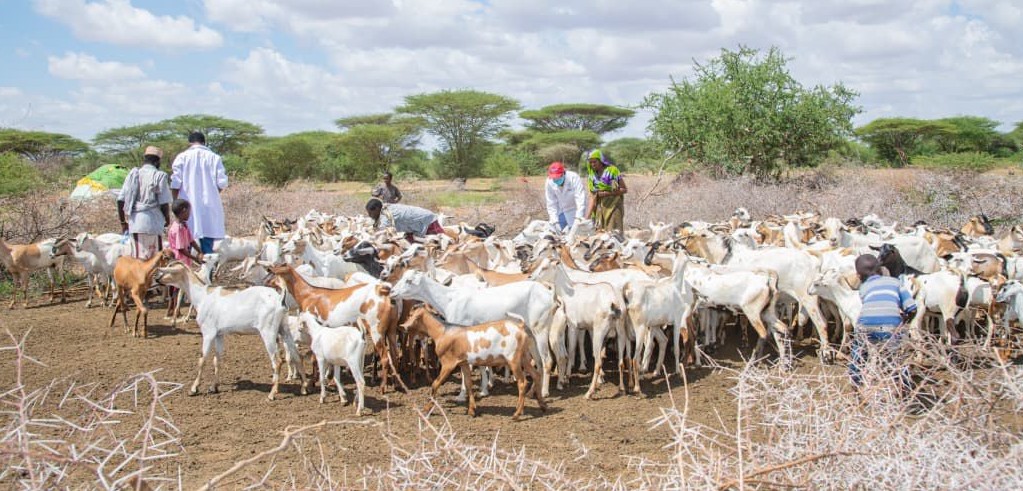
The Egyptian Ministry of Agriculture and Land Reclamation has launched a large-scale vaccination campaign in Alexandria, aiming to vaccinate 38,000 livestock and poultry against seasonal diseases. This campaign is part of the ongoing efforts to preserve livestock and ensure its safety, representing a crucial step in the ministry's strategy to combat diseases that could negatively impact animal production.
The campaign includes vaccination against a range of common diseases, such as Rift Valley Fever and Foot-and-Mouth Disease, which pose a significant threat to livestock in Egypt. Specialized medical teams have been prepared to carry out vaccination operations in various areas of Alexandria, where the necessary vaccines are provided free of charge to breeders.
Details of the Campaign
Through this campaign, the Ministry of Agriculture aims to achieve several objectives, including enhancing immunity in animals, reducing the spread of diseases, and supporting breeders in facing health challenges they may encounter. Specific dates have been set for the implementation of the campaign, covering all rural and urban areas in Alexandria.
Guidelines have also been provided to breeders on how to care for animals post-vaccination to ensure optimal results. This campaign is considered part of the ministry's ongoing efforts to enhance food security in the country.
Background & Context
Historically, Egypt has suffered from outbreaks of various animal diseases, adversely affecting meat and dairy production. These challenges have necessitated strict preventive measures, such as regular vaccinations for animals. In recent years, the Ministry of Agriculture has strengthened vaccination programs, significantly reducing the incidence of animal diseases.
Alexandria is one of the largest Egyptian governorates in terms of livestock, with many breeders relying on this wealth as a primary source of income. Therefore, any health threat that could impact this wealth can have significant economic repercussions.
Impact & Consequences
This campaign is expected to enhance trust among breeders, as they feel supported by the government in facing health challenges. Additionally, regular vaccinations contribute to improving the quality of animal products, benefiting consumers.
Moreover, the success of this campaign may encourage similar initiatives in other governorates, bolstering national efforts to combat animal diseases. Improving animal health can lead to increased productivity, contributing to achieving food security in Egypt.
Regional Significance
Egypt is considered one of the leading countries in agriculture and livestock in the Arab region. Therefore, the success of this campaign could serve as a model for other countries facing similar challenges. These efforts can enhance regional cooperation in agriculture, allowing for the exchange of experiences and best practices.
In light of the challenges facing the region from climate change and animal diseases, enhancing animal health is vital for ensuring the sustainability of agricultural and livestock production.
In conclusion, the vaccination campaign in Alexandria represents an important step towards enhancing the health of livestock in Egypt, reaffirming the government's commitment to protecting breeders and supporting food security in the country.