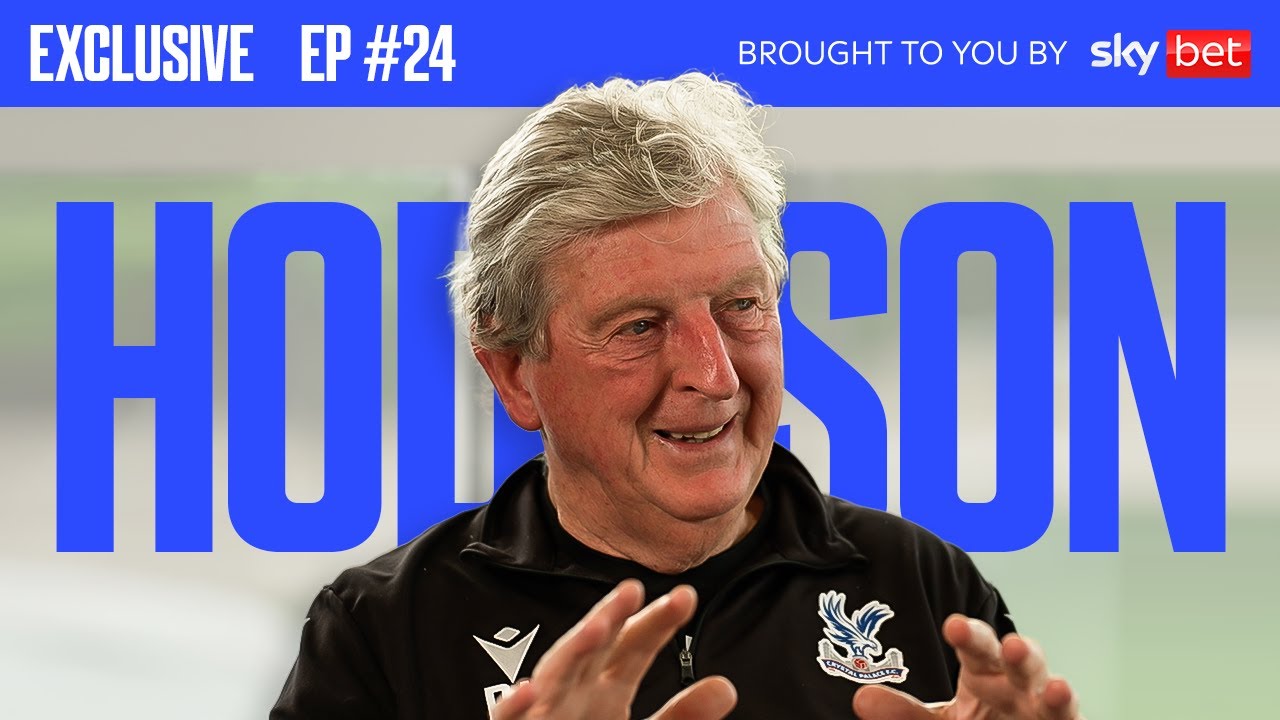
Questions arise about the impact of age on coaching success in football, as many continue to achieve despite their advancing years. English coach Roy Hodgson, returning to coaching at 78, exemplifies this phenomenon.
His return to the coaching scene through Bristol City was not just a fleeting news item, but reignited an age-old question: Does aging hinder artistic success, or does it provide an advantage in managing details?
Event Details
Hodgson is a model of a coach who has not allowed his age to limit his ambitions. His coaching career, spanning decades, has included prominent European clubs such as Crystal Palace and Fulham, in addition to leading national teams like Switzerland and England. Hodgson is renowned for his ability to manage teams under pressure and organize defensive play effectively while maintaining players' morale.
His return to Bristol City has sparked discussions about a category of coaches who refuse to retire and continue to work passionately, drawing on experience accumulated over decades. In England, age is not seen as the end of the road, but rather as an advanced stage of artistic maturity, where extensive experience becomes a crucial tool for managing teams and achieving balance within locker rooms.
Context and Background
Roy Hodgson's case is not an exception; there are other coaches over seventy, such as Tony Pulis, who passed away at 74, having coached clubs like Leeds United and Birmingham City. Pulis was known for his ability to maintain team stability and manage veteran players, continuing to coach into his later years, underscoring that extensive experience can compensate for any decline in physical vitality.
Harry Redknapp (71 years old when he stopped coaching) led clubs like Tottenham Hotspur and Portsmouth, distinguished by his strong motivational style and ability to foster a high competitive spirit among players, while maintaining team organization and implementing tactics accurately.
Implications and Effects
The experiences of these coaches confirm that in England, reaching seventy does not signify the end of the journey, but represents a phase of artistic maturity that grants the ability to read matches deeply, manage pressures better, and effectively deal with challenges within locker rooms. Age becomes a secondary number compared to the competence and experience gained over decades of work on the pitch.
On the other side, the model of the Arab coach emerges, often working in changing and unstable environments. The veteran Arab coach does not find enough time to implement his ideas long-term, but is required to achieve results quickly, forcing him to develop a high adaptability and make rapid tactical decisions.
Impact on the Arab Region
Discussing the veteran Arab coach leads us to several names that have left a clear mark and continued coaching into advanced ages. Faouzi Benzarti, who continued working with Club Africain until the age of 76, and Helmi Toulan, who serves as the head coach of the Egyptian national team for local players at 76 as well, along with Rabah Saadane, considered the elder statesman of coaches in Algeria, Hossam Hassan known as