Foreign ministers from Russia, Jordan, and the Gulf Cooperation Council (GCC) will convene via video conference on Monday, March 30, aiming to discuss the deteriorating conditions in the Middle East and their impact on regional and international security. This meeting was announced by the Secretary-General of the GCC, Mohammed Al-Budaiwi, who emphasized the importance of these discussions amidst rising tensions in the region.
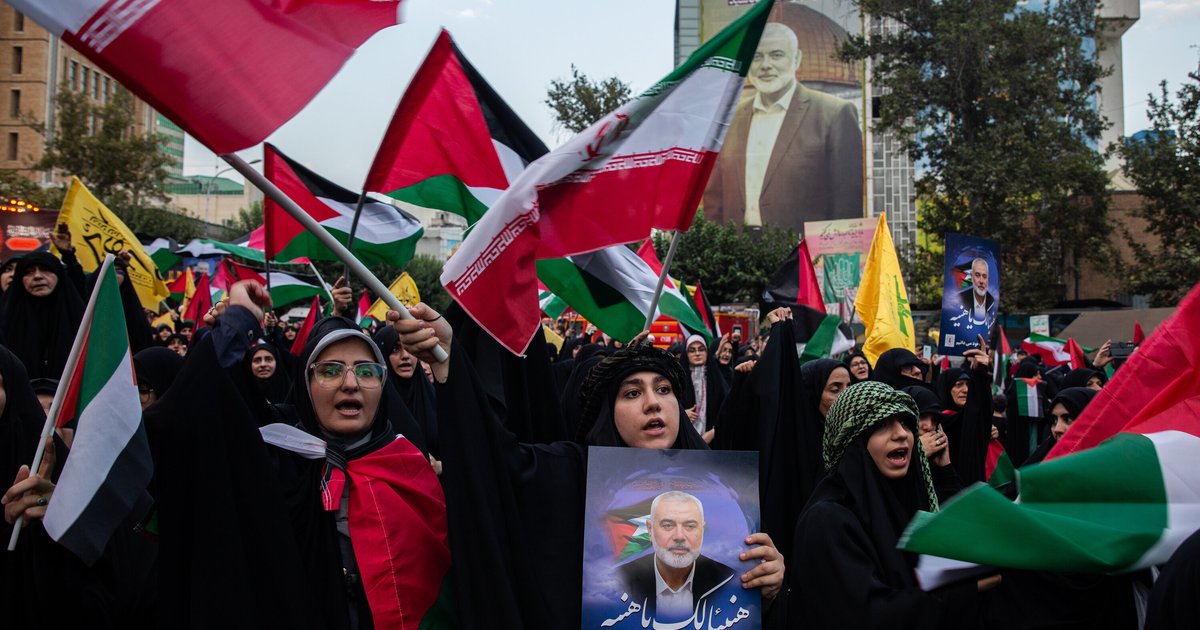
The meeting will address the impact of Iranian attacks on GCC member states and Jordan, as well as the serious developments in the region that could negatively affect the entire world. This step comes at a sensitive time, as the region is witnessing an escalation of hostilities between Iran and Israel, complicating the security situation further.
Event Details
Concerns are growing over the escalation of conflict in the Middle East, especially following Iranian attacks on Israeli and American military targets in the region. These attacks were a response to joint airstrikes by the United States and Israel, leading to unprecedented escalation in hostilities. On the first day of the conflict, which occurred on February 28, a girls' school in southern Iran was attacked, resulting in multiple civilian casualties.
According to reports, the civilian death toll in the conflict has surpassed 1,300, while the number of injured has exceeded 20,000. These figures reflect the scale of the humanitarian disaster facing the region, necessitating urgent action from the international community.
Background & Context
Historically, the Middle East has been a hotspot of tension and conflict, where regional and international interests intersect. For decades, the region has witnessed multiple conflicts, ranging from the Arab-Israeli conflict to civil wars and foreign interventions. In recent years, tensions between Iran and Gulf states have escalated, complicating the security landscape.
In this context, the foreign ministers' meeting is a significant step towards enhancing regional cooperation to address shared challenges. Coordination between Russia and Arab states could help reduce tensions and enhance the prospects for peaceful solutions to ongoing conflicts.
Impact & Consequences
The current escalation in the Middle East has significant implications for regional and international security. Iranian attacks on Israel and the American military presence in the region could lead to further escalation, threatening the stability of Gulf states and Jordan. Additionally, these conditions may affect oil prices and global markets, increasing economic concerns.
Moreover, the ongoing conflict could exacerbate humanitarian crises, as civilians suffer from the conflict's repercussions. The need for urgent humanitarian response is growing with the increasing numbers of displaced individuals and the injured.
Regional Significance
For Arab states, the rising tensions in the Middle East represent a major challenge. Jordan and Gulf states rely on regional stability for development and prosperity. Any escalation in conflict could impact the internal security of these nations and increase economic and social challenges.
In conclusion, the foreign ministers' meeting represents an important opportunity to discuss ways to enhance cooperation in addressing shared challenges. Dialogue and coordination among the involved countries could help reduce tensions and enhance the chances of achieving peace and stability in the region.