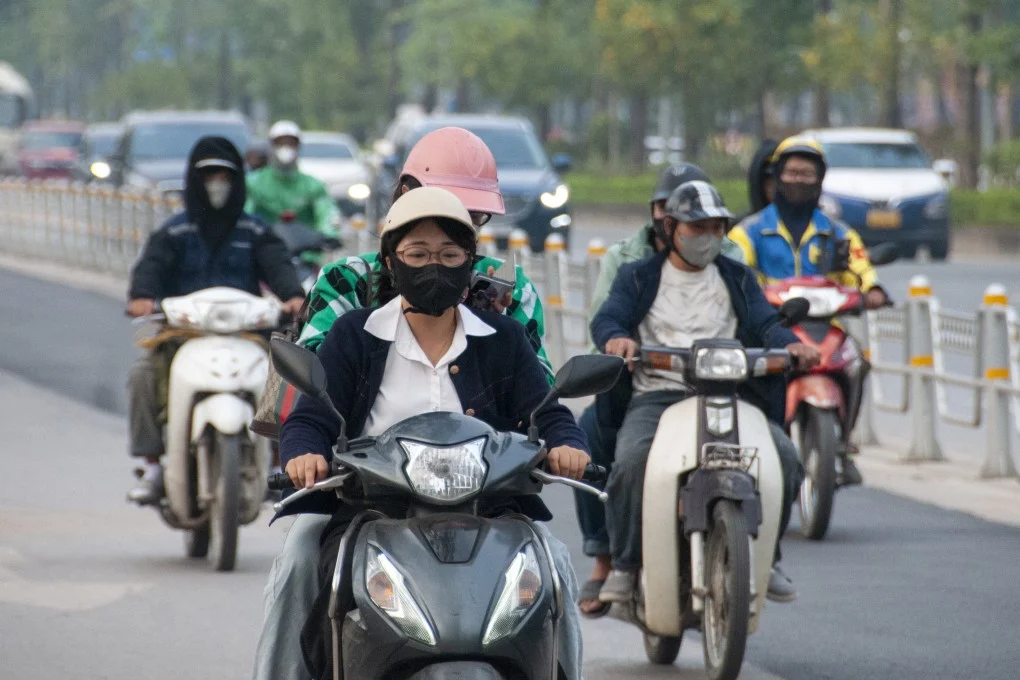
In an unprecedented move, Vietnamese authorities have arrested over 70 individuals, including several government officials, on charges of falsifying air and water quality monitoring data at power plants and major emission sources. State media reported that these arrests came after intensive investigations revealed manipulation in data from around 160 environmental monitoring stations, which represents more than half of the total number of stations in the country.
According to the official newspaper People's Police, the police were able to identify the stations that had been tampered with, leading to the arrest of 74 individuals in connection with this case. This action is considered part of the Vietnamese government's efforts to combat corruption and enhance transparency in managing environmental resources.
Details of the Incident
The case revolves around the falsification of data related to air and water quality, which are vital information affecting citizens' health and the environment. This issue has raised widespread concern among the public, as manipulating this data poses a direct threat to both the environment and the health of the population. According to authorities, investigations are still ongoing, and the scope of arrests may expand to include more individuals involved.
These events come at a sensitive time for Vietnam, as the government seeks to improve its international image and strengthen its commitment to environmental protection. This case may serve as a real test of the government's seriousness in tackling corruption and achieving transparency.
Context and Background
Historically, Vietnam has faced significant environmental challenges due to rapid industrial growth and urban expansion. These challenges have led to a deterioration in air and water quality, adversely affecting citizens' health. In recent years, the government has taken steps to improve the environmental situation, including tightening laws related to environmental protection.
However, corruption and illegal practices continue to pose a significant obstacle to these efforts. Previous investigations have shown that there is a network of corruption within government institutions, hindering progress in environmental protection.
Consequences and Impact
These arrests are considered an important step towards rebuilding trust between the government and citizens. Manipulating environmental data can lead to severe consequences, including the spread of diseases and increased pollution. Therefore, holding those responsible for these actions accountable may contribute to improving the environmental situation in the country.
Furthermore, this case could impact Vietnam's reputation on the international stage, as it is viewed as a country striving for sustainable development. If the government can address this issue seriously, it may enhance its standing in international forums.
Impact on the Arab Region
These events highlight the importance of transparency and accountability in managing environmental resources, which can serve as a lesson for Arab countries facing similar challenges. Many Arab nations suffer from serious environmental issues, such as air and water pollution, necessitating strict measures to combat corruption and promote transparency.
Ultimately, this case in Vietnam can be seen as a model for other countries in the region, demonstrating how a government can take effective steps to combat corruption and enhance environmental protection.