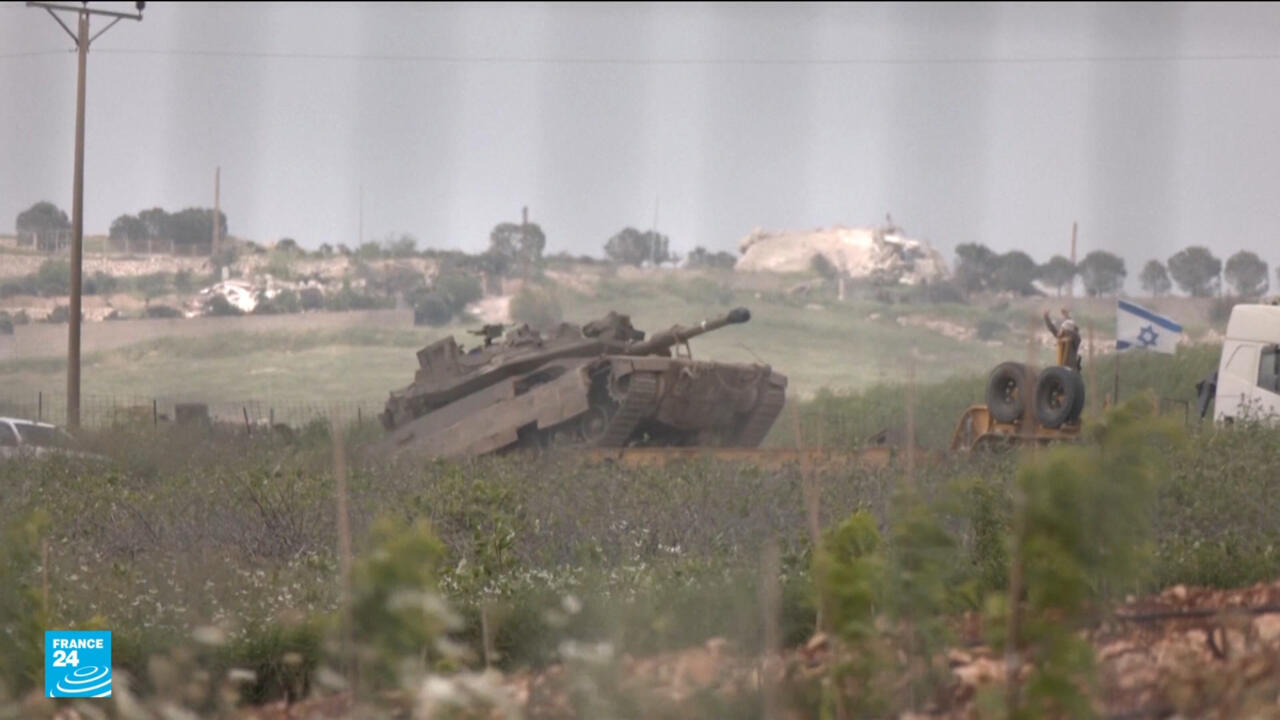
Hezbollah announced on Wednesday the outbreak of clashes with Israeli forces that advanced into a town located outside the Blue Line, which delineates the security zone in southern Lebanon. This escalation comes amid intense Israeli bombardment targeting several areas in the south, increasing tensions in the region.
In a related context, the Israeli army issued an order to evacuate the city of Tyre and the surrounding camps as part of its preparations for potential military reactions. This step reflects Israeli concerns over the escalation of clashes, as the army seeks to protect civilians and avoid any human losses.
Details of the Incident
Reports indicate that the clashes erupted after Israeli forces penetrated a sensitive area, prompting a swift response from Hezbollah. The Lebanese army confirmed the death of one of its soldiers in an Israeli airstrike targeting his service location in the Bekaa Valley, complicating the security situation in Lebanon further.
These developments come at a sensitive time for the region, with growing fears of a larger escalation in the conflict between Hezbollah and Israel. The past few days have witnessed mutual bombardments, reflecting a state of increasing instability along the Lebanese-Israeli border.
Background & Context
Historically, the Lebanese-Israeli border has experienced ongoing tensions, especially since the 2006 war. Hezbollah, which considers itself a resistance against Israeli occupation, continues to enhance its military capabilities, raising concerns in Israel. In recent years, the intensity of clashes has increased, particularly with the rise of regional tensions.
The southern Lebanese region is strategic, hosting United Nations peacekeeping forces, which complicates the situation further. Any escalation in this area could impact regional security and reignite old conflicts.
Impact & Consequences
The current escalation could have serious implications for regional security. If clashes continue, we may witness a flow of refugees from the affected areas, increasing pressure on the Lebanese government. Additionally, any military escalation could affect relations between Lebanon and neighboring countries, especially amid the economic and political crises the country is facing.
This escalation may also lead to international interventions, as some major powers might seek to mediate between the conflicting parties. In the past, there have been multiple attempts to reach ceasefire agreements, but they often fail due to mistrust among the involved parties.
Regional Significance
This escalation has significant implications for the Arab region as a whole. Events in Lebanon affect the situation in Syria and Palestine, where interests and agendas overlap. Furthermore, any escalation could increase tensions between Iran and Arab countries, especially given Iran's support for Hezbollah.
Ultimately, the situation in Lebanon remains under the world's watchful eye, as everyone closely follows the developments. The continuation of clashes could lead to radical changes in the security and political landscape of the region.