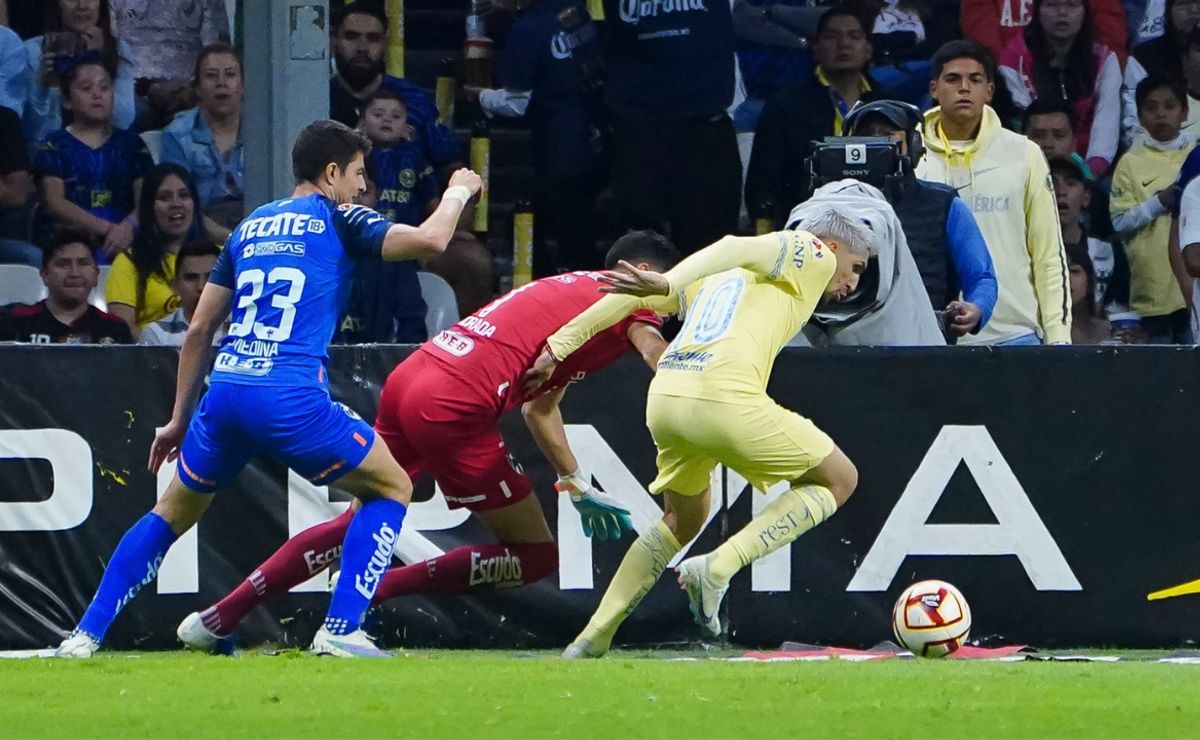
A local derby in the Spanish second division football league on Sunday witnessed unexpected events, as Real Zaragoza's goalkeeper, Esteban Andrada, was sent off after punching Huesca's captain, Jorge Pulido. This incident was not an isolated occurrence; it led to a mass brawl among players, stirring discontent among fans and spectators.
This match is considered one of the highlights of the Spanish league, featuring two teams fiercely competing for top positions. As tensions escalated, it became evident that the match was spiraling out of control, which indeed happened following the incident that led to Andrada's red card.
Details of the Incident
In the 70th minute of the match, Andrada made an unprovoked tackle on Pulido, prompting a swift reaction from the referee who issued a red card. This decision was not surprising, as the match had already seen numerous strong challenges from both teams. Following the ejection, players gathered in the center of the pitch, leading to a brawl that required intervention from the officiating crew.
It is noteworthy that this is not the first time such incidents have occurred in Spanish league matches. Instances of violence and brawls among players have been repeated in previous games, raising questions about player behavior and the pressures of competition.
Background & Context
Historically, the Spanish league has seen many exciting matches that have turned into scenes of violence. This phenomenon can be attributed to the immense pressures faced by players, whether from fans or the media. Additionally, the fierce competition between teams, especially in the lower divisions, contributes to heightened tensions.
In recent years, the Spanish league association has attempted to take strict measures to curb violence in matches, including imposing penalties on clubs and players involved in such incidents. However, these efforts seem insufficient to eradicate this phenomenon.
Impact & Consequences
Such incidents can tarnish the reputation of the Spanish league, which is regarded as one of the premier leagues in the world. Violence in matches may lead to a loss of trust among fans in the game, affecting attendance and revenue. Moreover, players involved in such incidents may face severe penalties, impacting their professional careers.
Furthermore, these events can increase pressure on referees, who find themselves in challenging situations requiring quick and accurate decisions. Referees must be prepared to handle such scenarios, which necessitates specialized training.
Regional Significance
The Arab region also witnesses similar cases of violence in sports, particularly in football. Scenes of brawls between players and fans recur in many matches, raising concerns among sports authorities in Arab countries. There should be collaborative efforts among sports federations to develop a positive sports culture and promote sportsmanship among players and fans.
Ultimately, sports remain a means of communication and interaction among peoples, and they should be used to promote positive values rather than violence. It is crucial for players and fans to learn from these events and strive to improve the image of sports.