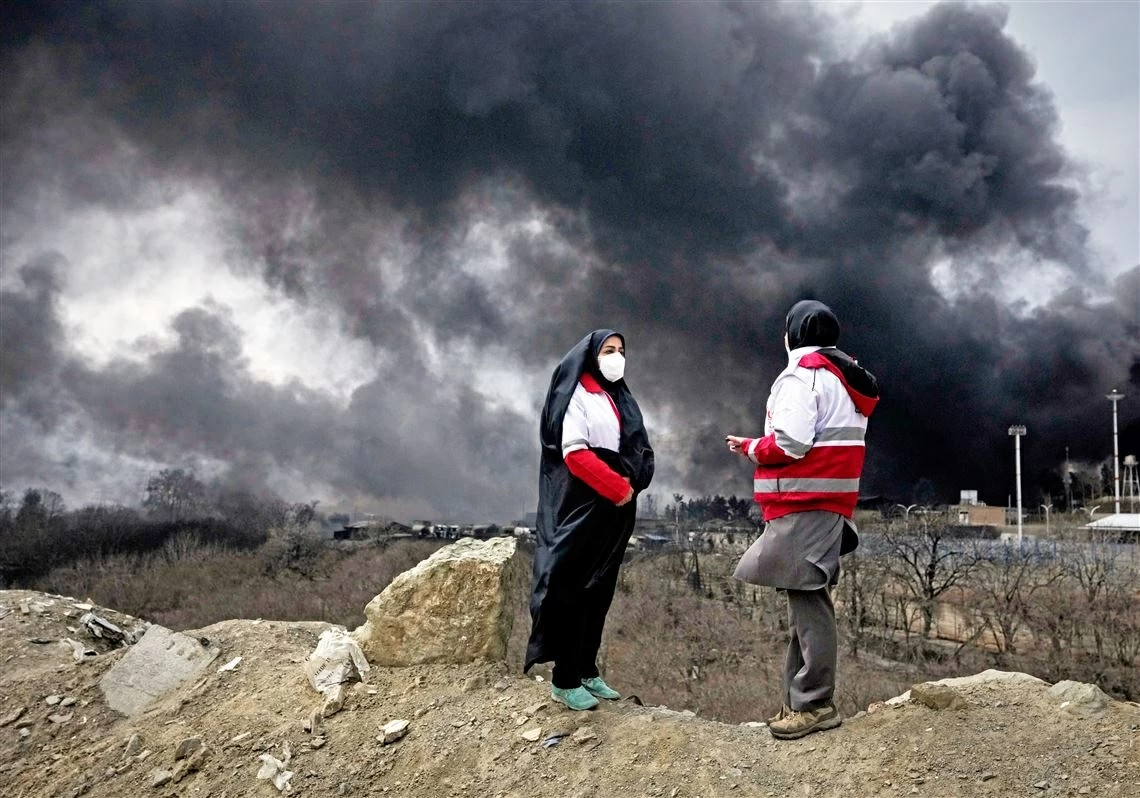
Iran has witnessed a series of violent explosions at the Islamic Revolutionary Guard Corps (IRGC) base in Shiraz, raising concerns across the nation. In this context, the Israeli army announced today (Sunday) the assassination of another prominent leader at the IRGC's oil facility, reflecting a notable escalation in Israeli military operations against Iran.
According to a statement from the Israeli army, Commander Mohammad Reza Ashrafi Kahi, responsible for commercial affairs at the oil facility, was killed during airstrikes targeting the Tehran area on Friday. The army indicated that the oil facility plays a crucial role in supporting the military activities of the IRGC, as well as enhancing the capabilities of its regional allies such as Hezbollah and the Houthis through revenues generated from oil sales.
Details of the Incident
In recent days, the Israeli army also reported the killing of another commander at the oil facility of the Iranian armed forces, which is considered the economic arm of the IRGC. This military escalation comes at a sensitive time, as tensions between Iran and Israel are rising, amid fears of an escalating conflict in the region.
On another front, the Deputy Governor of Khuzestan, Veli Allah Hayati, reported that Qassem Soleimani Airport was targeted in an airstrike carried out by American and Israeli forces. Iranian sources also reported the deaths of five individuals in shelling that targeted areas in Isfahan, intensifying the security tensions in Iran.
Background & Context
Historically, relations between Iran and Israel have been marked by ongoing tensions, with Israel viewing Iran as a major threat to its national security. These tensions have significantly increased in recent years, particularly with the rise of Iranian military activities in the region and its support for armed groups such as Hezbollah and the Houthis.
These events occur within the framework of a broader regional conflict, where both Iran and Israel seek to enhance their influence in the Middle East. These dynamics have led to a continuous escalation in military operations, threatening stability in the region.
Impact & Consequences
These events underscore the rising military tensions in the region, as Israeli airstrikes could provoke reactions from Iran or its allies, increasing the likelihood of a wider conflict. Additionally, the assassination of prominent IRGC leaders may impact Iran's military and economic strategies.
Furthermore, these developments could affect relations between Iran and Western countries, especially in light of ongoing discussions regarding Iran's nuclear program. Western nations may seek to reassess their strategies towards Iran in light of these rapidly unfolding events.
Regional Significance
These developments are particularly significant for Arab countries, as they may lead to increased tensions in the region. Some Arab nations may find themselves in a precarious position, needing to balance their relations with both Iran and Israel.
Moreover, the military escalation in Iran could impact regional security, raising concerns about the outbreak of new conflicts in the area. Arab countries must be cautious in navigating these changing dynamics and strive to enhance regional cooperation to maintain stability.
In conclusion, these events represent a significant shift in the security landscape of the Middle East, necessitating close monitoring by all concerned parties.