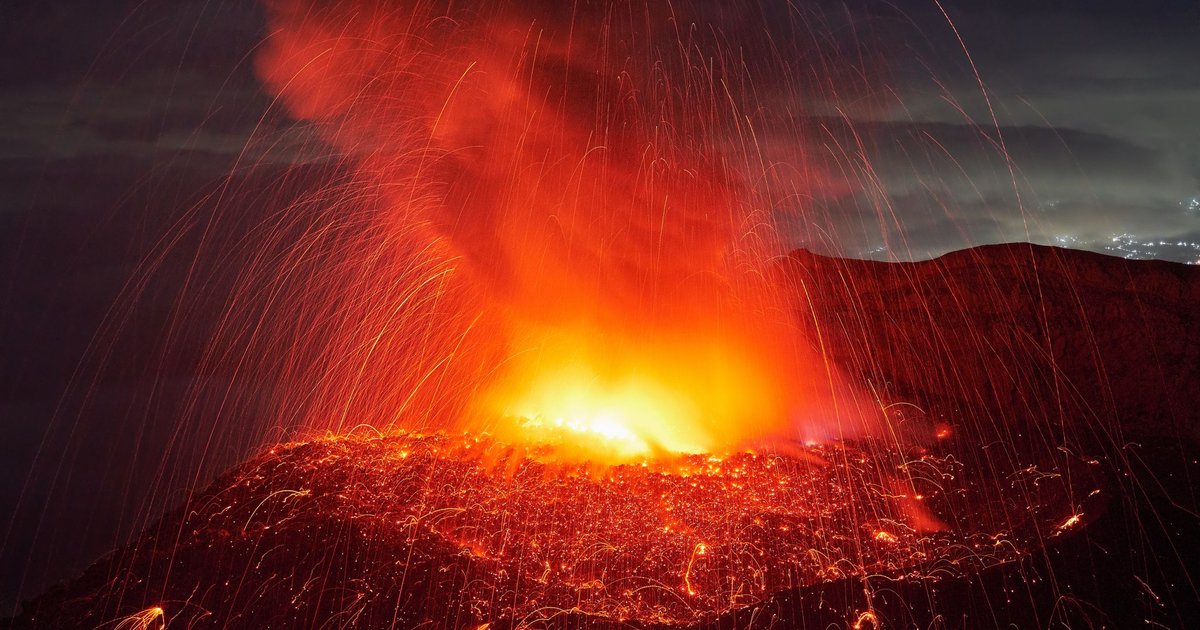
The Semeru volcano, which rises 3676 meters above sea level, witnessed nine powerful eruptions on Saturday, with explosion heights ranging between 600 and 1000 meters above its summit. The first eruptions were recorded at 00:07 local time, with a column of white and gray ash observed drifting southward.
As the eruptions continued, the highest explosion was recorded at 05:19, with the ash column reaching 1000 meters, marking the eighth explosion. Officials from the Semeru Volcano Monitoring Center indicated that the ninth explosion occurred at 06:22, with the column height reaching 700 meters above the summit.
Details of the Eruptions
The volcanic activity at Semeru persisted, with 17 volcanic tremors recorded between 00:00 and 06:00, measuring between 12 and 22 mm. The tremors lasted between 56 and 112 seconds. This increased activity reflects the volcano's status, which has been classified at level three (alert), necessitating precautionary measures by local authorities.
Authorities have advised residents to avoid approaching the areas surrounding the volcano, particularly in the southeastern sector, which is 13 kilometers from the summit. Residents have also been warned to stay at least 500 meters away from nearby riverbanks due to the potential risk of fires or pyroclastic flows.
Background & Context
Semeru is one of Indonesia's most prominent active volcanoes, located on the border between the Lumajang and Malang districts. The volcano has experienced several eruptions in recent years, making it a subject of research and study by scientists. Indonesia, situated on the Pacific Ring of Fire, is renowned for its seismic and volcanic activity, hosting over 130 active volcanoes.
Historically, Semeru has witnessed several devastating eruptions, the most notable being in 2021, which resulted in numerous fatalities and the destruction of many homes. These events highlight the importance of continuous monitoring and preparedness for natural disasters.
Impact & Consequences
Volcanic eruptions pose a significant threat to local populations, potentially leading to evacuations and property destruction. Additionally, volcanic ash can affect air quality and disrupt air travel. Therefore, the warnings issued by local authorities are crucial for protecting lives and property.
Moreover, volcanic activity may impact the local economy, particularly in agriculture and tourism. Eruptions can destroy crops and reduce the number of tourists visiting the area.
Regional Significance
While Semeru is thousands of kilometers away from the Arab world, such natural events remind us of the importance of preparedness for disasters. Natural disasters do not recognize borders and can affect the global economy and the prices of essential goods.
In conclusion, Arab countries should enhance their strategies for managing natural disasters and collaborate with other nations to share knowledge and expertise in this field.