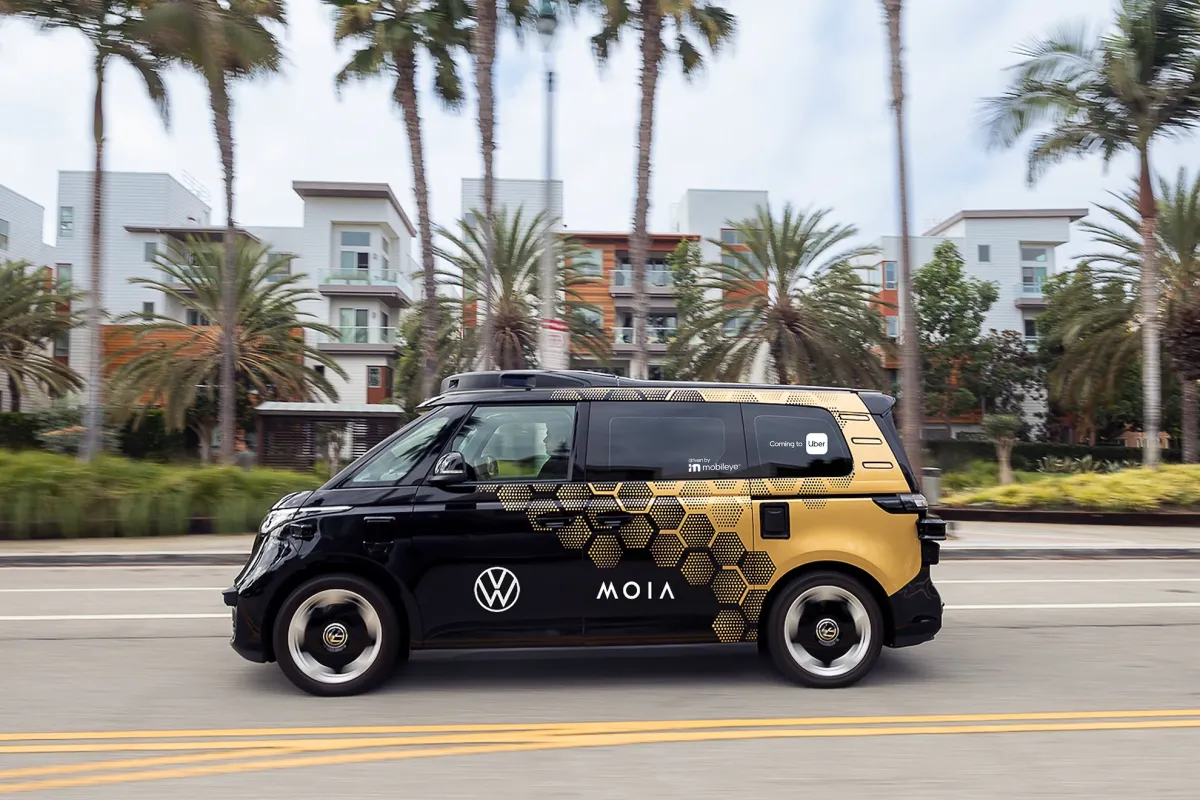
Volkswagen, through its MOIA America branch, has announced the start of testing its self-driving buses in Los Angeles. This initiative is part of the company's preparations to launch a self-driving taxi service in collaboration with Uber, despite facing regulatory challenges.
With this step, Volkswagen aims to strengthen its position in the self-driving transportation market, as Los Angeles serves as a strategic launch point attracting numerous tech companies. The new buses are designed to provide a safe and efficient transportation experience, reflecting the global trend towards innovation in transportation.
Testing Details
The tests being conducted by Volkswagen in Los Angeles include a variety of everyday life scenarios, where the performance of the self-driving buses is evaluated under diverse traffic conditions. These tests are expected to continue for several months before the company can offer the service commercially.
Despite technological advancements, MOIA America faces significant regulatory challenges before launching the service. Obtaining the necessary permits from government authorities is a lengthy process. Nevertheless, the company expresses optimism about overcoming these obstacles.
Background & Context
Volkswagen is considered one of the leading companies in the automotive industry and has invested heavily in developing self-driving technologies. In recent years, there has been a notable increase in interest from companies in self-driving car technology, with major players like Tesla and Uber seeking to provide innovative solutions in this field.
Historically, Los Angeles has been a hub for innovation in the automotive industry, witnessing numerous successful trials in self-driving transportation. With growing environmental awareness, the need for more sustainable transportation options has become urgent, enhancing the importance of these tests.
Impact & Consequences
If Volkswagen succeeds in launching its self-driving taxi service, it could have a significant impact on the transportation market in the United States. This service is expected to contribute to reducing traffic congestion and lowering carbon emissions, aligning with global environmental goals.
Furthermore, this move could change the way individuals commute, as self-driving cars may become an essential part of daily life, opening up new job opportunities in this sector.
Regional Significance
In the Arab region, self-driving car technology could have positive impacts on the transportation sector. With increasing population and traffic congestion in major cities, this technology could help improve quality of life. Additionally, investment in this field may attract global companies to the region, boosting economic growth.
In conclusion, Volkswagen's step to test its self-driving buses in Los Angeles marks a new beginning in the world of transportation. As technological advancements continue, there is hope for a transformative shift in how individuals commute in the future.