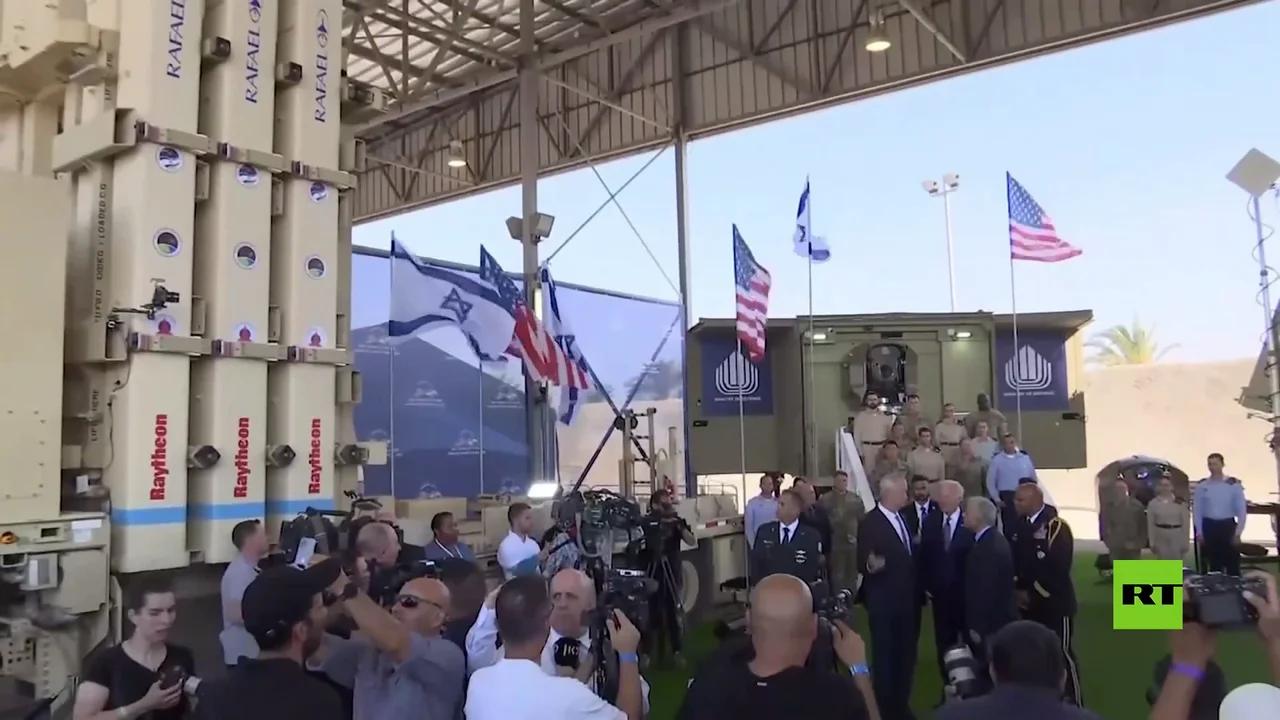
According to the Financial Times on Tuesday, the German company Volkswagen, one of the largest automobile manufacturers in the world, is engaged in serious discussions to shift the production of one of its factories from cars to missile defense systems associated with the Iron Dome. This move comes at a time when the demand for advanced defense systems is increasing due to rising geopolitical tensions.
The Iron Dome is considered one of the most prominent missile defense systems globally, developed to counter short-range missile threats. It has proven effective in various conflicts, increasing the importance of its continuous development and modernization.
Details of the Transition
Volkswagen is conducting these talks as part of its efforts to adapt to rapid changes in the global market. Reports indicate that the company is considering restructuring its production operations to meet new needs in the defense sector. This shift may require significant investments in technology and training, reflecting the company’s commitment to adapting to global changes.
This step comes at a time when the world is witnessing an escalation in military tensions, particularly in the Middle East. As security threats increase, major companies like Volkswagen may find opportunities to enter the defense market, which is one of the most profitable sectors.
Background & Context
Founded in 1937, Volkswagen has since become one of the leading names in the automotive industry. However, the company has faced significant challenges in recent years, including the diesel emissions scandal that affected its reputation and profits. In this context, the shift to producing defense systems appears to be an attempt to rebuild trust and explore new markets.
The Iron Dome is a product of collaboration between Israel and the United States, developed in the early 2000s. Its effectiveness in intercepting missiles has made it a model for modern defense systems.
Impact & Consequences
If Volkswagen successfully converts one of its factories to produce defense systems, it could lead to a significant change in the company’s strategy. This shift may open new doors in the defense market, which is experiencing notable growth. Additionally, this decision could impact the automotive industry as a whole, as other companies may follow suit.
This transition is likely to create new job opportunities in technology and engineering fields, potentially contributing to the enhancement of the local economy in the areas where the company will restructure its factories.
Regional Significance
This shift in Volkswagen's strategy is part of a broader trend towards enhancing defense capabilities in the region. Amid ongoing tensions in the Middle East, Arab countries may find themselves needing to update their defense systems, opening the door for companies like Volkswagen to provide innovative solutions.
This transformation may also reflect the interest of Western companies in expanding their operations in Arab defense markets, potentially enhancing cooperation between Arab nations and global companies.
In conclusion, Volkswagen's decision to convert one of its factories to produce defense systems is a bold step that reflects changes in the global market. As the demand for advanced defense systems increases, major companies may find new opportunities for growth and expansion.