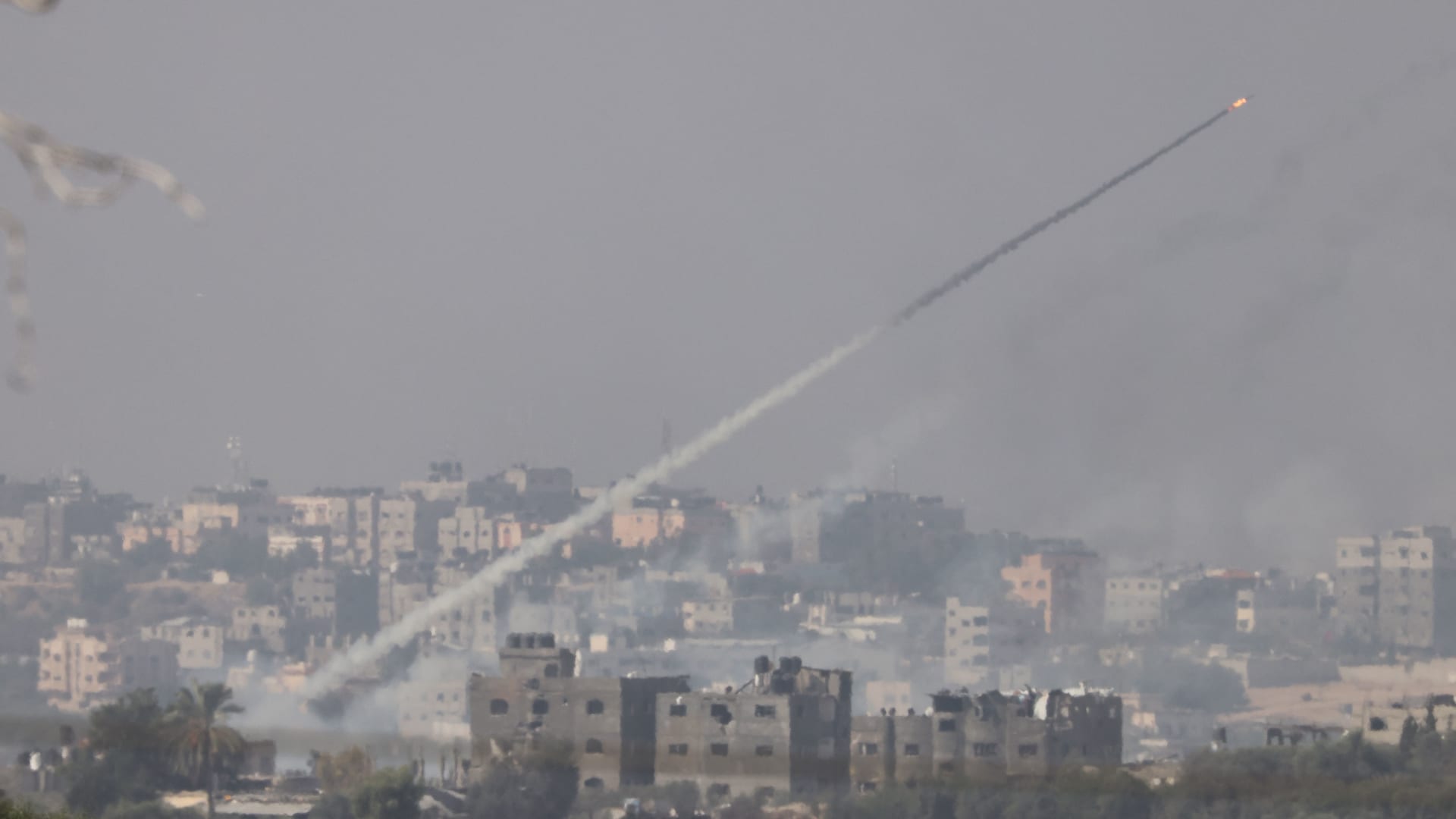
Volkswagen is set to convert its Osnabrück plant to produce components for the Iron Dome system, aiming to save thousands of jobs amid significant economic challenges. This shift comes at a critical time as the company faces increasing pressure to maintain its sustainability.
The Osnabrück plant is one of Volkswagen's historic factories, employing thousands of workers. As demand for traditional cars declines, the company is exploring new areas to ensure its market continuity. The transition to producing Iron Dome components represents a bold attempt to confront the economic challenges facing the company.
Details of the Transition
The conversion plan involves producing components for the Iron Dome system, an advanced defense system used in Israel to intercept missiles. Although this move may seem unconventional for an automotive company, management hopes it will create new job opportunities and generate additional revenue. However, the project faces significant challenges, including the need for substantial investments and training workers in new technologies.
This step comes at a time when Volkswagen is experiencing substantial financial pressures, with declining sales in European markets. The company also faces fierce competition from electric vehicle manufacturers that are gaining popularity. Therefore, the shift to military component production could serve as a lifeline for the company under these difficult circumstances.
Background & Context
Founded in 1937, Volkswagen has become one of the largest automobile manufacturers in the world. However, the company has faced numerous crises over the years, including the diesel emissions scandal in 2015. These crises have prompted the company to reevaluate its strategies and future directions.
In recent years, Volkswagen has begun investing more resources in developing electric vehicles, but the transition to this sector requires time and significant costs. Thus, the idea of converting the Osnabrück plant to produce military components may be a means to generate quick revenue, but it also raises questions about the company's future and its strategic direction.
Impact & Consequences
If Volkswagen succeeds in implementing this transition, it could have a significant impact on the job market in Osnabrück. This project could lead to the creation of new job opportunities, but it may also spark controversy regarding the role of large companies in military industries. Furthermore, this shift could open the door for other companies in the industrial sector to explore new areas for business expansion.
On the other hand, this transition may strain relations between Germany and other countries, especially amid ongoing discussions about arms exports. Therefore, Volkswagen will need to handle this issue carefully to ensure it does not negatively affect its reputation.
Regional Significance
Considering the situation in the Arab region, this transition may have indirect effects. With increasing tensions in some Arab countries, the demand for defense systems like the Iron Dome may rise. Consequently, Volkswagen may find an opportunity to expand its operations into new markets, but it must be aware of the political and ethical challenges associated with this field.
In conclusion, the project to convert the Osnabrück plant represents a bold step by Volkswagen in facing economic challenges. However, the success of this project depends on the company's ability to manage the associated risks and meet the changing market needs.