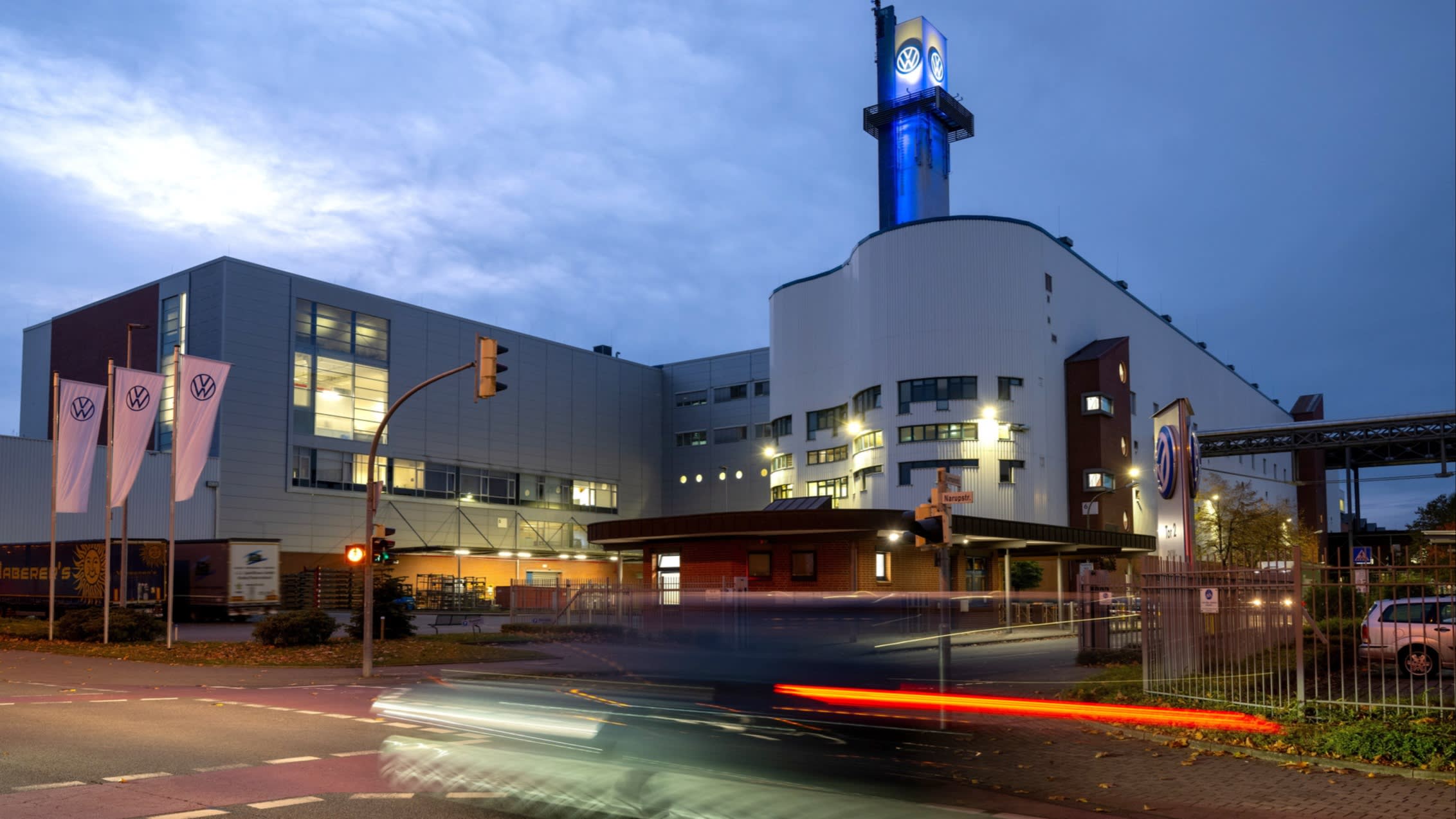
Volkswagen, the German automotive giant, has announced a strategic shift in its operations by collaborating with Israel's Rafael Advanced Defense Systems. This partnership aims to transform Volkswagen's plant in Osnabrück into a center for missile defense production, a move designed to save around 2,300 jobs within the company.
This initiative comes in light of the economic challenges facing Volkswagen, as the company seeks to adapt to changes in the global market, particularly with the decline in demand for traditional vehicles. This transformation reflects the company's desire to explore new areas that ensure its sustainability and growth in the future.
Details of the Partnership
The partnership between Volkswagen and Rafael involves the development of advanced missile defense systems, highlighting the company's interest in expanding its operations into the defense sector. This collaboration was announced at a time when Europe is witnessing an increase in defense spending, particularly following rising geopolitical tensions in the region.
The Osnabrück plant is one of Volkswagen's main facilities, previously focused on car manufacturing. The shift to defense production is expected to require significant investments in technology and training, which will contribute to creating new job opportunities in this sector.
Background & Context
Founded in 1937, Volkswagen is one of the largest automotive manufacturers in the world. However, the company has faced significant challenges in recent years, including the diesel emissions scandal that impacted its reputation and profits. Under these circumstances, it has become essential for the company to seek new areas for growth.
On the other hand, Rafael is one of the leading defense companies in Israel, offering a wide range of advanced defense systems. The company has seen notable growth in recent years, making it an attractive partner for Volkswagen in this transition.
Impact & Consequences
This transition represents an important step for Volkswagen, potentially opening new avenues in the defense market, which is experiencing increasing growth. Additionally, this move may enhance cooperation between European and Israeli companies in the fields of technology and defense.
Despite the potential benefits, this transition may face challenges, including the need to retrain the current workforce and develop new skills that align with the requirements of the defense industry. This collaboration may also raise questions about the relationship between civilian and military sectors in Europe.
Regional Significance
This development occurs within the context of geopolitical changes in the region, where the importance of defense technology is growing amid escalating tensions. The collaboration between Volkswagen and Rafael could impact military balances in the region, especially given the increasing competition between Arab states and Israel.
Moreover, this partnership may open opportunities for Arab countries to benefit from advanced defense technology, potentially enhancing their military capabilities. However, this must be approached cautiously, considering the political and security challenges facing the region.
In conclusion, Volkswagen's shift from car manufacturing to missile defense represents a bold step reflecting changes in the global market. As geopolitical tensions continue, this collaboration may have far-reaching effects on the defense industry in Europe and the Arab region.