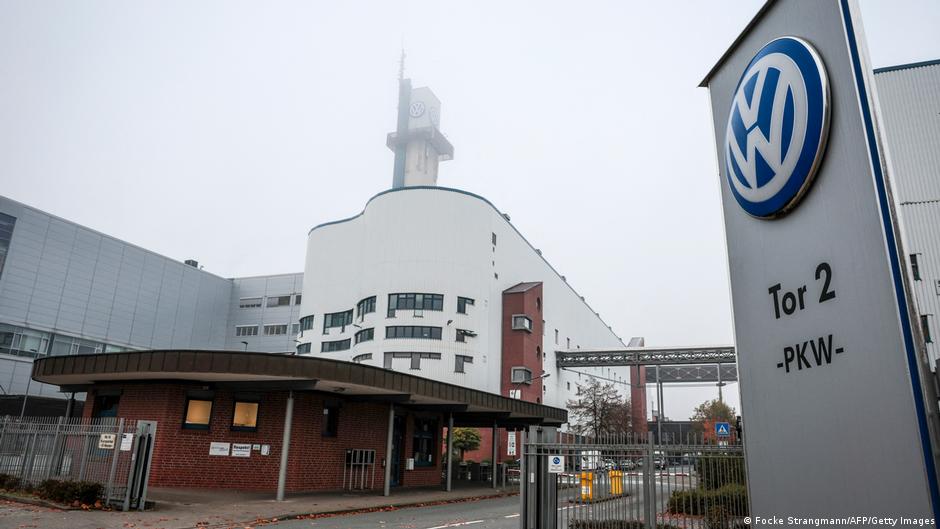
Reports have emerged that German automaker Volkswagen, one of the largest car manufacturers in the world, is moving towards weapon production by negotiating with Israeli defense company Rafael. This shift comes at a time when the company is facing economic pressures at its plant in Osnabrück, which is set to cease car production by 2027.
According to an exclusive report published by The Financial Times, Volkswagen is seeking to convert its Osnabrück facility into a production site for components for the Israeli air defense system known as the Iron Dome. While a company spokesperson confirmed that weapon production is not part of its future plans, they indicated that the company is exploring viable options under current circumstances.
Details of the Development
This move comes as Volkswagen faces significant challenges, having announced plans to cut its workforce in Germany by 50,000 jobs by 2030. The Osnabrück plant, which currently produces vehicles such as the T-Roc Cabriolet and Porsche Cayman, aims to preserve 2,300 jobs through this potential transition.
The spokesperson for Volkswagen clarified that the company is still looking for ways to continue car production at the plant and has been working on developing new vehicle concepts in recent months. However, the shift to military component production could represent a radical step in the company’s history.
Background & Context
Historically, Volkswagen was involved in the production of vehicles and weapons during World War II, making this production shift raise questions about ethics and history. Since the Russian invasion of Ukraine in February 2022, European defense companies have seen a significant increase in value, prompting governments to boost their military spending.
The German government, despite not having a direct stake in Volkswagen, is seeking to support this transition, as the state of Lower Saxony holds about 12% of the company's shares. This government support could facilitate the transition to the defense sector, which is experiencing notable growth in demand.
Impact & Consequences
If the collaboration between Volkswagen and Rafael is confirmed, it would be a prominent example of how major industrial companies are shifting from their traditional fields to the growing defense sector. This transformation could open doors for other companies in Europe to adopt similar strategies, especially amid the economic pressures they face.
However, there are significant challenges associated with this transition, including the need to retrain workers and meet the security requirements necessary to operate in the defense sector. Experts warn that bureaucracy and lengthy waits for necessary permits could complicate this process.
Regional Significance
This shift in Volkswagen's strategy could have implications for the Arab region, where there is an increasing need for cooperation in defense and technology fields. With rising tensions in the region, Arab countries may seek to enhance their defense capabilities, opening the door for new partnerships with global companies.
In conclusion, this transformation at Volkswagen represents an exciting step in the industrial world, as attention turns to how major companies will respond to economic challenges and political pressures.