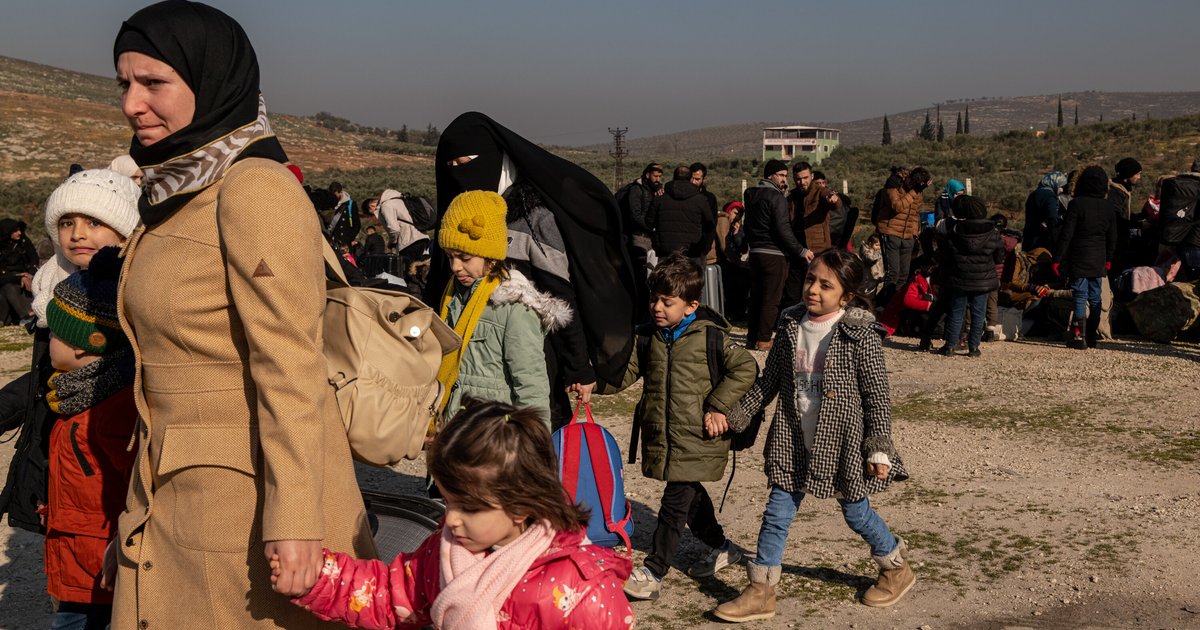
In Germany, calls for the voluntary return of Syrian refugees are increasing, sparking extensive debate among politicians regarding the humanitarian conditions and safety of returning to a war-torn homeland. Syrian refugees face difficult choices, as opinions vary on the feasibility of returning under current circumstances.
The German government is seeking to encourage the voluntary return of refugees, as this initiative is part of the country's immigration and asylum policy. However, conditions in Syria, which continue to suffer from the effects of ongoing conflict, raise numerous concerns about the safety of returnees and their ability to rebuild their lives there.
Details of the Initiative
The German government has announced programs aimed at supporting the voluntary return of Syrian refugees, which include financial assistance and facilitation of return procedures. However, this program faces criticism from some politicians and humanitarian organizations, who argue that conditions in Syria remain unsuitable for return, and that many refugees may face significant risks upon their return.
Reports indicate that many Syrian refugees in Germany are anxious about returning, as the security situation in many Syrian regions is still unstable. Additionally, the lack of basic services and the destruction of infrastructure complicate the decision to return.
Background & Context
The Syrian refugee crisis is considered one of the largest humanitarian crises of the 21st century, with millions of Syrians fleeing their country since the outbreak of conflict in 2011. Germany, as one of the leading European countries, has welcomed a large number of these refugees, with approximately 1.5 million refugees residing in the country.
While many refugees have found new opportunities for life in Germany, returning home remains a viable option. However, the conditions in Syria, including difficult economic situations and security threats, make returning a risky choice.
Impact & Consequences
Voluntary return initiatives raise questions about their impact on the Syrian community within the country. If a large number of refugees decide to return, it could lead to increased pressure on the limited resources in Syria, potentially exacerbating the humanitarian situation there.
Moreover, these initiatives may affect domestic politics in Germany, as opinions vary on how to handle immigration and asylum issues. Political pressures may lead to changes in refugee-related policies, impacting their future in the country.
Regional Significance
The issue of Syrian refugees is part of a larger crisis affecting the Arab region. The return of refugees could contribute to the rebuilding of Syria, but it requires political and security stability, which remains elusive.
This issue also highlights the importance of regional and international cooperation in addressing humanitarian crises, as neighboring countries to Syria need greater support to cope with the repercussions of the conflict.
In conclusion, the choices facing Syrian refugees in Germany between staying and returning are complex, as humanitarian, political, and social dimensions intertwine in this decision. There remains hope that conditions in Syria will improve, allowing refugees to return to their homeland safely.