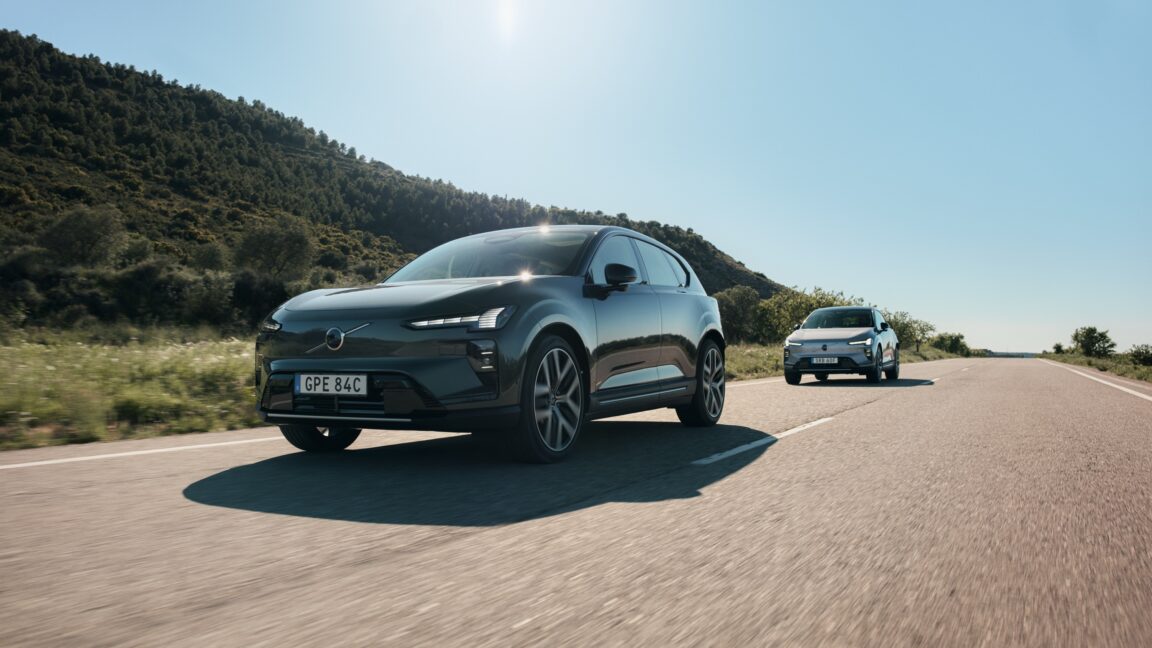
Volvo has been granted the green light from the US government to bypass the ban on connected cars from China, a decision that allows the company to continue offering advanced technologies in its vehicles. This ban, which is set to take effect from the 2027 model year, was originally imposed during President Joe Biden's administration and reaffirmed by former President Donald Trump.
As one of the leading companies in the automotive industry, Volvo aims to strengthen its presence in the US market by offering connected cars that enable users to benefit from artificial intelligence and internet connectivity. This decision reflects the new direction of the US government towards fostering innovation in the automotive sector, despite ongoing trade tensions with China.
Details of the Approval
The US government's approval comes at a critical time, as many companies are striving to adapt to changes in trade policies. Volvo, with its long history of innovation, hopes this decision will allow it to provide connected cars that meet the needs of consumers in the United States. The imposed ban aimed to protect the domestic industry, but it appears that the US government has recognized the importance of innovation and technology in this sector.
This move is expected to impact many other companies that rely on connected technologies, potentially opening doors for increased collaboration between the US and China in the technology field. Additionally, this decision may encourage other companies to submit similar requests for exemptions from the ban.
Background & Context
Historically, trade relations between the US and China have been fraught with challenges, marked by numerous tensions due to trade policies. In recent years, the US government has taken stringent measures against Chinese companies, leading to bans on certain products and technologies. However, innovation in connected vehicles is seen as a vital area that requires cooperation between nations.
Volvo is not the only company seeking to navigate these challenges, as many global firms are trying to adapt to the changing business environment. Under these circumstances, it seems the US government is attempting to strike a balance between protecting the domestic industry and promoting innovation.
Impact & Consequences
This decision could have significant implications for the automotive industry, potentially increasing competition between American and Chinese companies. Allowing Volvo to bypass the ban may encourage other companies to introduce advanced technologies, which could enhance user experience and expand options available to consumers.
Moreover, this decision could foster collaboration between American and Chinese companies in the technology sector, contributing to the development of new technologies that benefit both sides. At the same time, the US government must be cautious in managing these relationships to ensure that they do not negatively impact the domestic industry.
Regional Significance
In the Arab region, this decision may have indirect effects on the automotive market. With the growing interest in connected technology in vehicles, Arab companies may seek to import these technologies to enhance their fleets. Additionally, collaboration between Arab companies and global firms in this field could open new avenues for investment and development.
In conclusion, the US government's decision regarding Volvo reflects new trends in the connected automotive industry and highlights the importance of innovation in enhancing trade relations between countries. Amid ongoing changes in this sector, Arab companies must be prepared to seize these opportunities.