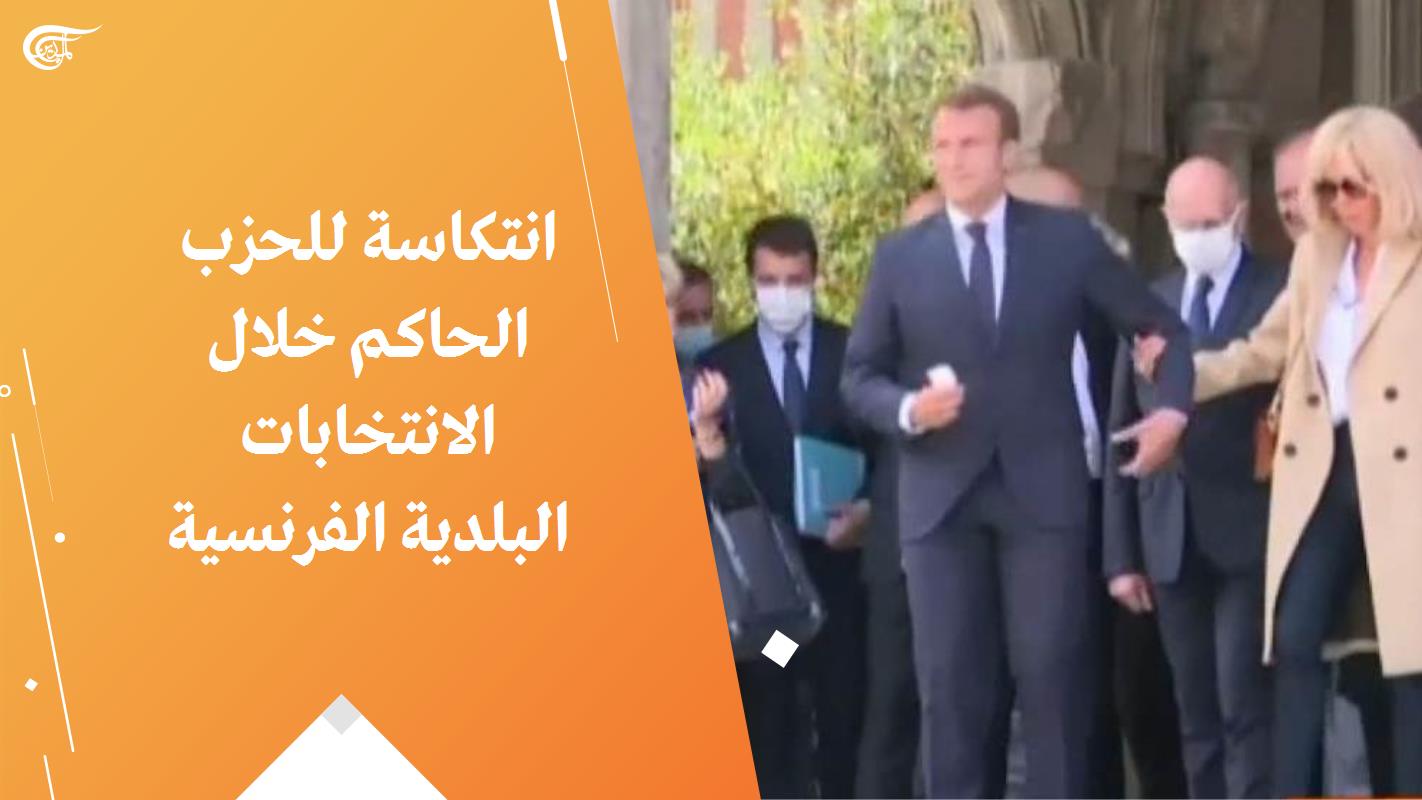
The municipal elections in France for the 2026 season recorded a voter participation rate of 48.1% by 5 PM, reflecting the significance of the elections on the local political scene. In comparison, the participation rate during the first round of elections at the same time last year was 48.9%. Most polling stations in 1,526 municipalities are expected to close by 6 PM, while some stations in major cities like Paris, Marseille, and Lyon will extend their hours until 10 PM to allow more voters to participate in the voting process.
In related events, independent political forces achieved noticeable victories in the Grand Nouméa region of New Caledonia, reflecting a shift in political trends in this area. This success aligns with the political transformations that New Caledonia has undergone over the decades, as the region has long been a center of identity conflict between pro-independence and non-independent forces.
To provide some background on the political situation in New Caledonia, it is important to note that the region was a French colony and still grapples with questions about its national identity after decades of conflict. In recent years, calls for independence from France have increased, but current results suggest that political trends may be shifting.
The implications of these elections are not limited to New Caledonia alone; they could also affect other French regions, as voters express their preferences through the ballot box. Local elections are seen as a test of national policies and active political parties, prompting some observers to suggest that these elections could influence electoral strategies in the upcoming parliamentary elections.
In a broader context, Arab countries should view these elections as an opportunity to understand political dynamics and social changes in other regions around the world. The emerging trends of independent parties may indicate a development in the political awareness of the French citizen, which could serve as an inspiration in Arab contexts.
The French elections can be seen as evidence of how peoples express their opinions through local elections, a challenge many Arab countries face, where electoral processes occur under political and complex pressures. The Arab community must strive for greater political participation by establishing the foundations of democracy in local government formation, as is the case in France.