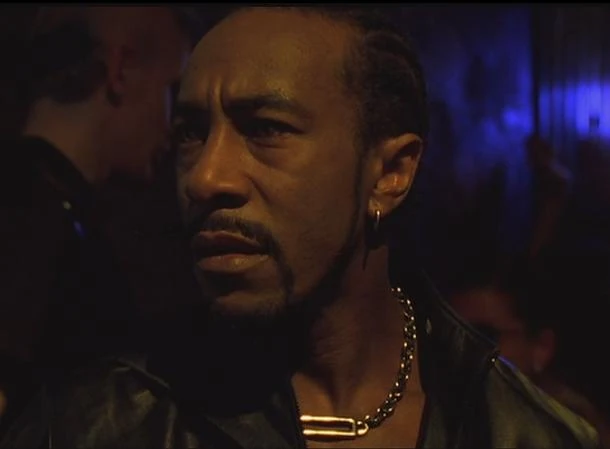
In an exciting move, artist Wael Abdel Aziz has addressed the audience of artist Mohamed Ramadan, discussing the details of his new film 'Lion', which sheds light on the slave trade in the late 19th century. The film is one of the cinematic works that reflect important historical issues, aiming to provide an artistic vision that showcases the impact of that era on current societies.
Wael Abdel Aziz, who is considered one of the prominent names in the artistic scene, emphasized that the film tackles a sensitive topic and explores various aspects of the slave trade, making it a work of art that deserves to be watched. He also pointed out that the film is not merely an entertainment piece but carries a profound message related to humanity and human rights.
Event Details
The film 'Lion' narrates a complex historical story related to the slave trade, addressing events that occurred in the late 19th century and showcasing how this trade affected the lives of people and communities. Wael Abdel Aziz, who participates in the film, confirmed that through this work, he aims to highlight important humanitarian issues and hopes that the film will spark discussions about human rights and social justice.
The film features a group of prominent stars and is one of the works that the audience eagerly anticipates. Wael Abdel Aziz clarified that the project requires significant effort from all participants, and they strive to deliver a unique cinematic experience.
Background & Context
The slave trade was one of the darkest periods in human history, where millions of people were enslaved and forcibly transported to different regions. This trade not only affected the individuals who were enslaved but also left deep scars on societies and cultures. Through the film 'Lion', the creators aim to revive these painful memories and present them in an artistic way that aligns with modern times.
The film comes at a time when the world is witnessing a growing interest in human rights issues, reflecting the desire of artists to address historical topics that may be painful but are essential for understanding the present and future.
Impact & Consequences
The film 'Lion' is expected to generate widespread debate about human rights and the slave trade, as it may contribute to raising awareness about these issues. Additionally, the film could open the door for discussions on how history influences current societies and how art can play a role in addressing these issues.
The film may also contribute to enhancing dialogue between different cultures, encouraging reflection on how to deal with the legacy of the past and how communities can overcome the effects of these dark periods.
Regional Significance
The film 'Lion' arrives at a sensitive time for the Arab region, where calls for social justice and human rights are increasing. By addressing the topic of the slave trade, the film can help raise awareness about similar issues occurring in the region today, such as migration, asylum, and discrimination.
Art, as a means of expression, can have a significant impact on shaping public opinion; thus, the film 'Lion' may play a role in stimulating discussions about human rights in the Arab world.
In conclusion, the film 'Lion' remains an artistic work expected to leave a mark in Arab cinema, reflecting the challenges faced by societies in understanding their history and overcoming its effects.