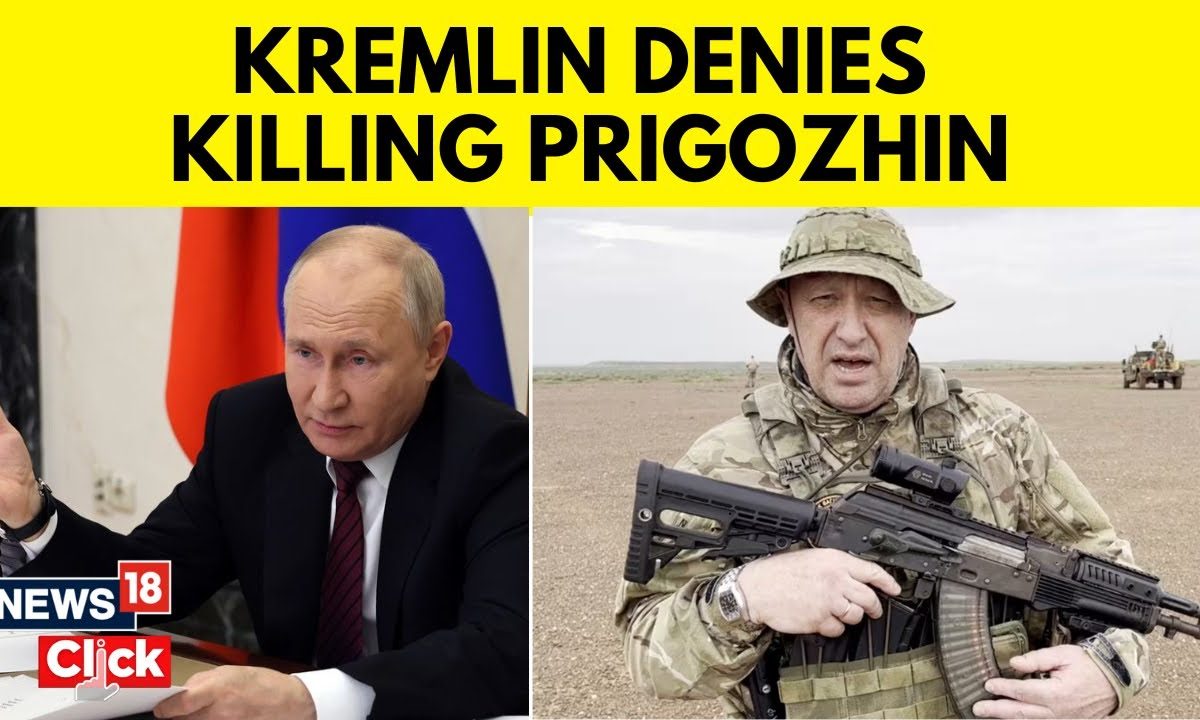
A crash of a Wagner Group military aircraft in Russia resulted in the deaths of 10 individuals, including the group's leader, Yevgeny Prigozhin. The incident occurred in the Tver region, northwest of Moscow, where the aircraft was on a domestic flight when it fell for reasons that are still under investigation.
The Wagner Group is considered one of the most prominent private military companies in Russia and has played a significant role in conflicts in Syria, Africa, and Ukraine. Prigozhin's death raises questions about the future of the group and its influence on Russian politics.
Details of the Incident
The aircraft, an Embraer Legacy 600, was carrying 7 passengers and 3 crew members. According to initial reports, the plane was on a flight from Moscow to Saint Petersburg when it lost contact with air traffic control. The crash occurred in a forested area, complicating rescue efforts.
Russian authorities have launched an investigation into the incident, with rescue teams dispatched to the crash site. The Russian Ministry of Emergency Situations confirmed that all those on board the aircraft had perished.
Background & Context
The Wagner Group was established in 2014 and has been closely linked to Russian military operations in Ukraine and Syria. The group has sparked widespread controversy due to its combat methods and use of mercenaries. Prigozhin, known as “Putin’s Chef”, was a controversial figure in Russia, playing a significant role in enhancing the group's influence on the international stage.
Recently, Wagner experienced an internal split following a rebellion led by Prigozhin against Russian military leadership last June. This incident may open the door for radical changes in the group's structure and its influence in both Russian and international arenas.
Impact & Consequences
The death of Prigozhin could lead to a reshaping of the private military landscape in Russia. Wagner has played a pivotal role in numerous conflicts, and its fate is now uncertain. There are concerns that Prigozhin's absence may lead to the disintegration of the group or its transformation into a less influential entity.
This incident may also impact Russia's relations with countries that have cooperated with Wagner, particularly in Africa and the Middle East. Russia may seek to bolster its military presence through other groups or via official means.
Regional Significance
The Wagner Group is a key player in conflicts in the Arab region, especially in Syria. The death of Prigozhin may signal changes in Russian military strategies in the region, potentially affecting the balance of power in ongoing conflicts.
There are also fears that this incident could escalate tensions in relations between Russia and Arab countries that have relied on Wagner for military support.
In conclusion, the plane crash and the death of Prigozhin represent a turning point in the history of the Wagner Group, with wide-ranging implications for Russian military policy and its role in international conflicts.