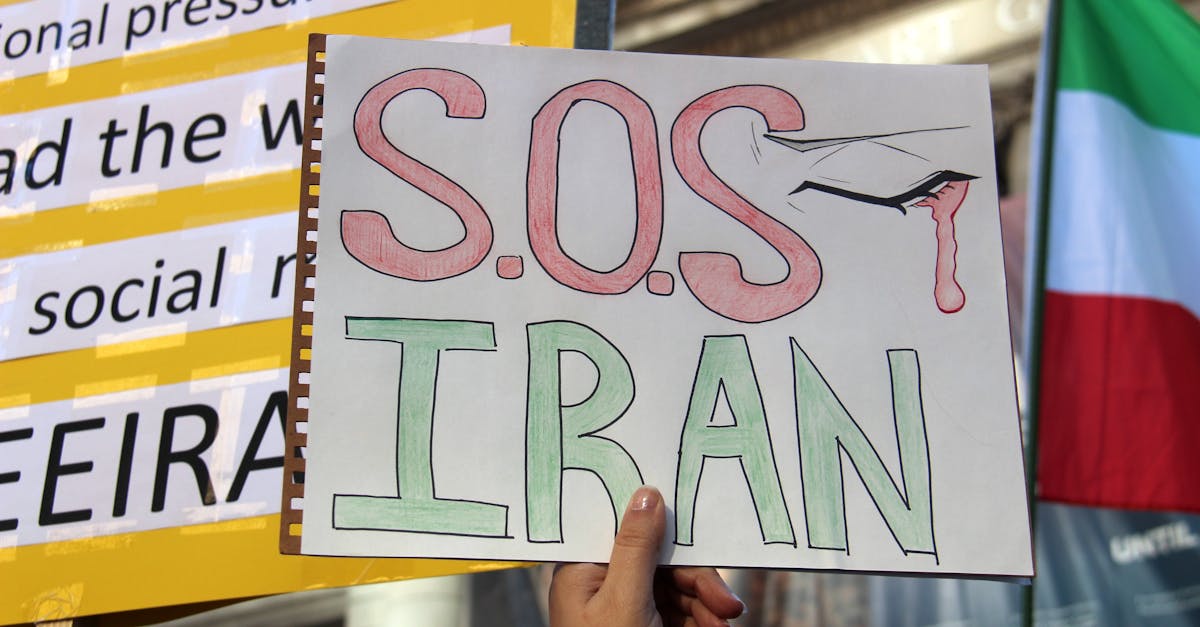
Wall Street indices have experienced a notable decline, with several sectors recording losses as investor caution continues before the deadline set by U.S. President Donald Trump regarding Iran. This downturn reflects increasing anxiety about the effects of U.S. policies on global markets.
As financial markets await any new developments related to U.S. policy toward Iran, American stocks have seen a significant drop, with indices such as the Dow Jones and Standard & Poor's 500 declining. This comes amid rising reports about the possibility of new sanctions on Iran, which heightens uncertainty in the markets.
Details of the Event
Eyes are currently on the White House, where Trump is expected to announce new decisions regarding the Iranian nuclear agreement. These decisions may include imposing additional sanctions on Tehran, which could significantly impact oil prices and global financial markets.
This decline coincides with reports indicating that investors are taking cautious positions, preferring to wait and see how developments unfold before making new investment decisions. Some analysts have noted that markets may experience further volatility in the coming days.
Background & Context
Historically, relations between the United States and Iran have been tense, especially following Trump's withdrawal from the nuclear agreement in 2018. Since then, the U.S. has imposed a series of sanctions on Iran, significantly impacting the Iranian economy and escalating tensions in the region.
In recent years, financial markets have seen recurring volatility due to these tensions, as investors react to any news related to U.S. policy toward Iran. This interaction reflects the importance of the Iranian situation on the global economy.
Impact & Consequences
Any new decisions made by Trump regarding Iran are expected to affect oil prices, as Iran is one of the largest oil producers in the world. If new sanctions are imposed, this could lead to a rise in oil prices, which would impact the global economy as a whole.
Moreover, these developments could lead to increased geopolitical tensions in the region, potentially affecting stability in the Middle East. Therefore, any changes in U.S. policy toward Iran will have far-reaching implications.
Regional Significance
Arab countries neighboring Iran, such as Iraq and Saudi Arabia, are among those most affected by developments related to U.S. policy toward Tehran. Any escalation in tensions could impact security and stability in these countries, leading to economic and political ramifications.
Additionally, financial markets in Arab countries may experience effects due to fluctuations in oil prices, as many of these nations rely on oil revenues as a primary source of income. Consequently, investors in the region are closely monitoring any new developments.