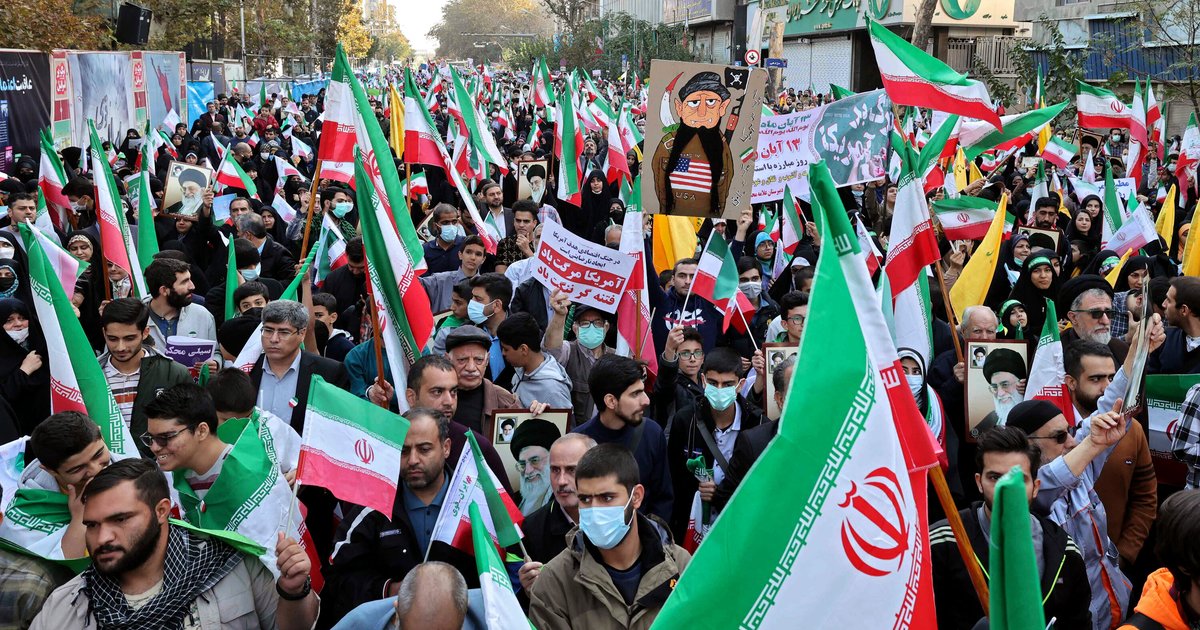
The escalating conflict in Iran has led to a sharp decline in U.S. financial markets, with Wall Street experiencing significant losses. This downturn occurs at a sensitive time for the global economy, raising concerns among investors. As tensions in the region rise, markets have begun to react negatively, resulting in substantial shifts in investor portfolios.
Reports indicate that the war in Iran has exacerbated fears regarding the stability of financial markets, with major stock indices experiencing noticeable declines. Investors on Wall Street have started to reassess their investments, leading to widespread sell-offs. This trend reflects the increasing anxiety over the conflict's impact on the global economy.
Details of the Event
In recent days, Wall Street has witnessed sharp declines, with the Dow Jones Industrial Average dropping by as much as 3%, while the S&P 500 index fell by a similar margin. These declines come amid rising military tensions in the Middle East, with growing fears that the conflict could extend to other countries in the region.
Financial markets are significantly affected by geopolitical events, as investors view military conflicts as leading to economic instability. In this context, some analysts have suggested that this downturn could be the beginning of a potential economic recession, heightening concerns among investors.
Background & Context
Historically, financial markets have been heavily influenced by military conflicts in the Middle East, as this region is a vital hub for oil production. The conflict in Iran is not new, but it has seen a notable escalation recently, impacting oil prices and global financial markets. In recent years, we have observed how any escalation in tensions in the region can lead to rising oil prices, which in turn affects the global economy.
Moreover, international relations play a crucial role in determining market stability. Tensions between Iran and Western countries, particularly the United States, could lead to new sanctions, increasing pressure on the Iranian economy and affecting global markets.
Impact & Consequences
The ramifications of the conflict in Iran could be far-reaching, potentially leading to significant fluctuations in oil prices, which would affect production and transportation costs worldwide. This situation could result in rising prices across various sectors, impacting both consumers and businesses alike.
Furthermore, the decline in financial markets may lead to a loss of confidence among investors, increasing the likelihood of an economic recession. If the conflict persists, we may witness negative effects on economic growth in many countries, putting additional pressure on governments to take swift action.
Regional Significance
For the Arab region, the conflict in Iran could exacerbate security and economic conditions. Neighboring countries may face direct repercussions, as the conflict could lead to an influx of refugees and increased sectarian tensions. Additionally, rising oil prices resulting from the conflict may impact the economies of oil-producing countries in the region.
In conclusion, investors and analysts must closely monitor the situation in Iran, as any new developments could significantly affect global financial markets. Stability in the Middle East is crucial for achieving economic stability worldwide.