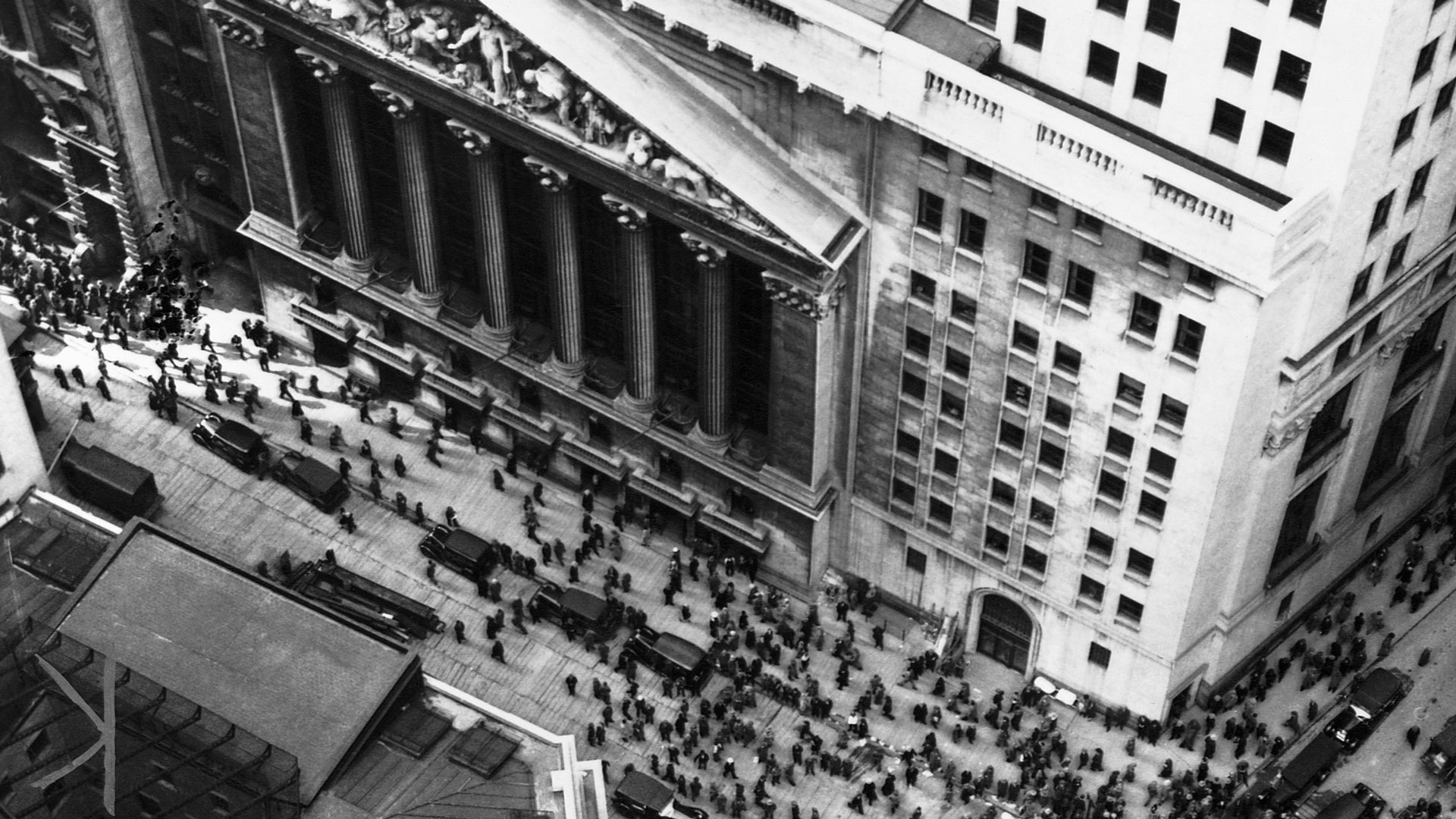
Wall Street experienced its worst closing in six months due to escalating concerns over the conflict in the Middle East. This regional tension has significantly impacted financial markets, leading to a notable decline in stock indices.
The American markets were particularly affected by recent events in the region, with major stock indices witnessing sharp declines. The Dow Jones Industrial Average closed down by 1.3%, while the Standard & Poor's 500 fell by 1.2%, and the Nasdaq 100 dropped by 1.5%.
Details of the Event
These declines come at a sensitive time as tensions in the Middle East escalate, increasing uncertainty in global markets. Reports indicate that investors are turning towards safe-haven assets, such as gold and government bonds, amid these turbulent conditions.
Political statements and military developments in the region are also casting shadows over the markets, as investors closely monitor any developments that could affect price stability and the global economy.
Background & Context
Historically, financial markets have been significantly affected by geopolitical events, especially in the Middle East. Conflicts and disputes in this region often lead to sharp fluctuations in oil prices, which in turn impact the global economy.
In recent years, we have witnessed several events that have led to market declines, such as tensions between the United States and Iran, events in Syria, and the Israeli-Palestinian conflict. These events create a state of uncertainty, prompting investors to adopt more cautious positions.
Impact & Consequences
The repercussions of Wall Street's decline extend beyond the American markets, potentially affecting other global markets. As fears of escalating conflict grow, we may see negative impacts on foreign investments, which could lead to a slowdown in economic growth in several countries.
Additionally, these developments may lead to rising oil prices, putting further pressure on the global economy, especially amid high inflation rates in many countries.
Regional Significance
For the Arab region, the rising tensions in the Middle East could exacerbate economic and social crises. The increase in oil prices can have varied effects, benefiting some oil-producing countries while others suffer from rising energy costs.
The state of political uncertainty may also affect investments in the region, hindering economic development efforts and increasing unemployment rates.
In conclusion, financial markets remain under significant pressure due to geopolitical tensions, necessitating that investors and analysts closely monitor developments. Understanding these dynamics can aid in making wiser investment decisions under current circumstances.