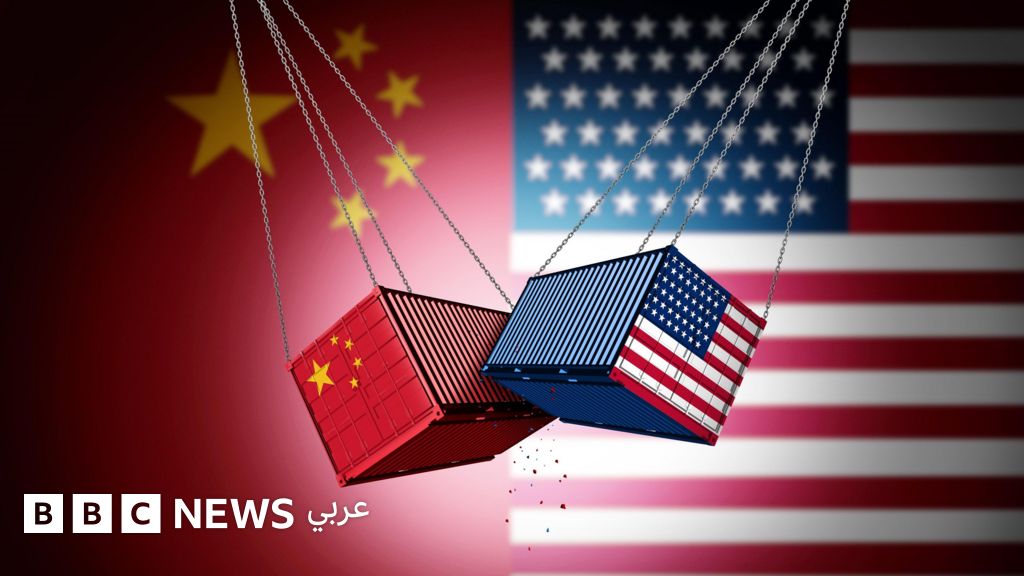
Global business surveys reveal initial signs of simultaneous shocks due to the war in Iran, with economies facing a decline in growth momentum and rising prices. These developments come at a sensitive time for the global economy, which is striving to recover from the COVID-19 pandemic.
Reports confirm that the war in Iran has exacerbated economic crises in many countries, directly affecting global trade flows and commodity prices. Data indicates that companies across various sectors are experiencing increasing pressures, threatening economic stability in numerous regions.
Details of the Event
According to business surveys, a notable decline in economic activity has been observed in several countries, with data showing that companies are struggling to adapt to changing conditions. Additionally, raw material prices have risen significantly, increasing production costs and impacting profit margins.
Concerns are growing that these shocks may lead to economic recessions in some countries, as major financial institutions predict a slowdown in global economic growth. Economists have indicated that these conditions may persist for an extended period, complicating recovery efforts.
Background & Context
Historically, the region has witnessed numerous conflicts that have significantly impacted the global economy. The war in Iran is not the first, as previous conflicts have led to fluctuations in oil and commodity prices. In recent years, we have seen the effects of the wars in Syria and Yemen on regional and international markets.
Iran is a key player in the global oil market, and any disruptions in this country directly affect global prices. Other regional conflicts also play a role in complicating the economic situation, increasing uncertainty in the markets.
Impact & Consequences
Forecasts suggest that the impact of the war in Iran may extend for several months, potentially exacerbating economic crises in developing countries. Nations that heavily rely on imports from Iran or those with close trade ties may be particularly affected.
Moreover, rising prices could lead to increased inflation in many countries, placing additional pressure on governments to address economic crises. At the same time, these conditions may lead to increased poverty and unemployment in some areas, heightening social tensions.
Regional Significance
For Arab countries, the impact of the war in Iran could be significant, especially in Gulf states that rely on oil as a primary source of revenue. The increase in oil prices may improve the financial situation for some countries, but it could also lead to rising costs in others.
Furthermore, regional conflicts may exacerbate humanitarian crises in some Arab nations, necessitating urgent responses from the international community. Arab countries must work together to confront these economic and social challenges.
In conclusion, it is evident that the war in Iran has far-reaching implications for the global economy, requiring nations to take proactive steps to adapt to these changing conditions. Regional and international cooperation will be essential to mitigate the effects of these crises on people.