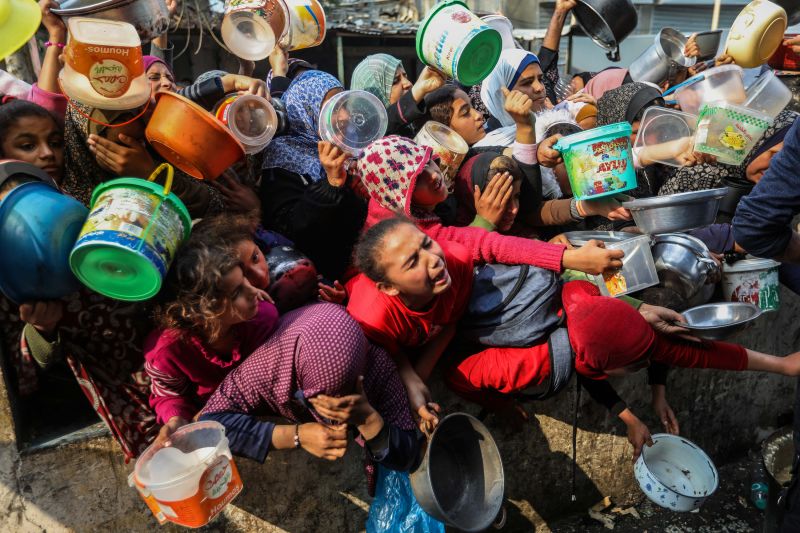
Humanitarian organizations, including the United Nations World Food Programme, have warned that the ongoing war in the Middle East is negatively impacting food aid delivery, threatening vulnerable communities suffering from hunger and food insecurity. The United Nations has confirmed that around 70,000 tons of food aid have been affected, which is sufficient to feed more than 800,000 people for three months.
This crisis comes at a critical time, as many countries are facing humanitarian crises, including Yemen, Syria, Lebanon, and the Palestinian territories, which heavily rely on food aid to support their populations affected by conflict and economic instability.
Details of the Situation
Corinne Fleischer, head of supply chain at the World Food Programme, reported that the current disruptions in the supply chain are the most significant since the onset of the COVID-19 pandemic and the war in Ukraine. Some supplies have been hindered at ports, leading to increased shipping costs, with prices rising by 70% to 300% due to ship rerouting and insurance costs.
Air freight costs have also surged by 50% to 70% due to increased demand and rising fuel prices. These challenges significantly affect the delivery of aid to countries facing humanitarian crises, such as Afghanistan, where 17 million people are experiencing food insecurity.
Background & Context
Historically, food aid has passed through Iran, but due to the current conflict, it must be rerouted overland to multiple countries, increasing costs and delaying aid delivery. Humanitarian funding has also seen a significant decline, with the budget of the World Food Programme dropping by 40% last year, reducing its budget to $6.4 billion.
These crises come at a time when the world is grappling with multiple challenges, including armed conflicts and climate change, complicating the humanitarian situation in many regions.
Impact & Consequences
Analyses indicate that the continuation of these disruptions could exacerbate humanitarian conditions in the most vulnerable areas. Alexander Matthew, director for the Asia-Pacific region at the International Federation of Red Cross and Red Crescent Societies, warned that the impact will be significant on communities reliant on aid, as any prolonged interruption in supplies could lead to a severe food crisis.
Concerns are growing that families who were barely making ends meet will suffer more from rising food and fuel prices, potentially leading to increased rates of malnutrition and hunger. Matthew noted that the impact will be evident in areas like Myanmar and Cox's Bazar in Bangladesh, where populations rely almost entirely on aid.
Regional Significance
For the Arab region, these crises directly affect countries suffering from conflicts, such as Yemen, Syria, and Palestine. These countries heavily depend on food aid, and any disruption in supplies could worsen humanitarian conditions. Additionally, rising fuel and food prices in the region increase economic pressures on vulnerable families, heightening the risk of poverty and food insecurity.
In conclusion, the current situation requires an urgent response from the international community to ensure the continued flow of food aid to the most needy areas and to prevent the worsening of humanitarian crises under the current circumstances.