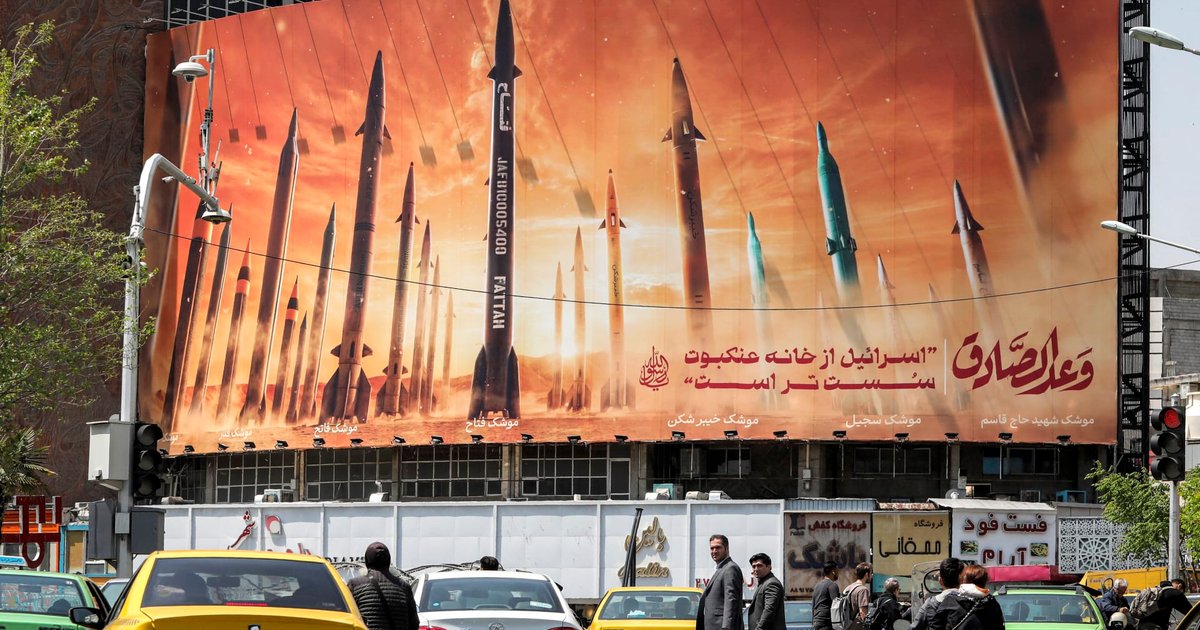
The ongoing war in Iran is reducing global oil flow, negatively impacting the petrochemical industry, which is the primary source for many types of plastics. In a recent episode of the "Odd Lots" podcast, hosts Joe Weisenthal and Tracy Alloway discussed the implications of the petrochemical supply chain disruptions and their effects on the future of plastics and packaging.
Oil is a crucial raw material in the production of petrochemicals, used to manufacture a wide range of plastic products. As the conflict in Iran escalates, concerns are growing that this could lead to a shortage of raw materials, potentially driving up plastic prices and affecting availability in global markets.
Details of the Situation
The war in Iran, which began amid political and economic tensions, has led to a significant reduction in oil production and exports. This situation not only affects oil prices but also extends its impact to the petrochemical industry, which heavily relies on oil as a primary source. Experts have noted that any disruption in oil supplies could result in increased plastic prices, negatively impacting both consumers and businesses alike.
As many countries grapple with the effects of inflation and rising prices, a shortage of raw materials could exacerbate these crises. Additionally, plastic manufacturers may find themselves compelled to raise prices, which will affect consumers who rely on these products in their daily lives.
Context and Background
Historically, Iran has been one of the largest oil producers in the world, playing a pivotal role in the global energy market. However, economic sanctions and ongoing wars have led to the deterioration of this vital sector. In recent years, oil prices have experienced significant fluctuations due to conflicts in the region, impacting the stability of global markets.
The petrochemical industry is a strategic sector that many countries rely on for economic growth. With increasing demand for plastics across various sectors, it is essential to respond swiftly to the challenges facing this industry.
Consequences and Impact
The current situation demonstrates that the war in Iran is not merely a regional crisis but has global repercussions. Rising oil prices could lead to increased production costs in many industries, which will reflect on the prices of goods and services. Furthermore, a shortage of raw materials could result in reduced production, threatening market stability.
There are growing concerns that this situation could exacerbate economic crises in countries that heavily depend on importing plastics and petrochemicals. Under these circumstances, companies may be forced to seek alternatives, potentially leading to radical changes in the market.
Impact on the Arab Region
Arab countries are directly affected by the situation in Iran, as many of these nations are major consumers of oil and petrochemicals. Any rise in prices or supply shortages could impact the economies of these countries, especially those that rely on importing raw materials.
Moreover, regional tensions could lead to increased instability, negatively affecting investments and economic activities. It is crucial for Arab countries to adopt strategies to adapt to these changes to ensure the stability of their markets.