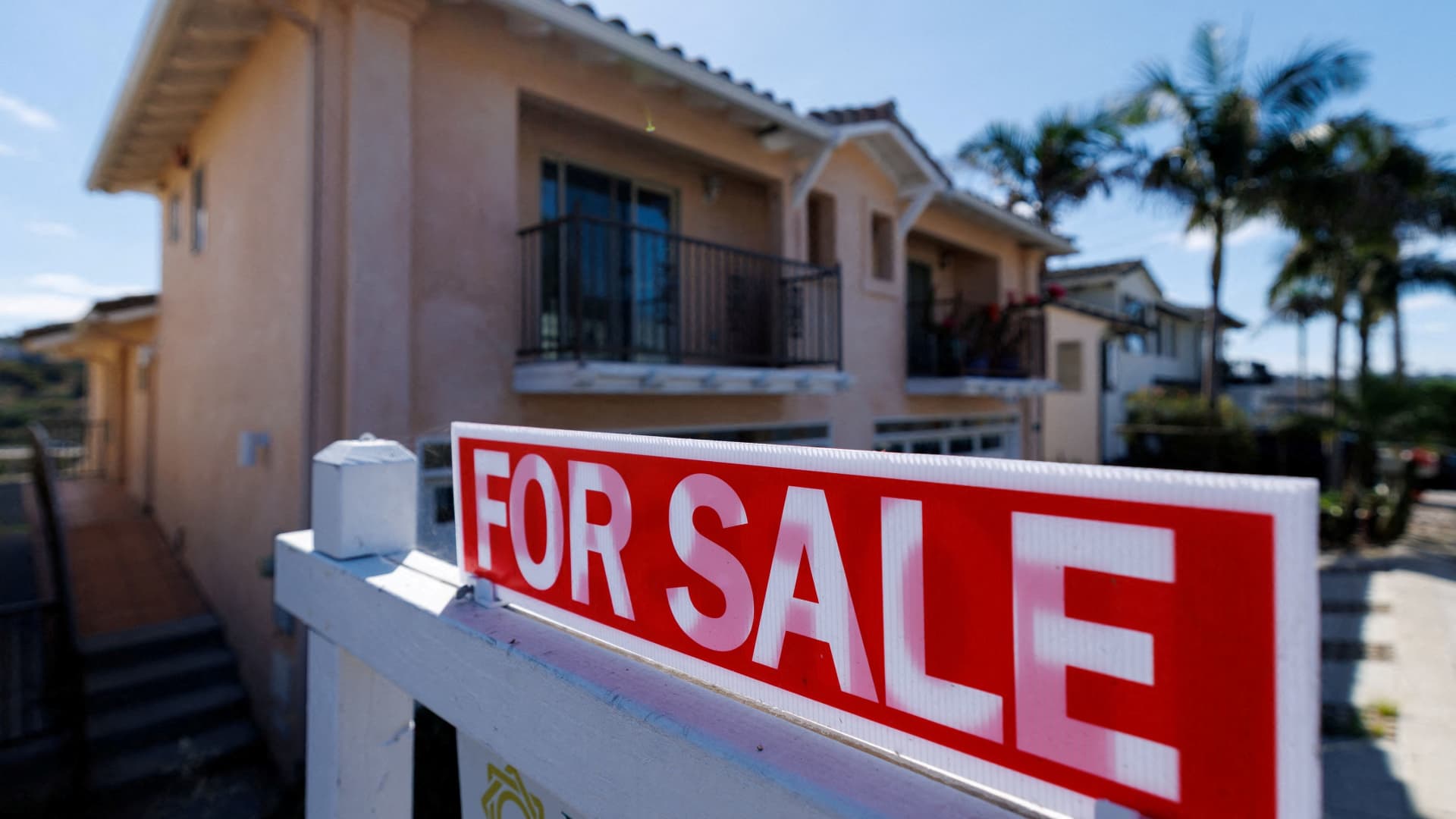
The real estate market in the United States is encountering unprecedented challenges this spring, as the war in Iran has led to a decline in buyer and investor expectations. According to a CNBC survey of the real estate market, buyers in the first quarter of the year have shown greater interest in the economy and interest rates rather than focusing on home prices.
Many real estate agents have reported that buyers are anxious about the ramifications of the war, rising gas prices, and instability in the job market. Faith Harmer, a real estate agent in the Las Vegas area, stated that buyers have become more cautious and feel uncertain about their financial futures.
Survey Findings and Economic Concerns
The CNBC survey, which included 70 real estate agents, revealed that approximately one-third of agents consider the economy to be the biggest concern for buyers, while another third identified interest rates as the primary issue. This marks a significant increase from the previous quarter, where only 26% of agents viewed interest rates as a concern.
Simultaneously, the percentage of agents who consider home prices to be the biggest problem has dropped from 18% to 9%. These changes reflect the impact of global events on the local market, as mortgage interest rates have risen significantly since the onset of the war.
Background & Context
Historically, the real estate market in the United States has been heavily influenced by global economic and political events. The war in Iran, which began at a sensitive time, has caused increased uncertainty among buyers, affecting their purchasing decisions. Previously, mortgage interest rates had reached record lows, but with rising tensions, they have started to climb.
It is noteworthy that the average interest rate on a 30-year mortgage had reached 5.99% before the war began, but it has now risen to around 6.5%. This increase in rates negatively impacts buyers' ability to afford homes, adding further pressure to the market.
Impact & Consequences
As demand declines, homes are remaining on the market for longer periods. Reports indicate that 31% of agents have noted that their listings have been on the market for more than six weeks, compared to 26% in the previous quarter. Some agents have also pointed out that buyers who were on the verge of making purchasing decisions have now backed off, leading to the cancellation of many contracts.
Under these circumstances, sellers are becoming increasingly concerned about the time homes are spending on the market. Approximately 37% of agents indicated that the time on the market is the biggest concern for sellers, reflecting a shift in priorities from price to speed of sale.
Regional Significance
Events in Iran have significant implications for the Arab region, as they can affect oil prices and financial markets. Amidst instability, Arab investors may seek safer investment opportunities, which could impact investment flows into the United States.
In conclusion, these developments in the American real estate market reflect the influence of global events on the local economy. As the war in Iran continues, uncertainty is expected to persist, affecting the decisions of buyers and sellers in the market.