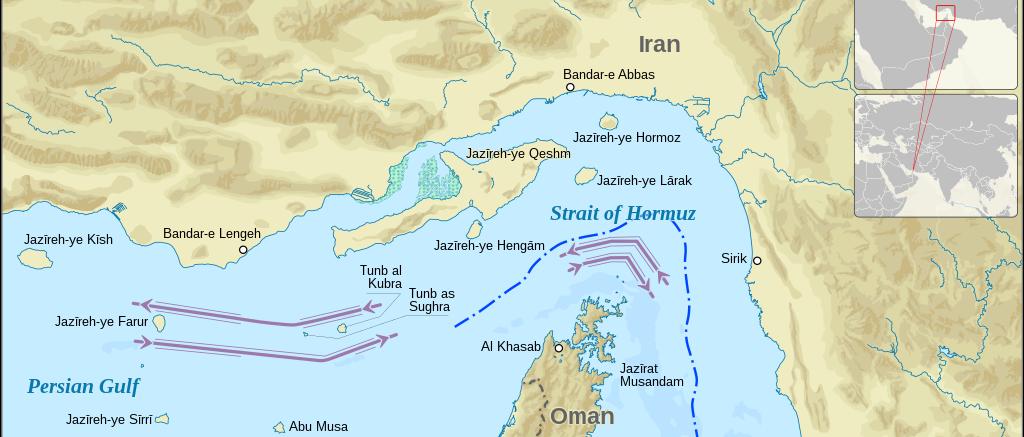
The repercussions of the war in Iran are manifesting unexpectedly in the lives of Britons, as prices for many essential goods, from flowers to gaming consoles, have surged, highlighting the global economic interconnectedness in the age of globalization.
A report published by the British Times highlighted how the Iranian conflict is affecting sectors that no one anticipated, forcing Britons to pay the price for a war their country did not initiate.
Details of the Event
Reporter Anna Dowell, a data journalism intern, noted that the ceramics industry in Britain is suffering from the fallout of the Ukrainian war, with fears of bankruptcy looming over major companies like Dunby. Robert Flello, CEO of UK Ceramics, stated that the new increases in energy prices could be the "straw that breaks the camel's back" for companies in the country.
The cost of shipping containers for ceramic tiles from the Middle East has skyrocketed, rising from $3,500 to $18,000, while factories in India are facing gas shortages, leading to prolonged closures.
Background & Context
The semiconductor crisis is being exacerbated by the war, which was already suffering from increased demand for artificial intelligence centers. Helium production facilities in Qatar have also been affected, forcing factories to rely on their emergency stockpiles.
As a result of these pressures, Sony announced a 19% price increase for the PlayStation 5, which also threatens the launch of upcoming gaming releases.
Impact & Consequences
Fish and chips restaurants are facing a double crisis due to rising fish and energy costs, as fuel prices for fishing vessels have doubled, negatively impacting fishermen's income. Andrew Crook, head of the National Federation of Fish Friers, pointed out that the costs of packaging imported from China have also risen.
In the flower sector, the Kenyan Flower Council reported significant losses of $4.2 million during the first three weeks of the conflict, as Kenyan flower exports have plummeted.
Regional Significance
The repercussions of the war in Iran illustrate how regional conflicts can impact the global economy, reflecting on the lives of individuals in various countries. These crises highlight the extent of interconnectedness among global economies, where the effects are not limited to the warring nations but extend to distant countries as well.
In conclusion, these events emphasize that wars are not fought solely with missiles but also through economic means, making it essential to understand the impacts of conflicts on people's daily lives.