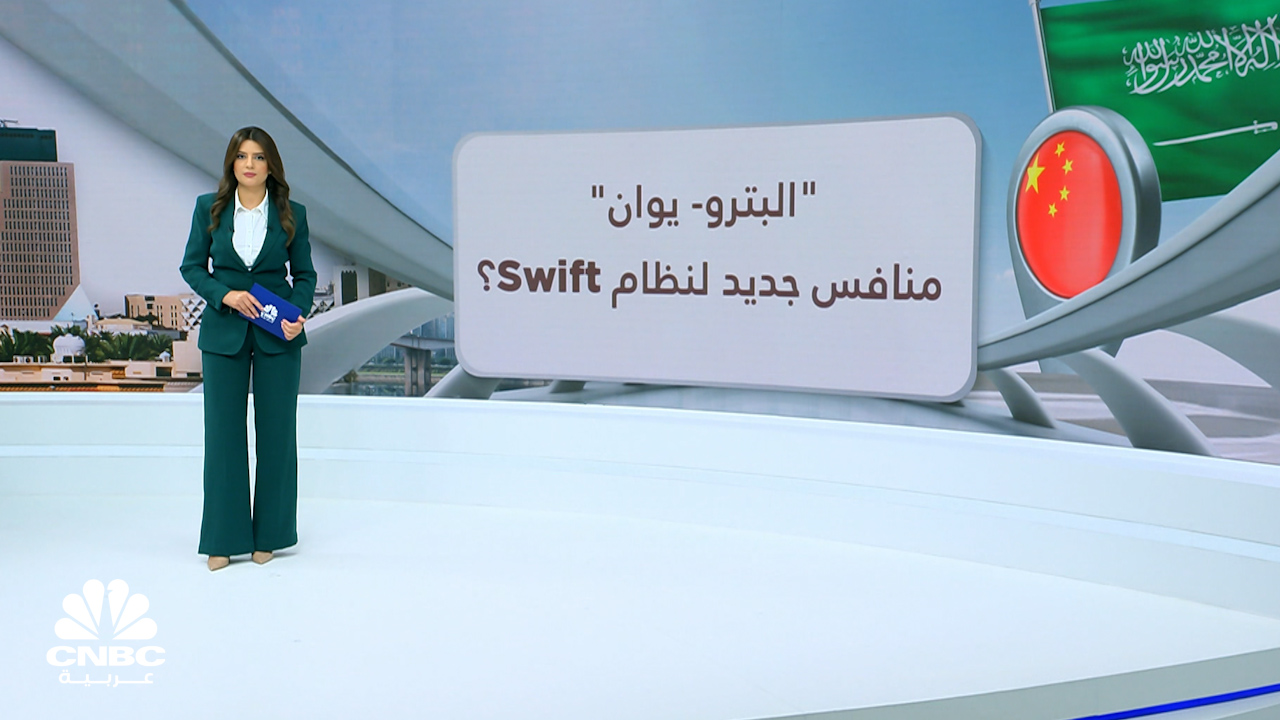
Reports from Deutsche Bank indicate that the ongoing war in Iran is putting the US dollar to a real test, potentially leading to a significant shift in how oil is traded globally. Under these circumstances, there appears to be an increasing likelihood of using the Chinese yuan as an alternative to the dollar in oil trade.
Tensions are rising in the Middle East, raising questions about the stability of the dollar as the main currency in the oil market. Deutsche Bank has pointed out that this conflict could have far-reaching effects on the global financial system, potentially leading to increased reliance on the yuan in trade transactions.
Details of the Event
The war in Iran, which began amid escalating political and military tensions, could lead to a reshaping of the global financial system. The US dollar, which has been the dominant currency in oil trade for decades, may face new challenges from other currencies, particularly the yuan. This potential shift reflects the geopolitical and economic changes occurring worldwide.
It is noteworthy that China is one of the largest oil consumers in the world, making its use of the yuan in oil transactions a logical step. In recent years, China has already started to promote the use of its currency in international trade, reflecting its desire to reduce reliance on the dollar.
Background & Context
For decades, the US dollar has been the dominant currency in oil trade, with most oil transactions priced in dollars. This situation has granted the United States significant leverage in the global economy. However, some countries, particularly those seeking to reduce their dependence on the dollar, have begun exploring alternative options.
In recent years, we have witnessed movements from some countries, such as Russia and Iran, to expand the use of their local currencies or other currencies like the yuan in trade. These dynamics come at a time of increasing geopolitical tensions, adding to instability in the global financial system.
Impact & Consequences
If this shift towards using the Chinese yuan in oil trade materializes, it could have significant implications for the global economy. This may lead to a reduced demand for the dollar, affecting its value and increasing market volatility. Furthermore, it could alter the balance of economic power, with China becoming more influential in the global oil market.
Moreover, this shift could provoke reactions from Western countries, which may seek to bolster the dollar through new policies. This potential conflict could lead to further economic and political tensions among major powers.
Regional Significance
For Arab countries, which heavily rely on oil exports, this shift could have multiple effects. If the yuan begins to be used more widely in oil trade, Arab nations may need to reassess their economic and trade strategies. This could also impact global oil prices, reflecting on the economies of these countries.
At the same time, these new dynamics may open opportunities for Arab countries to strengthen their trade relations with China, potentially leading to new economic partnerships. However, these nations must be cautious of the implications of this shift on their economic and political stability.
In conclusion, the war in Iran is not merely a military conflict but also a potential turning point in the global financial system. With the increasing reliance on the Chinese yuan, we may witness radical changes in how oil is traded, prompting Arab nations to reconsider their future strategies.