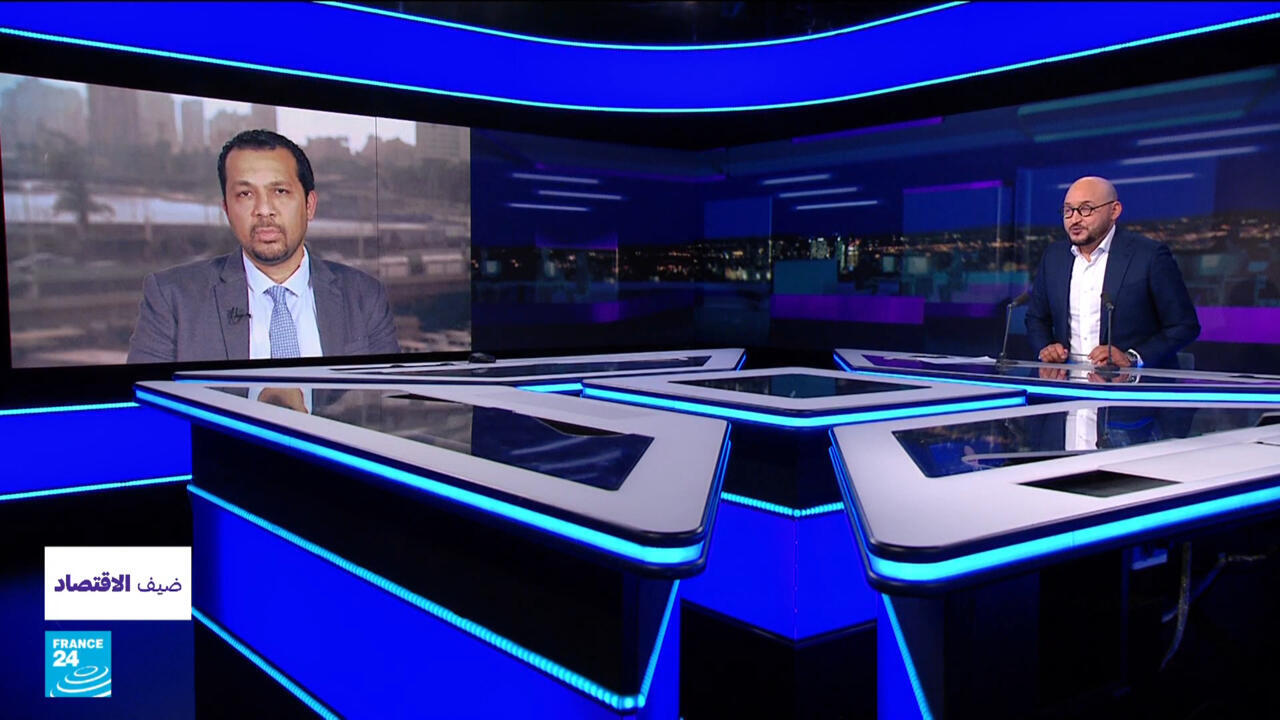
The atmosphere in the Middle East is clouded by economic tensions amid escalating conflict risks. However, experts believe that the current crisis could be more than just temporary challenges. In a special interview with Al Jazeera, the economics program hosts Professor Saber Shaker, an expert in international economics and foreign trade at the Capital University, to analyze the economic dimensions of this acute conflict.
Shaker asserts that the multifaceted aspects of a potential crisis in Iran could have a profound impact on the global trade map. He questions whether we can discuss a transient crisis or if we are witnessing a strategic shift that would alter the balance of economic power. This requires us to think deeply about the alternatives beyond the Strait of Hormuz, a vital artery for oil transport.
Forecasts indicate that if the situation in the Middle East deteriorates, global markets may face significant difficulties in securing energy supplies. The Strait of Hormuz is considered one of the busiest maritime passages in the world, through which 20% of global oil trade flows. Any escalation in this context could lead to unprecedented oil price hikes, impacting the global economy as a whole.
In this context, new options are emerging on the international stage. The shift towards alternative energy sources is a strategic choice that many countries are eager to implement, especially as attention grows on the importance of sustainability. Several countries have started investing more in solar and wind energy, which will create new opportunities and enhance their economic security against crises.
The uncertainty surrounding the near future is concerning, but experts believe these tensions may accelerate the transitions toward alternative energy faster than expected. This transition is not limited to Western countries; it also encompasses nations in the Arab region itself, which are moving towards new policies that align with environmental challenges.
It is clear that regional conflicts do not only affect the economic situation of the nations involved but cast a shadow over all countries engaged in global trade. The impact goes beyond the energy sector to include other areas such as agriculture and industry.
At the same time, Arab countries face acute challenges in securing their energy and oil needs, with a pressing need to diversify their sources. The importance of this transformation in the strategies of Arab states is highlighted by the necessity to reduce reliance on traditional means and move towards creating a renewable energy network capable of withstanding crises.
Overall, the ongoing events in the Middle East represent a potential catastrophe linked to a series of positive and negative economic consequences. Hence, a forward-looking perspective on the future of oil exporters and the global energy market clarifies the urgent need to keep pace with changes to ensure economic stability in a turbulent world.