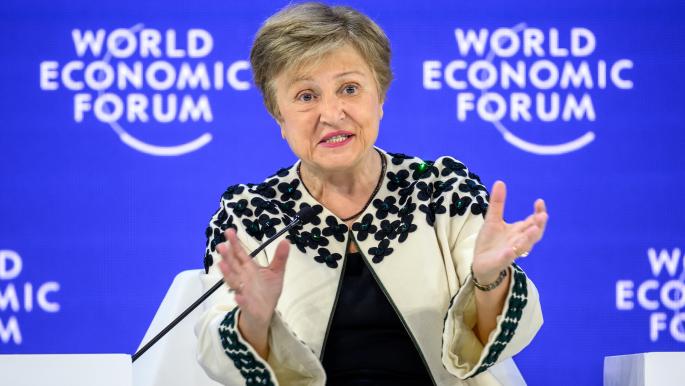
Kristalina Georgieva, Managing Director of the International Monetary Fund (IMF), indicated that the ongoing war in the region will have a profound effect on the global economy, with expectations of rising inflation and a slowdown in growth. Georgieva noted that the decline in global oil supplies will negatively impact markets.
These statements come at a time when the world is facing increasing economic challenges as countries strive to recover from the effects of the COVID-19 pandemic. With escalating conflicts in the region, concerns are mounting that these crises could exacerbate economic conditions.
Details of the Situation
During a press conference, Georgieva emphasized that the current geopolitical situation casts a shadow over global economic growth. She mentioned that rising energy prices due to conflicts could lead to increased living costs, burdening families worldwide.
She also explained that the decline in oil supplies due to regional disruptions could lead to market volatility, increasing inflationary pressures. These factors may hinder countries' abilities to achieve sustainable growth targets.
Background & Context
Historically, the region has been prone to armed conflicts, affecting the stability of global markets. In recent years, the world has witnessed numerous crises that have led to rising prices of essential commodities, including oil.
Oil supplies are a key factor influencing the global economy, as many countries depend on these resources to meet their needs. As conflicts escalate, ensuring the stability of these supplies becomes increasingly difficult.
Impact & Consequences
The current crises are expected to exacerbate inflation, impacting individuals' purchasing power. Governments may need to take urgent measures to mitigate the effects of these crises on their citizens.
Moreover, the slowdown in growth could lead to increased unemployment rates, heightening social and economic pressures. Under these circumstances, enhancing international cooperation will be essential to address these challenges.
Regional Significance
The Arab region is among the most affected by armed conflicts, negatively impacting its economies. With rising tensions, Arab countries may face greater challenges in achieving growth and stability.
Rising prices of essential commodities due to conflicts could worsen economic conditions in Arab nations, necessitating effective strategies to tackle these challenges.
The current crises highlight the urgent need for effective strategies to address global economic challenges. International cooperation is required to confront the impacts of conflicts and achieve economic stability.