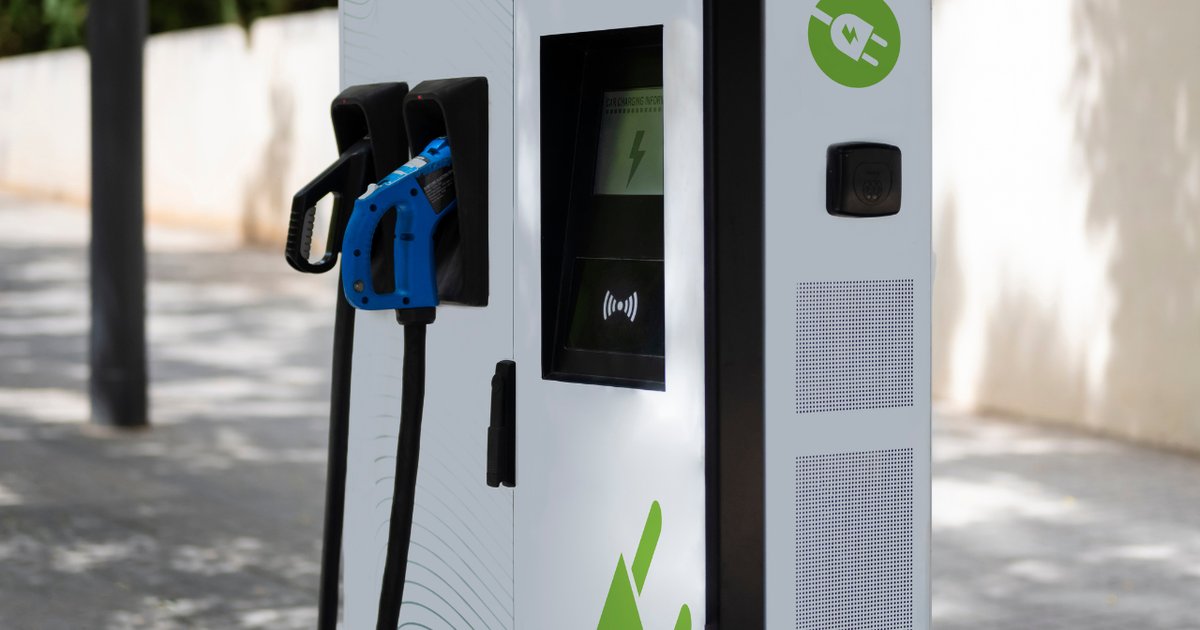
The ongoing war in the region has reshuffled the global automotive market, with electric and hybrid vehicles emerging as the biggest winners. These changes reflect a shift towards fuel efficiency, raising questions about the future of traditional car manufacturing.
Reports indicate that the demand for fuel-efficient vehicles has seen a significant increase, as consumers are leaning towards more sustainable options. This shift is not only limited to consumer preferences but also aligns with global policies calling for a reduction in carbon emissions.
Event Details
Studies suggest that the war in the region has significantly impacted supply chains, leading to shortages of some essential components in the automotive industry. However, companies focusing on the production of electric and hybrid vehicles have managed to adapt better to these conditions. With growing environmental awareness, consumers are increasingly interested in options that reduce their carbon footprint.
Major companies like Tesla and Nissan are among the prominent beneficiaries of this trend, having launched new models that meet the changing market needs. Additionally, governments in many countries have started offering incentives for consumers to purchase electric vehicles, further boosting this trend.
Background & Context
In recent years, the automotive industry has undergone radical transformations due to climate change and economic pressures. The war in the region has added a new layer of complexity, resulting in rising fuel prices and increased concerns about sustainability. These conditions have pushed consumers to seek more efficient options.
Historically, the automotive industry has heavily relied on fossil fuels, but with increasing environmental pressures, the shift towards alternative energy has begun. This transition has not been easy, but it has become essential in light of current challenges.
Impact & Consequences
These changes in the automotive market are expected to have significant effects on the global economy. Companies that do not adapt to this trend may face difficulties in remaining competitive. Moreover, the shift towards electric vehicles could contribute to reducing dependence on oil, impacting traditional energy markets.
Furthermore, this transition may open new avenues for innovation in the automotive industry, potentially leading to the emergence of new technologies and performance improvements. Companies investing in research and development will benefit from these opportunities.
Regional Significance
For the Arab region, the shift towards electric and hybrid vehicles could have positive environmental impacts. Countries that heavily rely on oil may need to reassess their economic strategies in light of this transition. Additionally, investing in electric vehicle infrastructure could create new job opportunities and enhance economic growth.
In conclusion, it can be said that the war in the region has not only reshuffled the automotive market but has also contributed to driving innovation towards more sustainable options. This transition may have far-reaching effects on the industry and the global economy.