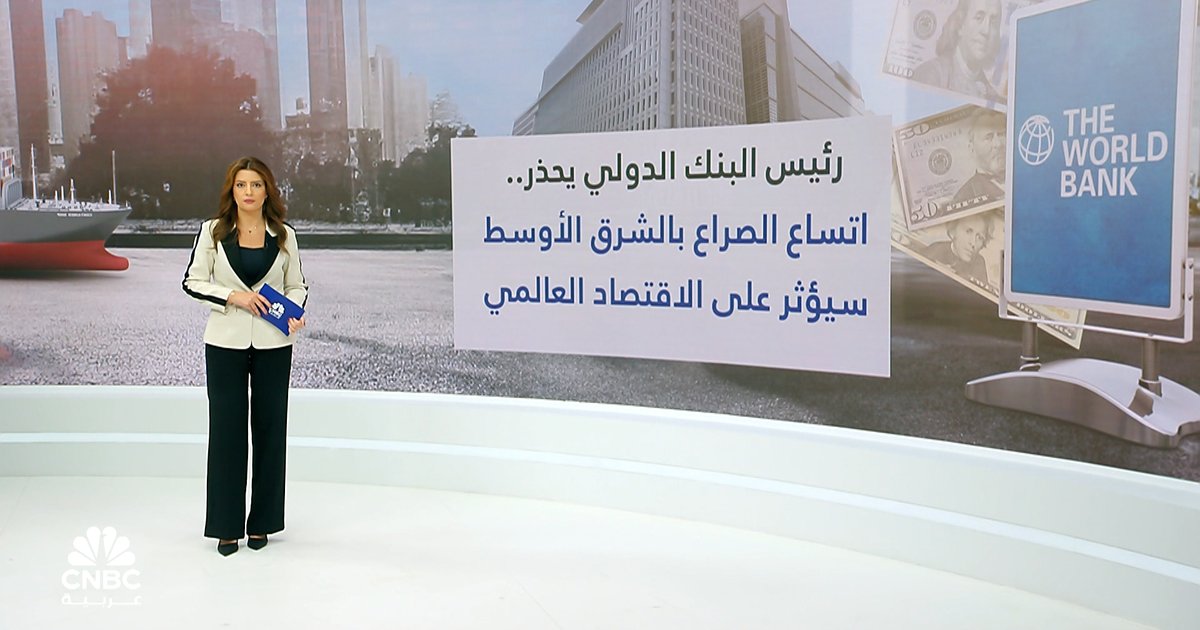
The ongoing war is reshaping the risk landscape in global markets, pushing investors to reevaluate their hedging and asset management strategies. Amid the sharp fluctuations experienced in the markets, investors are facing an increasing level of uncertainty, making smart diversification a necessary option for asset protection.
Reports indicate that many investors have begun searching for new ways to distribute their investments, aiming to reduce risks associated with geopolitical and economic conflicts. This trend reflects the urgent need to adapt to changing conditions, as reliance on traditional strategies is no longer sufficient in the current environment.
Event Details
Global crises are unfolding, from military conflicts to economic crises, placing investors in a difficult position. Financial markets have experienced unprecedented volatility, with stock prices in many sectors declining, prompting investors to seek safe havens.
Moreover, the sharp rise in commodity prices, such as oil and gas, due to conflicts, has increased pressure on the markets. This situation has led many investors to rethink their strategies, as they seek to achieve a balance between risks and returns.
Background & Context
Historically, financial markets have witnessed numerous crises that have impacted investor strategies. For instance, the global financial crisis in 2008 led to radical changes in asset management practices. With the rise of geopolitical crises, it has become essential for investors to be more flexible and prepared to adapt to rapid changes.
In recent years, we have also seen negative impacts on the markets due to pandemics and economic crises. These events have made investors realize the importance of diversification as a means of protecting against potential risks. Today, it seems that the current war is reaffirming this reality, as investors seek smarter and more innovative strategies.
Impact & Consequences
The repercussions of the current war extend beyond its direct impact on financial markets; they also affect the global economy as a whole. With increasing uncertainty, we may witness a decline in foreign investments, which could impact economic growth in many countries.
Additionally, the rise in commodity prices may lead to increased inflation, placing additional pressures on governments and businesses. This situation may prompt some countries to adopt austerity measures, affecting economic growth and increasing uncertainty.
Regional Significance
The Arab region is one of the most affected areas by conflicts and wars, making it susceptible to market fluctuations. Under the current conditions, Arab countries may face significant challenges in attracting investments, as investors seek to reduce risks.
Furthermore, the rise in commodity prices could significantly impact the economies of Arab countries that rely on oil and gas exports. This situation requires Arab governments to take effective steps to enhance economic diversification and achieve stability.
In light of the current conditions, it appears that smart diversification is the optimal choice for investors to protect their assets. As the war continues and uncertainty increases, investors must be more cautious and innovative in their strategies.