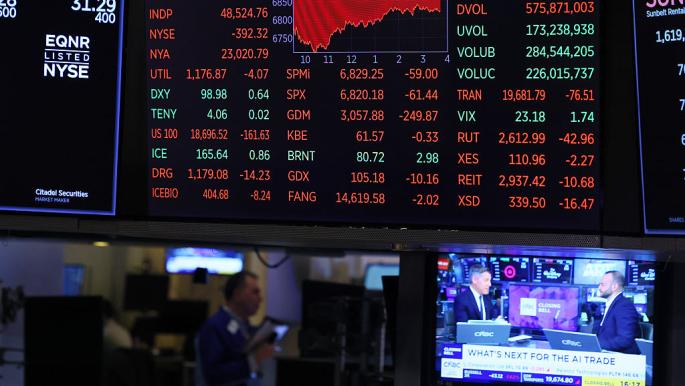
Recent business surveys have revealed alarming indicators regarding the impact of the ongoing war with Iran on the global economy. Reports indicate that the repercussions of this war are hindering economic growth momentum and inflating prices across various sectors.
Concerns are growing that these conditions could exacerbate economic crises in many countries, placing additional pressures on governments and businesses. As the world seeks to recover from the effects of the COVID-19 pandemic, this war adds new challenges.
Details of the Event
Data shows that many companies across various sectors have begun to feel the effects of the war, with investor confidence declining significantly. Reports indicate that surveys have shown a decrease in economic activity in some regions, suggesting that the war could lead to a potential economic recession.
Furthermore, data has shown that the prices of essential commodities, including oil and gas, have seen a notable increase, adding inflationary pressures to the global economy. Experts have pointed out that these price hikes could lead to increased living costs in many countries, negatively impacting households and businesses.
Background & Context
Historically, relations between Iran and many countries have been marked by increasing tensions, particularly amid ongoing regional conflicts. These tensions have led to economic sanctions against Iran, affecting the global economy as a whole.
Iran is considered one of the largest oil producers in the world, and any disruptions in its production or exports directly impact global oil prices. As the conflict escalates, fears are growing that these conditions could worsen economic crises in oil-dependent countries.
Impact & Consequences
Forecasts suggest that the continuation of the war may exacerbate economic crises in many countries, especially those reliant on imports from Iran. Additionally, rising prices could affect consumers' purchasing power and increase inflation rates.
Moreover, these conditions could lead to heightened social and political tensions in the affected countries, which may reflect on internal stability. Experts believe that these crises could lead to changes in the economic policies of the impacted nations.
Regional Significance
The Arab countries neighboring Iran are among the most affected by the repercussions of this war. Many of these countries are suffering from severe economic crises, and any increase in prices or deterioration in economic conditions could exacerbate social and political crises.
Countries that rely on oil as a fundamental part of their economy may face additional challenges, necessitating urgent measures to mitigate the effects of these crises. Under these circumstances, hope remains pinned on diplomatic solutions that may contribute to ending the conflict and achieving stability in the region.