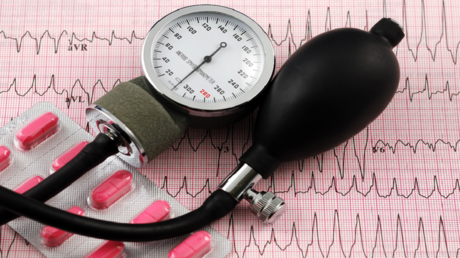
A new study reveals that common blood pressure medications may lead to dangerously low sodium levels in the blood, known as hyponatremia. This health condition, which can result in serious complications, requires special attention from patients taking these medications.
Blood pressure medications are essential for many patients, helping to control blood pressure levels and prevent related complications. However, this study highlights an important aspect of their use: the potential impact on sodium levels in the body.
Details of the Findings
Research has shown that certain blood pressure medications, such as ACE inhibitors and diuretics, may cause a decrease in sodium levels in the blood. Hyponatremia can lead to symptoms ranging from nausea and headaches to more severe conditions such as seizures or even coma in extreme cases.
This condition requires prompt intervention, as it can lead to serious health complications, prompting doctors to review their prescriptions more carefully. Patients taking these medications should be aware of the potential symptoms of hyponatremia and communicate with their doctors if any of these symptoms arise.
Background & Context
Blood pressure medications are among the most widely used drugs globally, with a significant portion of the population suffering from hypertension. According to the World Health Organization, hypertension is one of the leading causes of death worldwide. Therefore, the safe and effective use of these medications is vital for maintaining patient health.
Despite the considerable benefits of these medications, previous studies have shown that there are risks associated with their use, necessitating further research to better understand potential side effects. This new study adds another dimension to the discussion about the safety of blood pressure medications.
Impact & Consequences
The findings of this study may lead to changes in how blood pressure medications are prescribed, as doctors may need to reassess available treatment options for patients. It is crucial for both doctors and patients to be aware of the potential risks associated with these medications.
Moreover, these results could prompt further research into alternative blood pressure treatments that may be less likely to cause hyponatremia. Such research could contribute to improving the quality of life for patients suffering from hypertension.
Regional Significance
In the Arab region, where many individuals suffer from hypertension, these findings may hold particular importance. Many Arab countries experience high rates of cardiovascular diseases, making it essential to enhance treatment strategies.
Efforts should be made to educate patients about the potential risks of blood pressure medications, as well as the importance of regular monitoring of sodium levels in the blood. These efforts could help reduce health risks and improve treatment outcomes.
In conclusion, this study emphasizes the importance of closely monitoring sodium levels in patients taking blood pressure medications. Doctors and patients must work together to ensure the safe and effective use of these drugs.