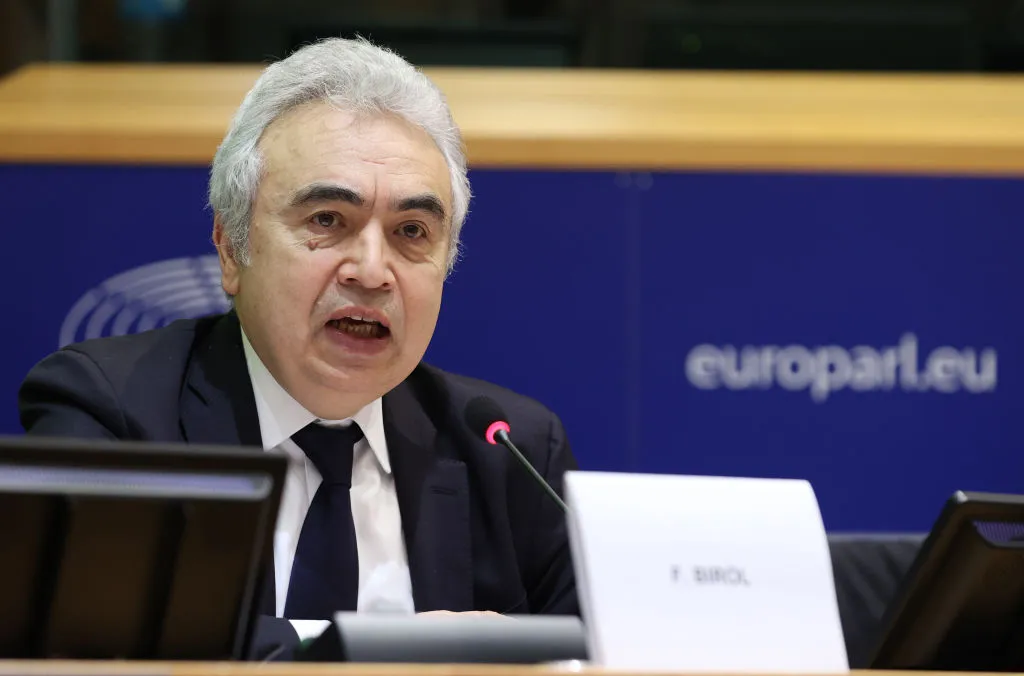
Fatih Birol, the Executive Director of the International Energy Agency (IEA), has warned that countries should not store fuel during the Iranian war, indicating that such actions could exacerbate crises in global energy markets. These statements come at a sensitive time as global markets face increasing pressure on energy supplies, necessitating cooperation among nations rather than individual actions that could worsen the situation.
In his remarks, Birol indirectly referenced China, urging nations to avoid imposing bans on fuel exports, as such measures could worsen supply crises. He emphasized the importance of international cooperation in addressing the challenges facing energy markets.
Event Details
Birol's warnings come at a critical juncture, with rising concerns about the impact of the Iranian conflict on global oil supplies. Oil prices have seen notable increases in recent months, reflecting growing anxiety about supply stability. In this context, Birol urged countries to take proactive steps to ensure market stability rather than implementing measures that could exacerbate the situation.
He also pointed out that any ban on fuel exports could lead to price increases, negatively affecting the global economy. He stressed the necessity for countries to work together to ensure energy market stability and avoid future crises.
Context and Background
Historically, energy markets have faced numerous crises due to political conflicts and wars. The conflict in Iran is no exception, as the country's history with sanctions and wars has significantly impacted global oil supplies. In recent years, Iran has faced severe economic sanctions, affecting its ability to export oil and, consequently, global markets.
Additionally, geopolitical tensions in the region play a crucial role in stabilizing oil prices. As tensions rise, fears of supply disruptions increase, leading to price hikes. Thus, Birol's statements come in the context of an urgent need to ensure market stability and avoid future crises.
Consequences and Impact
Birol's warnings could significantly influence the economic policies of oil-producing and consuming nations. Countries heavily reliant on oil imports may find themselves in a difficult position if prices continue to rise. Likewise, producing nations may need to reassess their strategies to ensure the stability of their supplies.
Furthermore, these statements may impact financial markets, as investors closely monitor developments in energy markets. If prices continue to rise, we may witness significant volatility in global financial markets.
Impact on the Arab Region
For the Arab region, any increase in oil prices could have substantial repercussions. Oil-producing countries in the Gulf rely heavily on oil revenues, and any fluctuations in prices could affect their economies. Importing nations may also find themselves in a challenging situation if prices continue to rise.
Therefore, cooperation between Arab countries and oil-producing nations will be essential to ensure market stability and avoid future crises. Strengthening regional cooperation could also help address the challenges facing energy markets.
In conclusion, the warnings from the International Energy Agency reflect the urgent need for international cooperation in addressing the challenges facing energy markets. Countries must work together to ensure market stability and prevent any future crises that could impact the global economy.