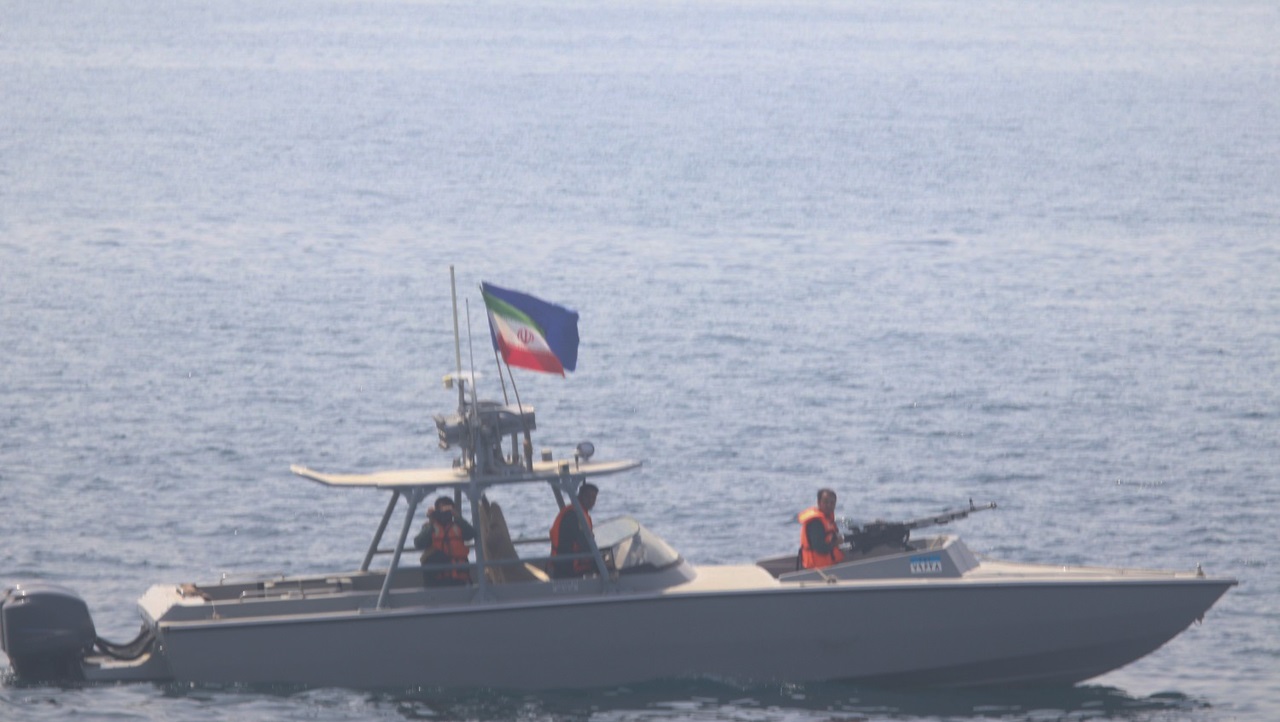
In alarming statements, the Secretary-General of the International Maritime Organization, Arsenio Dominguez, confirmed that military solutions to address tensions in the Strait of Hormuz will not be effective in the long term. He pointed out that forming military forces to protect commercial shipping will not guarantee complete safety, as ships remain vulnerable to attacks from drones or missiles.
These remarks come at a sensitive time, as former U.S. President Donald Trump called on March 14 for countries such as China, France, Japan, South Korea, and the United Kingdom to send warships to the Strait of Hormuz to ensure safe navigation. However, Dominguez emphasized that military solutions are merely a temporary measure, and efforts should focus on de-escalation to end the ongoing conflict.
Event Details
On March 19, Dominguez announced the initiation of talks with Iran and other Gulf states to establish safe corridors for civilian vessels through the Strait of Hormuz. He confirmed that approximately 20,000 sailors remain stranded on ships in the Gulf, complicating the situation further. He also noted that the military escalation between the United States and Iran, which has seen mutual attacks, has effectively imposed a blockade on the strait, a vital artery for exporting oil and natural gas.
It is worth mentioning that recent tensions began to escalate on February 28, when the United States and Israel launched attacks on targets in Iran, resulting in casualties and significant damage. Iran responded by launching attacks on Israeli and U.S. sites in the region, heightening tensions.
Background & Context
The Strait of Hormuz is considered one of the most important maritime passages in the world, through which approximately 20% of total global oil exports pass. Historically, the strait has witnessed numerous crises and political tensions, particularly between Iran and the United States. This has led to multiple military interventions by major powers, complicating the security situation in the region.
In recent years, tensions have intensified due to Iranian military activities in the Gulf, prompting Western nations to bolster their military presence in the area. However, military solutions have not led to lasting stability; instead, they have increased risks to commercial navigation.
Impact & Consequences
Analyses indicate that the continuation of tensions in the Strait of Hormuz could lead to an increase in global oil prices, affecting the global economy. As risks rise, companies may reduce their shipments through the strait, causing supply shortages and leading to price hikes.
The psychological impact on the market could also be significant, as any military escalation could create panic among investors, increasing price volatility. Therefore, quick and effective solutions are essential to avoid worsening conditions.
Regional Significance
For Arab countries, tensions in the Strait of Hormuz represent a direct threat to their economic interests. Many of these nations rely on oil and gas exports, and any disruption in navigation could negatively impact their revenues. Additionally, military escalation could lead to an influx of refugees and increased internal tensions in some countries.
In conclusion, it is clear that military solutions are not the optimal path to resolving crises in the Strait of Hormuz. Instead, genuine and effective diplomatic efforts are required to end the conflict and ensure safe navigation, which necessitates broad international cooperation.