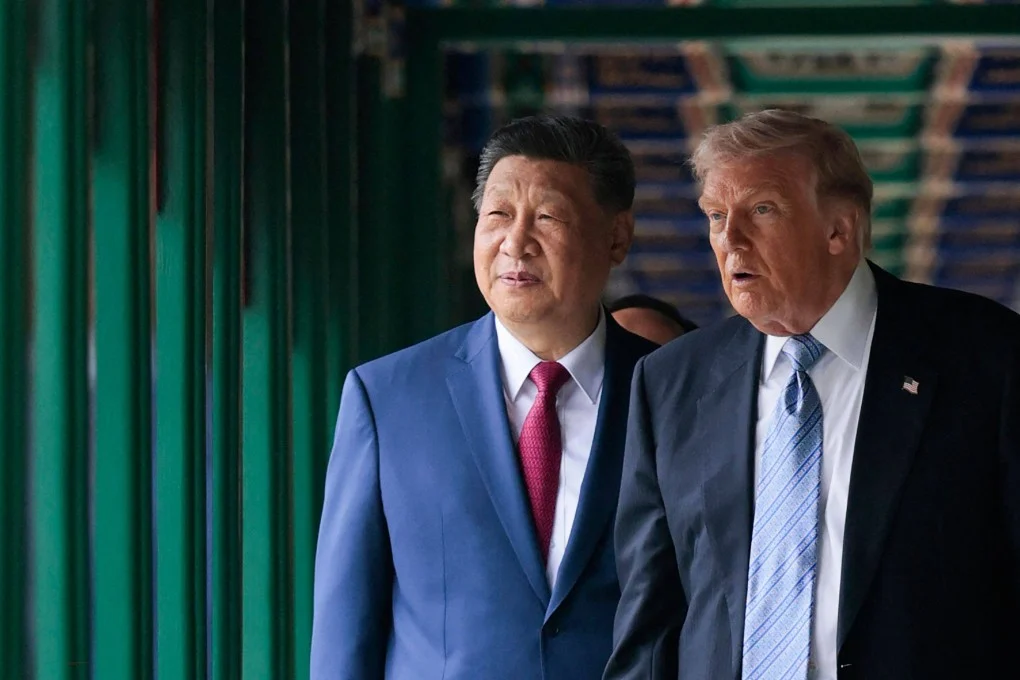
Despite the positive indicators that have recently emerged regarding the stability of relations between China and the United States, veteran observer Li Qing warned against hastily signing a new joint statement between the two superpowers. He emphasized that this signing would not add real value, as Washington has not adhered to previous commitments it made.
These remarks came in the wake of the recent summit between Chinese President Xi Jinping and his American counterpart Donald Trump, which Li described as witnessing a "dramatic change" in relations between the two countries. He pointed out that this summit could be a turning point, but it does not necessarily mean that things will improve permanently.
Details of the Event
In his comments to the Chinese website Guancha, Li noted that signing a new joint statement could merely be a formal procedure, especially since the United States has not adhered to previous commitments agreed upon in earlier summits. He considered this a reflection of Washington's lack of seriousness in addressing the core issues affecting bilateral relations.
He also added that there is an urgent need for a genuine assessment of the relationship between the two countries, rather than relying on joint statements that may not reflect reality. He affirmed that the challenges facing US-China relations require deeper and more effective strategies.
Background & Context
Historically, relations between China and the United States have experienced significant fluctuations, with periods of cooperation and others of tension. Since the beginning of the 21st century, China has been enhancing its economic and military power, raising concerns in Washington. This has led to escalating trade and political tensions between the two nations.
In recent years, issues such as trade, human rights, and technology have become major points of contention. Successive US administrations have attempted to reach agreements aimed at bridging the gaps, but the outcomes have often been unsatisfactory for both parties.
Impact & Consequences
If the United States continues to fail in honoring its commitments, this could exacerbate tensions between the two powers. This may impact the global economy, as both countries constitute a significant portion of global trade. Additionally, any escalation in relations could affect stability in other regions of the world, such as East Asia and the Middle East.
Moreover, instability in US-China relations could reflect on financial markets, leading to fluctuations that may affect global investments.
Regional Significance
For Arab countries, the relationship between China and the United States has multiple implications. China is considered an important trading partner for many Arab nations, while the United States plays a key role in regional politics. Any tension in relations between the two powers could impact investments and development projects in the region.
Arab nations may also need to reassess their economic and diplomatic strategies in light of these developments to ensure that their interests are safeguarded amid global changes.